
Chinch bugs vs drought damage in a Florida lawn: what differs?
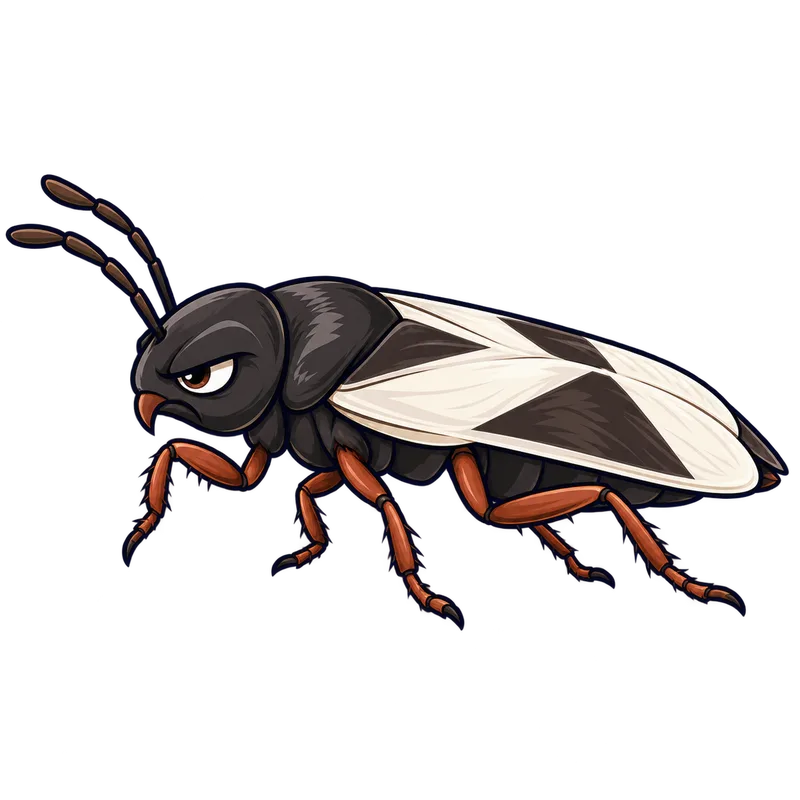
Drought damage differs from southern chinch bug damage because drought stress lacks water that normal irrigation fixes within twenty-four to forty-four hours. Southern chinch bugs inject a toxin that permanently blocks water transport, leaving the grass looking matted and brown even when the soil is soaking wet.
What is actually going on
You step out onto the back patio on a blistering July afternoon, coffee cup in hand, and notice a dull, yellowing patch of St. Augustinegrass right next to the scorching concrete driveway. Your first thought is that the sprinkler head missed a spot during the last cycle, or maybe the summer heat is finally getting the upper hand. You drag the hose over, soak the area thoroughly, and wait for the turf to perk back up. But twenty-four hours later, that patch has not bounced back. Instead, it looks matted and melted, staring back at you like a patch of dead straw.
The confusion between drought stress and southern chinch bug damage trips up plenty of homeowners every single summer. Both conditions present as yellowing and browning patches in sunny lawn areas during hot weather, but what happens beneath the soil surface is entirely different. When drought stress strikes, the plant simply lacks water. Its vascular system remains intact, meaning once you apply deep irrigation or a good soaking rain hits, normal cellular pressure is restored and the grass greens back up within twenty-four to forty-four hours.
Southern chinch bugs play a much dirtier game. These heat-seeking sunbathers pierce the grass stems with slender mouthparts and inject a specialized salivary toxin as they feed. That toxin clogs the plant's internal plumbing, permanently blocking water and nutrient transport. Think of it like a clogged drinking straw or a kinked garden hose. Even if the soil is soaking wet and the spigot is wide open, the grass blades above ground are essentially starving and dying of thirst because the internal transport system is ruined. That is why watering a chinch-bug-damaged lawn accomplishes nothing for the dead blades, and why the affected turf collapses into a matted, permanent brown mess.
How to tell for sure
Telling these two lawn troubles apart takes a little bit of detective work, and you usually have to look away from the center of the damage. Chinch bugs are sun-bathers that continually vacate dead, dried-out centers to cluster on the outer, living green margins of an expanding spot. If you inspect the dead brown middle of the patch, you will likely find nothing because the culprits have already moved outward for fresher sap.
Part the grass stems right along the border where the healthy green meets the yellowing edge. Look closely for tiny insects running through the thatch. Newly hatched nymphs are bright yellow to reddish-pink with a distinct white band across the back, while the adults grow to about one-fifth of an inch long with grayish-black bodies and white wings folded flat over their backs.
To confirm your suspicions, try a simple flotation test. Take an open metal cylinder, such as a large coffee can with both ends removed, and drive it two to three inches deep into the soil right at the interface of the dead and live grass. Fill the cylinder with water and keep it topped up for five to ten minutes. If active nymphs and adults are present, they will float to the top like tiny life rafts. When sampling reveals fifteen to twenty-five bugs per square foot, you usually have your culprit. Keep in mind that southern chinch bugs are obligate sunshine lovers and rarely attack grass growing in dense shade, so shady yellow spots are usually caused by fungal diseases or lack of sunlight rather than bugs.
What usually comes next
Once you confirm that chinch bugs are driving the damage rather than a simple lack of rain, you have to make a practical decision about turf management and control. If you reach for a pesticide, the product label is the law and dictates how you proceed. Always check the label instructions regarding pre- and post-application irrigation, keeping in mind that you should never apply insecticides to bone-dry, drought-stressed plants because that causes severe chemical burn to the foliage.
You also have to reckon with the reality of chemical resistance. In many southern landscapes, chinch bug populations have developed resistance to synthetic pyrethroids like bifenthrin. If a standard pyrethroid spray fails to knock down the population, repeating the same product is a waste of time and money. Pest management usually requires rotating to alternative chemical classes to break the resistance cycle.
Cultural changes help keep future outbreaks from spiraling out of control. Thatch management plays a massive role here, because a thatch layer thicker than half an inch provides an ideal breeding ground for these pests. Core aeration or mechanical dethatching in the spring or early fall helps keep thatch under control. You should also avoid heavy applications of quick-release nitrogen fertilizer in the spring, which forces the grass to push soft, lush growth that acts like an open invitation for hungry chinch bugs.
When to get help
There are moments when a do-it-yourself approach hits a brick wall and you need to hand the reins over to a professional. If turf damage exceeds thirty percent of your total lawn, or if you suspect you are dealing with a heavily resistant insect population that shrugs off standard over-the-counter treatments, call in a licensed pest control operator who has access to commercial equipment and specialized active ingredients.
Keep safety and environmental boundaries in mind before spraying anything across your yard. Pyrethroids are highly toxic to aquatic life, so never apply them near ponds, streams, or storm drains, and remember that pyrethrins pose severe poisoning risks to cats. Neonicotinoids also carry strict warnings regarding pollinators, meaning you should never apply them when flowering weeds are present or bees are actively foraging.
If you or anyone in your household experiences skin lesions, unusual rashes, or allergic reactions, consult a medical clinician immediately. Chinch bugs do not bite humans or transmit human pathogens, so any skin irritation points to other environmental causes or medical issues. Finally, if you notice wild animals such as skunks, raccoons, or armadillos digging up your turf, they are hunting for soil insects like grubs or mole crickets. Many of these digging vertebrates are protected by state and federal wildlife laws, so you must contact the responsible state wildlife agency rather than attempting to trap or handle them yourself.