
Why are stink bugs clustering on a sunny exterior wall?
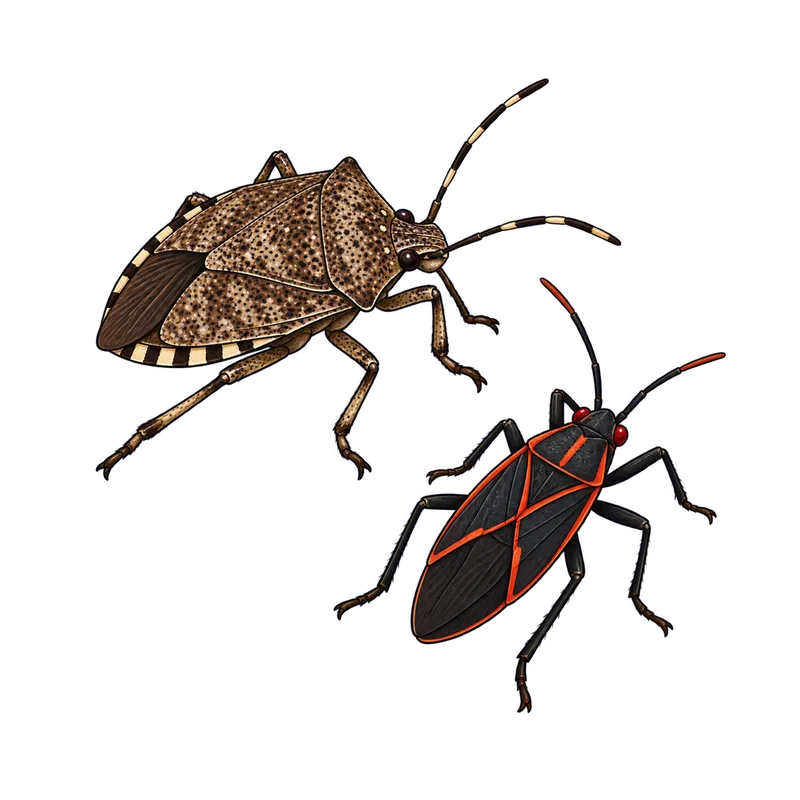
Adult stink bugs cluster on sunny exterior walls during autumn because cooling seasonal temperatures trigger an urge to find a safe place to sleep through the winter. They are drawn to sun-heated masonry and siding that acts like a thermal sponge, radiating solar warmth before they slip into structural cracks.
What is actually going on
You walk out to your driveway on a crisp September afternoon, lean your hand against the brick siding, and realize the wall feels surprisingly warm to the touch. Then you notice the army of five-sided bugs lounging lazily in the sunlight. It feels personal, as if they are staging a quiet takeover of your house. In reality, they are just trying to survive. Adult stink bugs cluster on sunny exterior walls during autumn because cooling seasonal temperatures trigger an urge to find a safe place to sleep through the winter. They are drawn to sun-heated masonry and siding that acts like a thermal sponge, radiating solar warmth before they slip into structural cracks.
As the days shorten and the air loses its summer bite, these insects enter a resting phase where they stop eating and reproducing, focusing entirely on finding a frost-free hotel for the cold months. Vertical exterior structures, especially south-facing and west-facing walls, soak up direct sunlight all afternoon. This creates a cozy microclimate that sits a few degrees warmer than the surrounding air. The bugs seek out these sun-baked surfaces to elevate their body temperatures. Once they gather on the siding, brick, or window frames, they start scouting for entry points. They use gaps around utility lines, loose soffits, and window sashes as pathways into attic voids or wall cavities.
People often worry that these bugs are chewing through the siding or setting up a nursery inside the house. That is not what is happening. Stink bugs do not eat wood, drywall, or insulation, and they do not lay eggs indoors. They are plant pests pure and simple, and once they get inside, they go dormant. The warm sun simply tricks them into thinking they have found the ideal spot to wait out winter, using your exterior wall as a giant heating pad.
How to tell for sure
When you look closely at the cluster on your wall, you are usually dealing with the brown marmorated stink bug if the insect measures about five-eighths of an inch long and displays a distinct, five-sided shield shape with a mottled brown or grayish, marbled pattern. Native species like the green stink bug or the brown stink bug show up in similar ways, sporting the same characteristic shield silhouette.
You might also spot lookalikes sharing the same sunny real estate. Boxelder bugs, which are black with striking red lines, often gather on walls alongside them. Asian lady beetles might join the crowd later in the season. If you turn one of the bugs over or disturb it, you will usually notice the giveaway odor that gives them their name, a pungent, musty scent released from defensive glands. Stink bugs do not bite or sting humans, as their mouthparts are strictly engineered for sipping plant sap, but that chemical defense mechanism is their primary way of saying leave me alone.
What usually comes next
The practical choice you face is deciding whether to focus on keeping them out or simply managing the ones that sneak past your defenses. If you want to stop them before they become an indoor nuisance, the window for action happens before September turns into October. Mechanical exclusion is your best defense. Walk the exterior of your house and caulk gaps around window frames, repair torn screens, and install fresh door sweeps. Once September arrives, sealing these entry points usually cuts down significantly on the number of bugs finding their way indoors.
If you already find a few stray bugs crawling across your living room ceiling in November or December, do not panic and do not reach for an indoor insecticide spray. Aerosol sprays inside the living space are messy and largely unnecessary. Instead, grab a broom and dustpan or a vacuum cleaner. If you use a vacuum, keep in mind that the disturbance will trigger their scent glands, turning the vacuum bag or canister into a dispenser for that lingering musty odor. Emptying or discarding the bag immediately outdoors usually solves that problem.
When to get help
Most of the time, dealing with overwintering stink bugs is a manageable weekend project involving a tube of caulk and a vacuum cleaner. However, certain situations call for stepping back and letting professionals handle the workload. If you live in a multi-story home where sealing gaps at high elevations requires specialized ladders and safety gear, a licensed pest management professional has the equipment to do the job safely.
You should also consult a professional if the aggregation is so severe that it requires exterior perimeter treatments using specialized formulations. When chemical applications are necessary around a home, a licensed applicator ensures the products are applied correctly and legally. This matters because local regulations strictly prohibit spraying pesticides along concrete or asphalt surfaces where storm runoff can wash chemicals into waterways, and treatments are never allowed when pollinators are actively foraging on nearby plants.