
How do you check a lawn for chinch bugs?
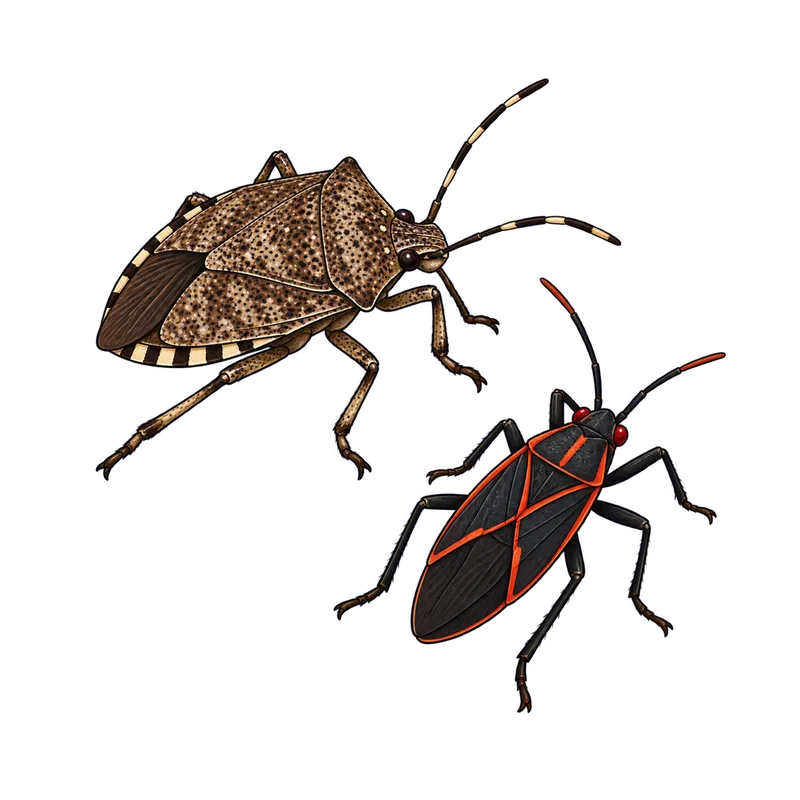
To check a lawn for chinch bugs, crouch at the outer edge where brown damaged grass meets healthy green turf and part the stems with your fingers. You can also use a flotation test by driving an open metal cylinder two inches into the soil, filling it with water, and watching for the insects to float to the top.
What is actually going on
Picture walking out to your front yard on a hot Tuesday in July, holding your morning coffee, only to notice that the sunniest corner of the grass near the driveway looks like someone dragged a giant hair dryer across it. The turf has flattened out, turned a sickly straw color, and refuses to perk up even after a thorough soaking. Your first thought is probably that the sprinkler missed a spot, or that the summer heat finally broke your lawn. But if you walk over to that ruined patch and pull back the stems, you might be dealing with a full-blown infestation of chinch bugs. These tiny, sap-sucking pests gather in the thatch layer and feed by driving their slender mouthparts straight into the plant stems, injecting a salivary toxin that clogs the grass vascular system and permanently shuts off water and nutrients.
People often assume that checking a lawn for pests means tearing up the dead brown grass and hunting through the ruin, but that is actually the biggest mistake you can make. By the time the grass turns that straw color and collapses, the bugs have already packed up and moved on to greener pastures. Think of it like a spreading wildfire where you do not look for active flames in the cold gray ash at the center of the burn. Instead, you look right at the outer edge where unburned green grass meets the damage. That active perimeter is where the insects congregate, and it is the only place you will find them if you want an accurate count of what is happening.
Checking the lawn properly takes a little bit of patience and a couple of straightforward methods. You are essentially looking for tiny insects that measure roughly the size of a grain of rice, usually hanging out right where the soil meets the stems. Because these pests love heat, full sun, and thick thatch layers, you will rarely find them hiding out in shady areas under a big oak tree. They prefer the blistering edges of sidewalks, curbs, and south-facing slopes where the soil bakes all afternoon. If your grass is failing in the shade, you can safely rule them out and look into fungal diseases or lack of light.
How to tell for sure
To get eyes on the culprits, you usually have two reliable ways to scout your turf. The first is a visual crown inspection. Crouch down right at the margin where the brown, damaged turf bleeds into healthy green grass. On a warm day, use your fingers to part the grass stems all the way down to the soil surface. You are looking for two distinct stages here. The adults are usually about one-sixth to one-fifth of an inch long, featuring grayish-black bodies with distinct white wings folded flat over their backs, marked by tiny dark triangular patches on the sides. If you spot immature nymphs instead, they will be much smaller, running from one-twentieth to one-fifth of an inch long, with bright yellow or reddish bodies crossed by a prominent white band across the abdomen. You might need a hand lens to see the youngest ones clearly, but once you spot a few moving around, you will see them everywhere along that border.
If parting the grass feels a bit too abstract, you can use the flotation test, which is basically building a miniature swimming pool right in your yard. Take a large metal coffee can or a similar cylinder with both the top and bottom removed. Drive one end of that cylinder two to three inches deep into the soil at the active outer margin between the dead and green grass. Pour water inside until you have maintained a water column roughly one inch deep above the soil surface. Keep an eye on it for five to ten minutes, adding a little extra water if the ground drains too quickly. As the water saturates the thatch, any chinch bugs hiding down in the crown will become dislodged and float right to the top like tea leaves in a cup.
You usually want to run this test in three or four spots along the damaged perimeter to get a fair average. If your counts reveal roughly fifteen to twenty immature bugs per square foot in cool-season areas, or twenty to twenty-five bugs per square foot in warm-season turf, your scouting trip has confirmed that these pests are driving the damage.
What usually comes next
Once you have confirmed that chinch bugs are running the show in your yard, you have to decide whether their numbers have crossed the line from a minor headache into a crisis that calls for action. If your counts come in below those extension thresholds, or if the grass is just suffering from standard drought stress that will bounce back after a good soak, your best move is to skip the heavy chemistry and change your watering habits instead. If the counts are high and the turf is actively collapsing, you are looking at a real management decision.
Before you touch any chemical treatments, you need to check your watering schedule. Never apply any bug control product to bone-dry turf unless you want to cook the remaining roots and wreck the grass completely. Always irrigate your lawn thoroughly several hours to a full day before you plan to treat it. This pre-treatment watering does double duty. It hydrates the grass plants so they can handle the treatment safely, and it naturally draws the bugs upward into the upper canopy where they are much easier to reach.
You also need to take a hard look at your mowing height and fertilizer habits. Keeping your grass cut a bit higher gives the soil more shade and helps the turf hold onto moisture, while dumping heavy amounts of nitrogen fertilizer on the lawn in the spring triggers a flush of tender, juicy growth that chinch bugs treat like an open buffet. If your thatch layer is thicker than half an inch, you are basically offering these insects a cozy hotel and a safe hiding spot. A good dethatching session in the spring or early fall can wreck their habitat entirely without needing a trip to the hardware store for a spray bottle.
When to get help
There are moments when scouting your own lawn and handling the follow-up steps safely crosses into territory that requires outside expertise, a clinician, or a local agency. If your turf issues cover a huge commercial property, a sprawling multi-acre landscape, or a public athletic field, trying to scout and manage the area by yourself quickly becomes impossible. In those cases, bringing in a licensed commercial pest control operator makes the most sense. They bring specialized high-pressure spray equipment and the training required to cover large expanses evenly.
You should also look for professional help if you suspect insecticide resistance. In certain regions, heavy reliance on standard synthetic pyrethroids has led to populations that shrug off those treatments entirely. If you have applied the usual over-the-counter options according to the label and watched the chinch bug population keep right on expanding, a professional can introduce alternative chemical classes with different modes of action to break the cycle.
On the safety front, remember that the chemical products used to control heavy turf pests can be harsh. Many common active ingredients are exceptionally toxic to fish and aquatic life. State and federal regulations strictly prohibit applying these materials when heavy rain is in the forecast, and you must never let liquid or granular products wash onto impervious concrete surfaces like driveways or sidewalks where storm runoff can carry them straight into local waterways or storm drains. If you are handling any pesticide yourself, always wear long sleeves, long pants, chemical-resistant gloves, and eye protection, and keep children and pets completely off the lawn until every trace of spray has dried. If accidental skin exposure causes irritation, or if anyone experiences a bad reaction, consult a medical clinician, an urgent care facility, or your regional poison control center immediately.