
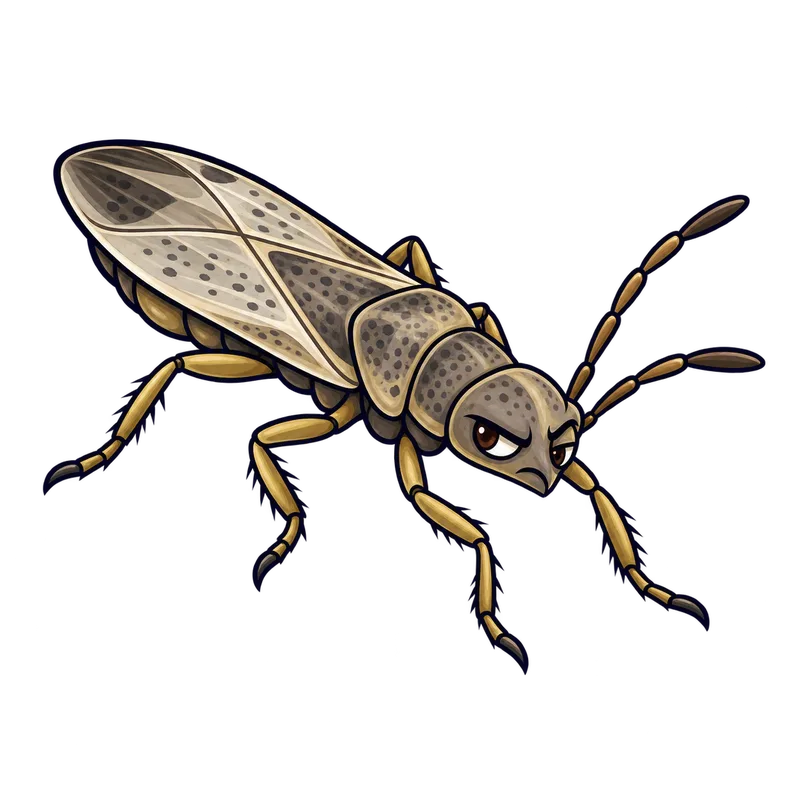
False chinch bug
Nysius raphanus
- Size
- 1/8 to 1/6 inch long
- Color
- Grayish-brown to dark gray-brown
- Habitat
- Open fields, weeds, gardens, and building exteriors
- Diet
- Plant sap from mustards, seedlings, and crops
- Life cycle
- Multiple generations per year with spring migrations
The false chinch bug is a slender, grayish-brown insect measuring between 1/8 to 1/6 inch long. You will rarely notice just one, because they tend to show up in driveway-covering numbers during late spring, usually after a wet winter forces a population explosion in local weeds.
Identity
To tell them apart from lookalikes, you need to look at what is happening on their backs. Adults have a broad head with bulging eyes and a distinct black triangle sitting right behind the middle body segment. Their wings fold flat over the abdomen, featuring clear, transparent tips that completely lack the dark, contrasting wing-margin patches found on true chinch bugs.
Nymphs look entirely different. They are wingless, oval, and mottled grayish-brown with reddish or orange flecks on the abdomen. From a distance, a dense cluster of these immatures looks remarkably like a pile of scattered coffee grounds.
Inspecting that black triangle or checking the wing membrane for solid dark markings requires a ten-power hand lens. Yet, you rarely need magnification once you understand their behavior and context. If you mistake them for ticks, remember that ticks are arachnids with eight legs and no antennae, while these bugs are true insects with six legs and prominent antennae. If you confuse them with beneficial bigeyed bugs, remember that bigeyed bugs have massive, protruding eyes and never march across your patio in moving carpets.
Habitat & behaviour
These bugs spend the winter hiding beneath plant litter, inside soil cracks, or feeding low on winter annual weeds as nymphs and adults. When spring arrives with rain, they multiply rapidly in uncultivated fields and vacant lots, finding their primary breeding paradise in weedy mustards like London rocket and shepherd's purse.
The real drama begins in late spring or early summer. As those wild weeds mature, dry out, and die in the heat, the bugs lose their food source. This triggers a mass migration. Millions of nymphs and adults march across bare ground, spilling into residential gardens, creeping up exterior home walls, and invading irrigated crops.
These migrations do not last forever. The mass movement typically peaks for about a week, with the bugs concentrating their travel during the cooler hours of the early morning and late evening. They are drawn to shade and moisture, which explains why they end up piled against house foundations or crawling into doorway tracks.
Visual variations
Adults are fully winged, capable flyers, and measure less than 1/4 inch long with a slender, grayish-brown frame. There is no notable physical difference between males and females, and they do not live in colonies with specialized worker castes.
Nymphs go through several molting stages, growing gradually larger while remaining entirely wingless. Their body transitions from a pale, mottled gray-brown into darker tones, accented by those rust-colored abdominal markings. They never display the bright red color or the distinct white transverse band across the middle that gives away true chinch bug nymphs.
When adults rest, their forewings overlap to form a vague X-shape, but the clear membrane at the wing tips keeps them visually distinct from pests that feature heavy, dark bands. Whether you are looking at a nymph resembling coffee grounds or a winged adult resting on stucco, the color palette remains stubbornly drab and earthy.
Why it matters
Inside your living space, these bugs mean nothing for your health or your home's structure. They do not bite people or pets, they do not suck blood, and they carry no diseases. They cannot reproduce indoors, meaning any strays that crawl beneath a sliding glass door will simply die out on their own within days. Crushing them underfoot does release a pungent, foul odor reminiscent of a stinkbug, which is why sweeping or vacuuming them up is preferable to stepping on them.
Outside in the garden, the story changes depending on what you are growing. Established perennials and well-irrigated lawns usually tolerate low-to-moderate feeding without lasting harm. Tender vegetable seedlings, however, can suffer severely during migration waves because their small root systems cannot keep up with thousands of bugs piercing their stems for sap. In agricultural regions, massive swarms can occasionally overwhelm young orchards, causing rapid wilting and leaf scorching.
Precise identification matters mainly to keep you from overreacting. Because false chinch bugs are not lawn-destroying true chinch bugs, you do not need to panic and apply heavy chemical treatments to your turf. Simple physical barriers like row covers for seedlings, indoor vacuuming, and knocking outdoor swarms away from foundation walls with a garden hose handle the invasion safely.
Similar species
 Brown marmorated stink bugHalyomorpha halys
 Boxelder bugBoisea trivittata
 Western conifer seed bugLeptoglossus occidentalis
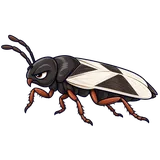 Southern chinch bugBlissus insularis
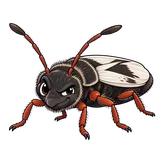 Hairy chinch bugBlissus leucopterus hirtus
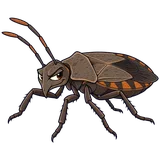 Squash bugAnasa tristis