
What are false chinch bugs in Arizona?
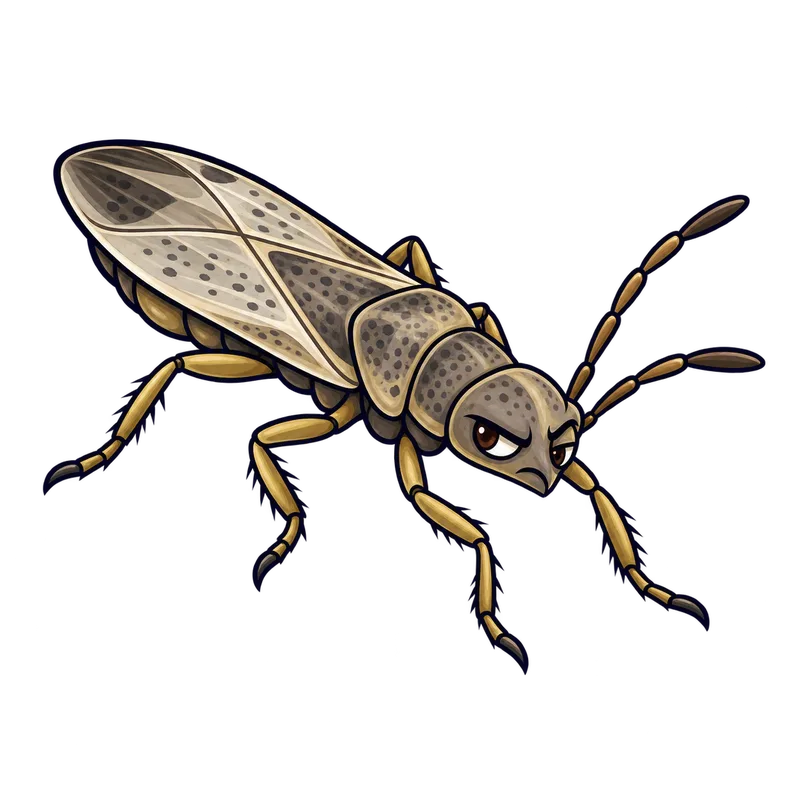
False chinch bugs in Arizona are tiny, grayish-brown, sap-sucking insects measuring one-eighth to one-sixth of an inch long that migrate toward homes in late spring. They are driven out of desert foothills when dry heat bakes their favorite winter weed food sources, usually lingering around irrigated properties for one to three weeks before naturally disappearing.
What is actually going on
You walk out onto your patio in Tucson on a warm morning in May, coffee mug in hand, and notice the exterior stucco looks a bit fuzzy. When you step closer, the fuzzy patch starts to shift. Thousands of tiny, grayish-brown bugs are huddled in a dense, creeping mass right next to the sliding glass door. They are not biting anyone, they are not eating your house, and they certainly were not invited. So, what are they? You are looking at false chinch bugs, scientifically known as Nysius raphanus, and their sudden appearance is simply a seasonal eviction notice.
These small, sap-sucking insects spend the cooler months quietly breeding out in the desert foothills and uncultivated vacant lots. Their favorite food source is winter annual weeds, particularly wild mustards that pop up after a rainy winter. As long as those plants are lush and green, the bugs stay out of your hair. But when the desert heat arrives in late spring and bakes those weeds dry, the food vanishes overnight. Deprived of moisture, millions of adult and nymphal false chinch bugs pack up and start marching toward the nearest irrigated oasis, which usually turns out to be your green lawn, garden vegetables, or shaded patio walls.
This mass migration catches most homeowners off guard because it looks like an overnight invasion. In reality, it is just a frantic transit. The bugs are looking for moisture and shade, not a permanent place to take over your living room. They will typically hang around your landscaping for about one to three weeks before they naturally disperse or die off. While mature trees and established turfgrass usually shrug off their presence, tender garden seedlings and young fruit saplings can take a beating if the bugs decide to camp out on them for a snack.
How to tell for sure
Telling these bugs apart from other uninvited house guests usually comes down to a few distinct physical cues. Adult false chinch bugs are tiny, measuring only about one-eighth to one-sixth of an inch long, and possess slender, grayish-brown bodies. If you look closely, their heads are surprisingly broad, almost as wide as their chest, with prominent bulging eyes. When they fold their wings over their abdomen, the wing tips overlap to form a subtle letter X shape. Crucially, they usually lack the bold black marks on the outer edges of the wings that you might see on other bugs.
If you are looking at the younger, wingless versions, they resemble coarse coffee grounds scattered across your patio bricks or garden soil. These nymphs are mottled gray-brown and often display tiny reddish or orangish markings on their bellies, but they do not have bright red bodies or white bands. People often worry they are dealing with true chinch bugs, but those pests have narrower, pointed heads and distinct white-and-black wing patterns that cause severe, permanent damage to lawns. False chinch bugs, by contrast, rarely cause permanent turf damage and are mostly just passing through.
You might also spot beneficial bigeyed bugs hanging around your plants, which look somewhat similar at a glance. Those beneficial predators have massive, exaggerated eyes and a much wider body, and they eat garden pests rather than forming massive migratory swarms. If you happen to crush a false chinch bug underfoot on your walkway, you will know it immediately by the foul, pungent odor it releases from its scent glands, which smells remarkably like a crushed stink bug.
What usually comes next
When you find a shifting carpet of these bugs on your patio wall, your first instinct is usually to reach for a heavy chemical spray. Pause for a moment and look at the calendar instead. Because these migrations only last a week or two, heavy insecticide treatments are often an unnecessary project. Rely on simple physical methods that clear away the immediate nuisance without soaking your outdoor living space in unnecessary products.
If the bugs are crowding your exterior walls, walkways, or patio furniture, hook up your garden hose and wash them away with a strong stream of water. This breaks up the dense group and sends them scattering, and the survivors rarely try to climb the same wall twice. For the ones that manage to crawl beneath your sliding glass door tracks or window screens and end up inside, skip the spray bottle and grab your vacuum cleaner. Just remember to empty the vacuum bag or canister outside right away, or your living room will hold onto that unfortunate pungent smell.
If you worry about your vegetable garden or young landscape plants, keeping your soil consistently moist helps them tolerate temporary feeding. For tender seedlings planted near uncultivated lots, setting up floating row covers provides a physical barrier that keeps migrating bugs off the leaves. The best long-term prevention actually happens earlier in the year, long before the migration starts, by clearing out wild mustards and winter weeds around your property before the heat dries them out.
When to get help
Most of the time, managing false chinch bugs takes nothing more than patience, a garden hose, and a vacuum. Certain situations, however, call for professional judgment or outside help. If you or a family member experience skin irritation, unexplained bites, or an allergic reaction, do not try to guess which insect caused it. Put away the field guides and contact a medical clinician, an urgent care clinic, or your local poison control center immediately.
You should also look closely at what the insects are doing if you suspect a different kind of visitor. If the bugs inside your home are chewing on your clothes, boring into structural wood, or infesting your pantry grains, you are dealing with an entirely different organism. Structural pests require a licensed pest control operator for proper identification and management.
Keep your local surroundings in mind if you live near natural desert washes or protected open spaces, especially around the edges of Phoenix or Tucson. These areas often support protected wildlife, including nesting migratory birds, bats, and desert reptiles that fall under strict state and federal rules. Never apply broad-spectrum chemicals or disturb wild habitats in a panic, and remember that any major perimeter treatments or restricted-use pesticide applications belong exclusively in the hands of a licensed professional who knows how to keep non-target wildlife and local pollinators safe.