
Squash bugs vs stink bugs on vegetables: how can you tell them apart?
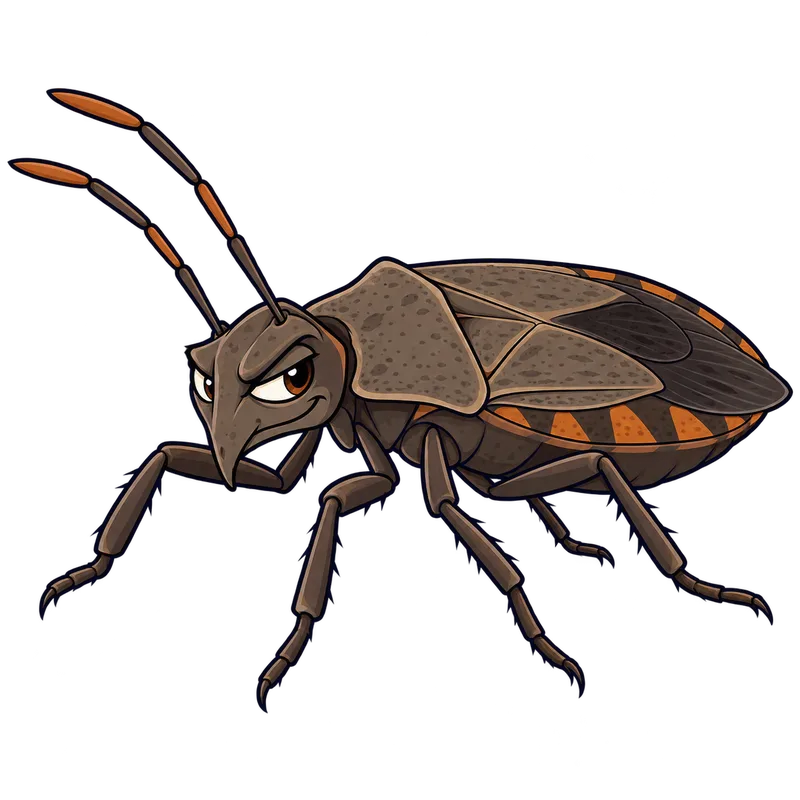
Squash bugs and stink bugs on vegetables can be told apart by their body shapes and host plants. Squash bugs are narrow and elongated, measuring about five-eighths of an inch long, and they stick exclusively to the squash and pumpkin family. Stink bugs feature a distinctive five-sided shield shape and attack a wide variety of crops like tomatoes, bell peppers, and green beans.
What is actually going on
You are standing in the middle of the garden, holding a wilting zucchini leaf, and you notice a cluster of gray-brown bugs crawling along the stem. Naturally, you wonder whether you are dealing with squash bugs or stink bugs, and whether your entire harvest is about to collapse into a slimy mess. Gardeners often mix the two up because both insects use needle-like mouthparts to pierce plant tissue and drink the sap inside, leaving behind ruined foliage and damaged fruit.
The main difference starts with their family backgrounds and body shapes. Squash bugs are narrow and elongated, looking a bit like a flattened almond or a tiny surfboard, and they stick exclusively to crops in the squash and pumpkin family. Stink bugs, on the other hand, are broad generalists that belong to a completely different insect family, featuring a distinctive five-sided shape that resembles a medieval knight's shield. If you find an insect attacking your prize tomatoes, bell peppers, or green beans, it is almost certainly a stink bug rather than a squash bug.
Another major point of confusion involves what they do to your plants. Squash bugs are notorious for draining the life out of cucurbit vines, causing leaves to speckle, turn black, and collapse entirely, a form of damage that can easily be mistaken for bacterial wilt. Stink bugs prefer to inject digestive enzymes into developing fruit and seeds, leaving behind cloudy white spots with yellowish halos on peppers, raised warty growths on bean pods, and sunken, distorted patches on tree fruits and tomatoes. Knowing which pest you are looking at changes everything about how you manage your garden, because treating a squash bug infestation requires a completely different approach than dealing with a patch of hungry shield bugs.
How to tell for sure
Relying on a quick glance across the garden bed usually leads to mistakes, so you need to look closer at specific anatomical details and life stages. Adult squash bugs usually measure about five-eighths of an inch long, featuring a dark brown to black body with an elongated, narrow outline. Their nymphs start out with bright green bodies before transitioning into a dusty ash-gray color in later stages. Stink bugs are usually spotted by their broad, five-sided shield contour, and their nymphs often display bright, contrasting color patterns featuring red, orange, black, or white mottling depending on the exact species.
Eggs provide one of the most reliable early diagnostic markers in the garden. Squash bug females usually deposit smooth, coppery-brown, oval eggs in neat clusters, glued tightly to the undersides of leaves right in the fork of the veins. Stink bug eggs look entirely different, standing upright like tiny, miniature barrels or tin cans arranged in tight clusters. You also have to watch out for beneficial impostors, because not every shield-shaped insect in the garden is an enemy. The spined soldier bug is a predatory stink bug that looks very similar to plant-eating pest species, but it actually acts as a natural ally by hunting down leaf-chewing caterpillars and beetle larvae. Spraying your vegetables indiscriminately without checking first will usually wipe out these helpful predators and leave your garden defenseless against even worse outbreaks.
What usually comes next
Once you have figured out which pest is clinging to your plants, you need to decide whether to pick them off by hand or use a control product. For small garden setups, knocking adult bugs and scraping egg masses off the leaves into a bucket of soapy water works remarkably well. If you are planting cucurbits early in the season, putting lightweight floating row covers over the beds right at planting will usually keep squash bugs and squash vine borers out entirely, though you have to remember to pull those covers off once flowering starts so bees can get in to pollinate your crops.
Timing when you put plants in the ground can also save you a lot of trouble. In many regions, setting out squash and pumpkin plants a bit later in the season helps them usually bypass the peak spring numbers of squash bugs. When dealing with autumn invasions, like stink bugs clustering on the sunny side of a house in September looking for a warm place to spend the winter, vacuuming them up indoors is rarely a good idea unless you want your vacuum cleaner to vent a strong, lingering defensive odor all through your living room.
When simple gardening steps are not enough and you are thinking about a spray, keep in mind that pesticide product labels govern all legal uses. Never stretch out label directions, mix up stronger product concentrations, or brew homemade chemical cocktails, because doing so can scorch your plants, leave illegal residues on your food, and harm beneficial pollinators. Insecticidal soaps, neem oil, and pyrethrins can help manage small, soft-bodied nymphs when you apply them directly, while registered chemical options require strict adherence to pre-harvest interval wait times. If you are managing commercial crops or facing complex pest pressures, a licensed pesticide applicator can help you make the right call.
When to get help
Most garden pest situations can be handled with regular scouting, physical removal, and careful gardening habits, but certain scenarios call for outside assistance. If you suspect an infestation of a heavily regulated invasive pest, such as a quarantine-level stink bug outside its usual range, you should report the sighting to your local university extension service or regional agricultural authority.
As for your health, neither squash bugs nor stink bugs bite people, sting, or carry human pathogens. However, if you or someone in your household experiences unusual insect bites, unexplained skin marks, or potential allergic reactions while working in the garden, you should consult a qualified clinician, urgent care center, or poison control service right away instead of assuming the symptoms came from a garden pest.
Finally, if you are applying commercial insecticides or handling restricted-use products near sensitive areas, leave those jobs to a licensed professional who understands local environmental regulations. Chemical sprays carry inherent risks for honeybees, predatory mites, and aquatic life, and local laws strictly prohibit applications along hard surfaces where stormwater runoff can wash residues straight into public waterways.