
What does chinch bug damage look like on St. Augustine grass?
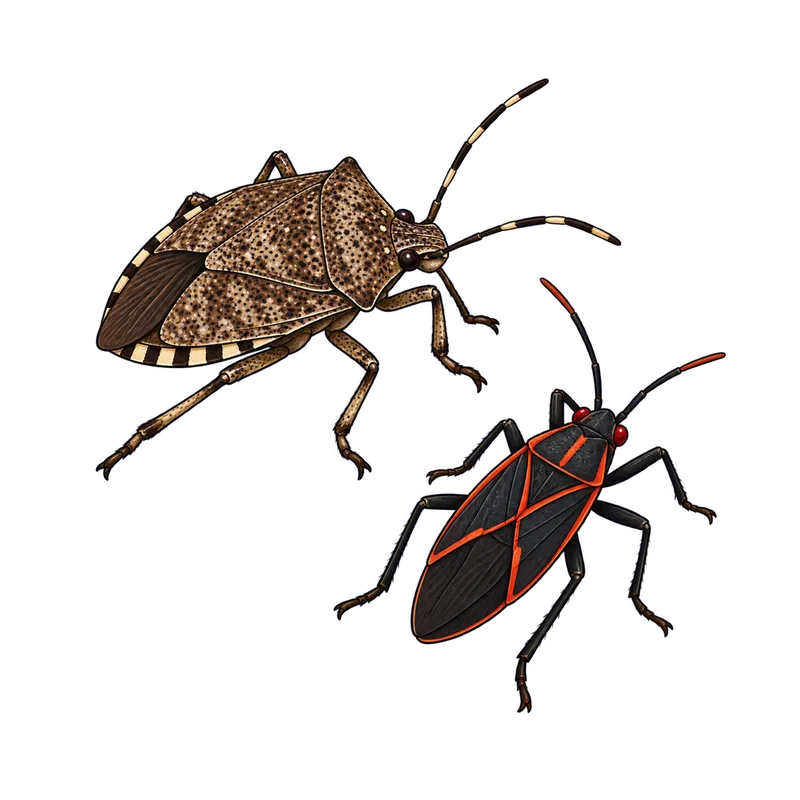
Chinch bug damage on St. Augustine grass appears as irregular, expanding patches of wilting turf that turn straw-colored and matted together. This damage shows up almost exclusively in open, hot, and sunny areas of the lawn, such as along curbs and sidewalks.
What is actually going on
You walk out to check the lawn on a blistering July afternoon and notice something annoying. Right where the St. Augustine grass meets the scorching concrete of the driveway, a strange yellowish patch has appeared. Yesterday it looked a bit off-color, and today it is turning the pale, dry shade of old straw. You grab the garden hose and soak the spot, assuming the summer heat just got ahead of the sprinklers. When you check it forty-eight hours later, the grass has not bounced back at all. In fact, the yellow halo has grown larger, and the dead blades are beginning to look matted together.
Chinch bug damage on St. Augustine grass appears as irregular, expanding patches of wilting, yellowing turf that turn straw-colored, brown, and matted, located almost exclusively in open, hot, sunny areas of the lawn.
The culprits behind this mess are tiny insects that treat your lawn like a personal juice bar. Both the immature nymphs and the winged adults possess slender, piercing-sucking beaks. They jam these mouthparts deep into the grass crowns, stems, and leaf sheaths to drain vital plant sap. Think of the plant stem like a drinking straw that has been pin-pricked and crushed. No matter how much water your roots soak up from the soil, the leaves above cannot drink. To make matters worse, these bugs inject a toxic salivary fluid as they feed that clogs the internal water-conducting tissues of the plant.
Because these insects are sunshine-loving creatures that thrive in high heat, damage always starts in the blazing hot spots. You will spot the trouble along curbs, sidewalks, and exposed slopes, but almost never in the shady parts under a live oak tree. Why do they avoid the shade? It simply comes down to their preference for dry, baking warmth where their populations can multiply unchecked during the summer months.
How to tell for sure
It is easy to jump to the wrong conclusion when a lawn starts turning brown in the middle of summer. People often assume the sprinkler system failed, or that underground grubs are eating the roots. To know for sure, you have to look for specific physical clues that separate chinch bugs from other lawn troubles.
The most reliable diagnostic test is the flotation method. Find a large metal tin or coffee can with both the top and bottom lids removed. Head out to the outer edge of the damaged zone, right where the dead straw-colored grass meets the still-green turf. Push the open cylinder about two to three inches deep into the soil. Fill the can with water and keep it topped off for five to ten minutes as the liquid drains into the dirt. Just like watching floating bits rise to the top of a cereal bowl, hidden chinch bugs will detach from the grass crown and bob right up to the water surface where you can count them.
Treatment is usually justified when your sampling reveals about fifteen to twenty-five bugs per square foot, depending on the guidelines from your local extension office. But what if you do not want to hack up your dirt with a can? You can also rule out other suspects by checking how the turf behaves under physical stress.
If you pull on a handful of grass damaged by white grubs, it usually peels back from the dirt like a loose bathmat because the roots are gone. Chinch-bug-damaged turf stays firmly anchored to the soil because these insects feed above ground on the stems rather than chewing the roots underneath. You can also test for drought by watching the recovery time. Irrigated drought-stressed turf usually greens back up within twenty-four to forty-eight hours, whereas chinch-bug-damaged St. Augustine grass stays stubbornly dead and dry because its vascular system is permanently ruined.
What usually comes next
Once you confirm that chinch bugs are tearing through your St. Augustine grass, you have to decide how to handle the infestation before it takes over the entire yard. St. Augustine grass can suffer extensive canopy mortality within a few weeks during peak summer heat if high bug densities go unmanaged, so ignoring the problem is rarely a winning strategy.
If you choose to use a pesticide, always read and follow the product label directions. Never extend, contradict, or alter what the manufacturer instructs you to do. If the soil is bone dry, irrigate your lawn several hours or a day before applying any treatment to prevent chemical plant injury and encourage the bugs to move closer to the surface where the product can reach them.
You also need to think about resistance. In many regions, southern chinch bugs have developed resistance to standard synthetic pyrethroid insecticides. If a correctly applied pyrethroid spray fails to stop the patch from expanding, do not simply reapply the same product. You will need to rotate to an alternative chemical class to break the resistance cycle.
Cultural habits matter just as much as chemical sprays for the long haul. Avoid heavy applications of quick-release nitrogen fertilizers in the spring, because lush, succulent grass growth acts like a dinner bell for hungry chinch bugs. Keeping your thatch layer under half an inch thick through proper dethatching will also deny these insects the dark, protected hiding spots they love.
When to get help
There are times when a homeowner is better off handing the problem over to someone else. If you are dealing with a severe residential outbreak on a massive property, or if you manage commercial landscapes, golf courses, or sod farms, you will likely need restricted-use pesticides that require specialized application equipment.
Safety is another clear boundary. Many common insecticides used to control lawn pests are extremely toxic to aquatic life and beneficial pollinators like honeybees. If your lawn slopes toward a pond, stream, or storm drain, or if bees are actively foraging in clover weeds nearby, you need to exercise extreme caution or bring in a licensed professional who knows how to apply treatments without harming the surrounding environment.
If you have tried standard over-the-counter treatments and the patch expansion continues unchecked, consult a university extension specialist or a licensed pesticide applicator. They can properly assess local resistance patterns, verify the exact pest species, and apply the correct chemistry safely and effectively.