
What fruit damage can stink bugs cause on tomatoes?
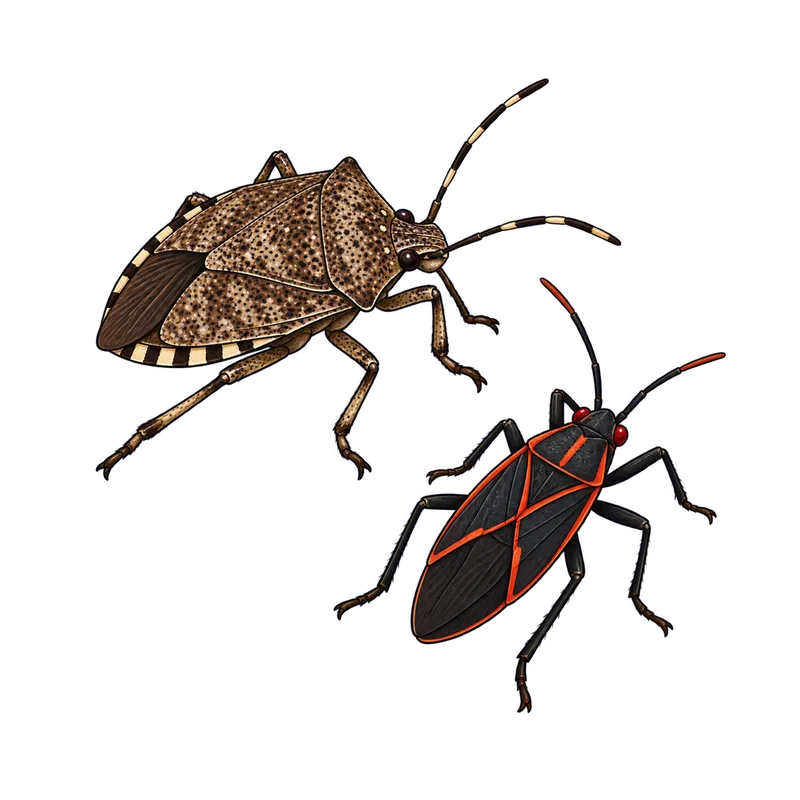
Stink bug feeding on tomatoes causes direct fruit injury characterized by distinct white marks that often resemble halos on the fruit surface. This happens when the bugs use piercing-sucking mouthparts to extract internal plant juices while keeping the skin mostly intact. Heavy feeding can also cause young tomatoes to grow in distorted shapes or drop off the vine prematurely.
What is actually going on
You walk out to the garden on a warm August morning, expecting to harvest a basket of flawless, sun-warmed red tomatoes, and instead you turn one over and find strange, pale white spots staring back at you like little ghostly halos. It is frustrating to spend months watering, staking, and weeding only to watch your harvest get ruined by invisible freeloaders.
Stink bug feeding on tomatoes causes direct fruit injury characterized by distinct white marks that often resemble halos on the fruit surface. These blemishes result from adult bugs and younger nymphs using piercing-sucking mouthparts to extract sap, which leads to weakened plants and malformed fruit.
Instead of chewing holes through the skin like a caterpillar or beetle would, a stink bug uses a slender, needle-like mouthpart to puncture the outer layer of the tomato. Once inside, it secretes digestive saliva and sucks out the internal plant juices. The fruit skin usually stays intact, which is why the damage can take you by surprise until you rotate the tomato toward the sun and notice those pale, cloudy spots and surrounding light-colored rings.
Beyond cosmetic blemishes, heavy or repeated feeding on young flower buds and developing green tomatoes causes the fruit to grow in weird, distorted shapes or drop off the vine prematurely. The bugs also drain the overall vigor of the host plant as they feed continuously from May through mid-October, seeking out tender vegetation in the garden bed.
As the season cools in early September, adult bugs often shift their behavior and migrate toward human structures to find warm places for surviving the winter months. Before that happens, they spend weeks piercing vegetable tissue and leaving behind ruined patches that frustrate home gardeners trying to put homegrown produce on the dinner table.
How to tell for sure
You can usually identify the culprit by looking closely at the damage and the insects themselves. Adult stink bugs usually have a distinctive five-sided shield shape and measure about five-eighths of an inch long. When they lay eggs, they deposit tiny barrel-shaped structures in neat clusters on the undersides of leaves. If you see a cluster of pale white halo spots on a tomato, you are usually looking at stink bug work, or occasionally the handiwork of leaffooted bugs, which cause identical damage and require the exact same management.
It helps to know what you are not looking at. Fungal late blight creates large, greasy, brownish-green blotches, while caterpillars chew deep, hollowed-out cavities accompanied by dark droppings. Stink bugs leave the surface mostly smooth. You also want to make sure you are not about to squash a beneficial insect. Predatory species like the spined soldier bug look similar to pest shield bugs, but they eat garden pests instead of your tomatoes. If you are ever unsure, a quick check with a ten-power magnification lens can help you examine the eggs or distinguish the predators from the plant-eaters.
What usually comes next
Once you spot the damage, your next move depends entirely on how many bugs you have and whether you want to use physical controls or chemical sprays. For a light infestation, handpicking is usually the most practical choice. You can inspect the undersides of your tomato leaves, drop any nymphs or adults you find straight into a bucket of soapy water, and clear out nearby weeds and overgrown vegetation where the bugs like to hide over winter.
If the population gets out of hand and fruit damage keeps mounting, you might consider an insecticide. You have to be careful here, because broad-spectrum sprays will wipe out those helpful predatory soldier bugs along with the pests. If you choose to spray, you must follow the product label exactly, keeping strict note of the pre-harvest interval, which tells you how many days must pass between application and picking your tomatoes. Other choices demand much longer waiting periods, so always check the specific container instructions before treating food crops.
When to get help
Sometimes a garden problem goes beyond a simple fix, or safety concerns come into play. If you accidentally spill or misuse a pesticide, or if someone suffers an exposure, you need to reach out to a medical professional, local urgent care, or poison control right away, and call nine-one-one for any severe emergency. Always treat product labels as law, meaning you should never exceed application rates or ignore the mandatory waiting periods before eating your harvest.
If your tomato damage looks unusual and you cannot tell whether you are dealing with insects, a nutrient deficiency, or a plant disease, bring a clear photograph or a physical sample to a university cooperative extension diagnostic clinic. They can give you an authoritative identification before you spend money on chemical treatments that might not solve the actual problem.