
What is a western conifer seed bug?
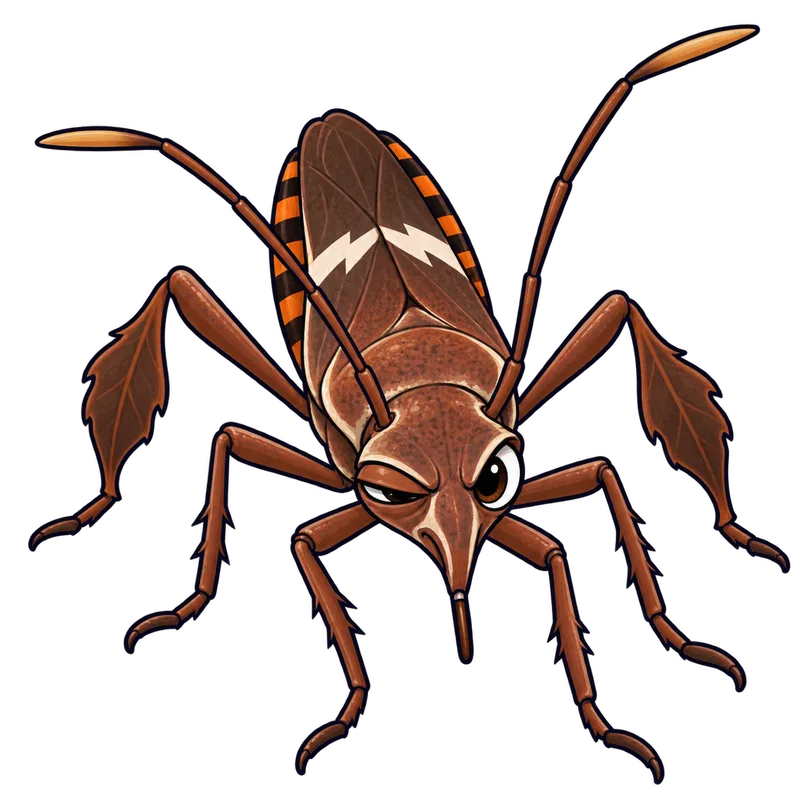
A western conifer seed bug is a dark reddish brown or black outdoor insect measuring about one-third of an inch long. These true bugs use piercing-sucking mouthparts to feed on plant seeds and developing fruit juices, and they slip into buildings to find shelter when autumn temperatures drop.
What is actually going on
Imagine stepping outside onto the back porch on a crisp October afternoon. You lean against the sun-warmed wooden siding, and suddenly you notice a dark, oblong insect crawling lazily across the paint. A few minutes later, you spot another one near the window frame, and then another. They are not menacing anyone, but their sheer presence makes you wonder how they got there and what they want. You are looking at a western conifer seed bug, an outdoor-dwelling insect that prefers spending its life in trees, far away from your furniture.
These creatures belong to a large family of true bugs equipped with piercing-sucking mouthparts. Outdoors, they use those specialized, straw-like beaks to feed on plant seeds and developing fruit juices, causing minimal damage to mature trees. They spend the warmer months moving through distinct life stages, starting as eggs and developing through five nymph phases before reaching adulthood. The trouble starts when the seasons shift. As late-summer heatwaves peak or autumn temperatures drop, these adults look for shelter from the elements. They possess a strong instinct to congregate on warm, sun-exposed exterior walls, especially south- and west-facing surfaces, absorbing every bit of residual heat.
Once they gather on the outside of a building, they inevitably find tiny architectural flaws. They crawl through narrow structural gaps, unsealed window frames, loose door sweeps, and siding vents, slipping quietly into wall voids and attics to wait out the cold months. Some people wonder if these invaders will start multiplying indoors or chewing through timber framing, but that worry is unfounded. They do not reproduce inside houses, nor do they possess the chewing mouthparts required to damage structural wood, drywall, or household fabrics. They are simply occasional visitors seeking a winter hotel, though their presence becomes an indoor nuisance when indoor heating wakes them up early.
How to tell for sure
If you spot one of these bugs indoors, you usually see an oval, somewhat flattened insect measuring about the length of a small almond or apple seed, typically around one-third of an inch long. Their coloration usually ranges from dark reddish-brown to black, accented with distinct reddish or orange markings along the thorax, wings, and legs. When the wings are folded flat over the back, you can usually spot a faint, light-colored X-shaped pattern or a dark triangle. If you look closely with a pocket magnifier, you will see their beak tucked underneath the head and scent gland openings on the underside of the thorax between the legs.
People often confuse them with boxelder bugs, stink bugs, or elm seed bugs because they share a similar habit of invading homes in large numbers. While those other pests look superficially similar at a casual glance, precise species confirmation usually requires an entomologist to examine tiny anatomical features like hind leg structures or wing veins. You should never try to identify any pest from a bite mark or a skin rash, mostly because these bugs do not bite humans or pets in the first place. When in doubt, rely on visual observations of the insect itself rather than assuming a skin irritation came from a harmless visitor.
What usually comes next
The most practical decision you can make involves choosing between physical prevention and messy indoor reactions. When you find a few sluggish bugs walking across a living room windowsill on a sunny winter morning, your first impulse might be to swat them with a rolled-up magazine. Resist that urge. If you crush or disturb one of these insects, specialized scent glands on its underside will discharge volatile defensive chemicals. That fluid releases a strong, foul odor often compared to a sharp burst of bitter almonds or pungent marzipan, and it can leave permanent orange stains on drapes, carpets, and wallpaper.
Instead of a flyswatter, reach for the vacuum cleaner. Using a vacuum wand is the safest and cleanest way to remove indoor specimens without triggering their scent glands. Once you finish vacuuming, immediately take the vacuum bag or empty the canister into a sealed plastic bag and toss it straight into an outdoor trash receptacle to keep any lingering smells out of the house. For long-term peace of mind, focus your energy on mechanical exclusion before the next invasion season starts. Seal gaps around window frames and door trim with high-quality caulk, install tight-fitting door sweeps, replace worn weather-stripping, and repair damaged window screens. You can also swap bright white outdoor porch lights for warm-yellow or sodium-vapor bulbs, which are far less attractive to nocturnal insects looking for a place to land. If you consider using chemical perimeter treatments, keep in mind that product labels strictly govern all applications, and decisions regarding outdoor residual barrier sprays usually belong to a licensed pesticide applicator.
When to get help
While these seed bugs are essentially harmless, there are moments when you need outside backup. If bugs begin pouring into your living spaces in massive, unmanageable numbers that completely overwhelm your household vacuum, or if their primary entry points are located on high, inaccessible multi-story exterior walls or rooflines, it is time to call a pest control professional. Professionals have the right extension equipment and exterior barrier products to handle heavy wall-void aggregations before the autumn migration peaks.
On the health side, seed bugs do not transmit infectious pathogens or pose a direct medical threat, but large quantities of insect fragments, shed skins, or defensive secretions can occasionally trigger localized skin irritation or respiratory discomfort in particularly sensitive individuals. If someone in your home develops persistent skin or breathing reactions, do not try to diagnose the issue yourself. Consult a clinician, visit an urgent care clinic, or contact your local poison control center for proper medical guidance.