
Squash bug nymph vs adult: what changes during the season?
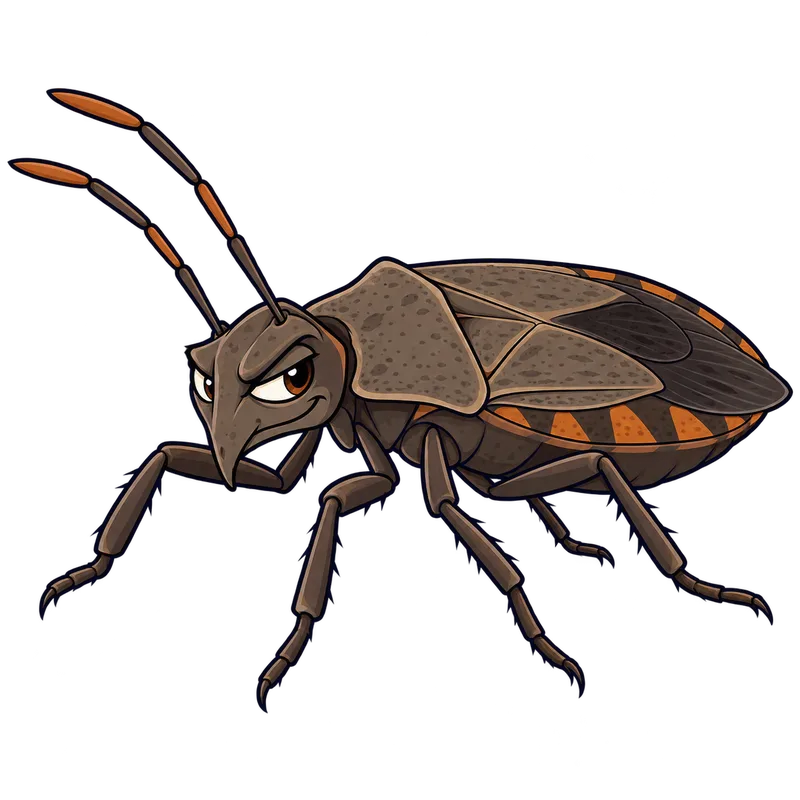
Squash bugs change color as they grow through the season. Coppery brown egg clusters on the undersides of leaves hatch into bright green nymphs with dark heads and legs, which turn dusty gray as they molt and finally become dark brown to black adults with wings folded flat over their backs.
What is actually going on
Picture walking out to your vegetable patch on a warm morning with a cup of coffee, only to notice your prize summer squash looking rather sad and droopy. You assume it needs water, so you grab the hose, but by tomorrow the leaves are limp again and some small brownish insects are scuttling away from the stem bases. What you are watching is a seasonal wardrobe change of sorts, orchestrated by the squash bug. These insects do not pass through a larval or pupal stage like butterflies do. Instead, they hatch out as miniature versions of themselves and transform right before your eyes as the warm months roll on.
Over the growing season, a single population goes through three distinct looks that often fool gardeners into thinking they are dealing with entirely different pests. The whole event kicks off when overwintered adults mate and lay tiny, coppery brown egg clusters on the undersides of your cucurbit leaves. When those eggs hatch, you get bright green little nymphs that look nothing like the heavy, dark brown armored bugs you will see later in the summer. As the season progresses and those bugs feed, they shed their skins multiple times, shifting from green to a dusty gray, before finally settling into their adult phase as dark brown or black flyers with wings folded flat.
Why does this transformation matter for your garden? Because at every single stage of their lives, these bugs possess piercing-sucking mouthparts that act like tiny, uninvited straws. They puncture the plant vascular tissues to drain away sap, water, and nutrients. It is a bit like a garden hose with a slow pinhole leak. The plant wilts not from some mysterious root disease, but simply because its water pressure is being constantly drained from underneath the foliage. Left unchecked, heavy feeding by nymphs and adults causes leaves to turn yellow, vines to collapse, and developing fruit to rot on the vine.
How to tell for sure
Spotting these pests usually requires nothing more than a good eye and a willingness to turn over a few leaves, since all their life stages are easily visible without any magnifying equipment. You can identify them by reading the visual signs left behind on the plants.
The diagnostic markers follow a clear seasonal progression: eggs are coppery brown and barrel-shaped, arranged neatly in tight clusters on the undersides of leaves or along the main stems. Freshly hatched nymphs feature bright green abdomens paired with dark heads and legs, darting around the tender new growth. Maturing nymphs show a gradual color shift from green to a neutral gray as their bodies grow larger across successive molts. Adults are fully developed insects measuring dark brown to black, equipped with functional wings folded flat over their backs.
You will usually find that squashes and pumpkins bear the brunt of the damage, though cucumbers can occasionally host them too. One common trap is confusing squash bug wilting with bacterial wilt, which is a disease transmitted by cucumber beetles. If your plants are collapsing and you see gray nymphs or dark adults clustering near the soil line, you are dealing with squash bugs directly draining the sap rather than a vascular pathogen. If you want to be completely certain, check the leaf undersides for those coppery egg clusters. Beneficial predatory bugs rarely lay clustered, coppery eggs in such neat geometric patterns.
What usually comes next
Once you recognize the stage of the pest you are dealing with, you have to make a practical choice about how to protect your harvest without destroying your garden ecosystem. Planting your squashes and pumpkins a bit later, usually around mid-June, can help your crops entirely miss the peak wave of overwintered adult bugs looking for early spring seedlings.
Another reliable tactic is using physical barriers. You can lay lightweight floating row covers over your seedbeds or transplants right at planting time, ensuring the edges are firmly buried in the soil so crawling bugs cannot sneak underneath. This blocks adults from laying those early egg clusters. However, you must remove those covers completely the moment your plants start producing their first male and female flowers. If you leave the blankets on past the flowering stage, you block bees and other pollinators, which leads to dropped blossoms and zero fruit set.
When you discover active bugs already established on your plants, you can scout twice a week and manually crush or scrape egg masses into a container of soapy water. If you choose to use spray treatments, options like permethrin, insecticidal soap, pyrethrins, and kaolin clay are labeled for home garden use on squash. Liquid contact sprays demand thorough, direct coverage of the leaf undersides and plant crowns where the bugs hide. Always read and follow the product label for application rates and pre-harvest intervals. Permethrin, insecticidal soap, and pyrethrins carry a zero-day pre-harvest interval on squash when applied according to directions, meaning you can harvest safely on the day you spray, provided you follow every instruction on the container.
When to get help
There are moments when a backyard garden issue outgrows DIY solutions and requires outside reinforcement. If you notice rapid, widespread plant collapse across an entire patch despite your best efforts at scouting and physical removal, dense nymphal feeding may have overrun the vines beyond recovery.
You should also consult a professional, such as a local university extension agent or a certified crop advisor, if severe wilting persists after you have completely eliminated the visible squash bugs. That kind of lingering decline often points to underlying root rots, viral infections, or secondary complications that simple insect sprays will not fix.
When applying any chemical or organic pest control product, always adhere strictly to the safety guidelines on the label. Treat crops during the cooler morning or evening hours to avoid scorching the tender foliage, and check with poison control or local agricultural authorities immediately if you suspect accidental exposure or misuse.