
False chinch bug vs chinch bug: what is different?
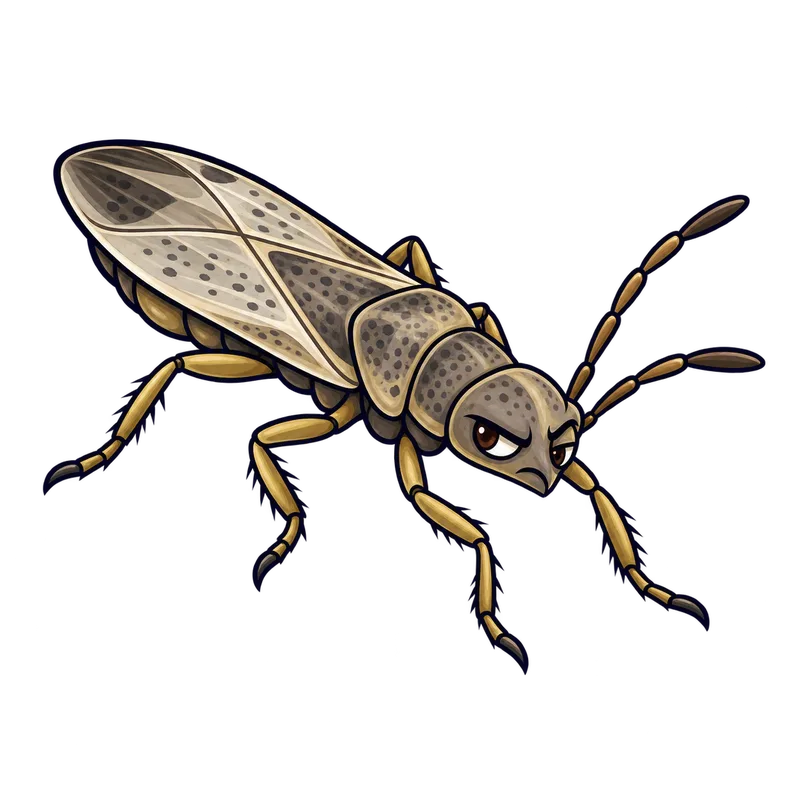
True chinch bugs are turf-loving pests that stay put in lawns and grain fields, while false chinch bugs are weed-breeding nomads that form massive migrating swarms when their wild food sources dry up. True chinch bugs feature a bold white wing pattern forming a letter X, whereas false chinch bugs are dull grayish-brown with translucent wings.
What is actually going on
Picture stepping out onto your back patio on a blistering July afternoon and noticing what looks like a moving carpet of dirt creeping across your concrete steps. Closer inspection reveals thousands of tiny, dusty-looking insects marching with purpose toward your prized tomato plants. Or maybe you are staring at an ugly yellow patch in your front lawn that refuses to green up, no matter how long you leave the sprinkler running. You might wonder if you are dealing with the exact same tiny creature in both spots, but chances are you are looking at two entirely different bugs with very different habits.
The short answer is that true chinch bugs are turf- and grain-loving pests that stay put in your lawn or crops, while false chinch bugs are weed-breeding nomads that form massive migrating swarms when their wild food sources dry up. They both belong to the true bug order, but their life paths, body designs, and destructive methods could not be more dissimilar.
True chinch bugs live out their entire lives close to the soil in sunny lawns or grain fields, settling into thick thatch layers where they feed on grass blades. False chinch bugs, by contrast, spend the cool, rainy spring months quietly breeding on wild mustards and other uncultivated cruciferous weeds. When summer heat finally bakes those wild weeds until they turn brown and crunchy, the false chinch bugs suddenly find themselves out of groceries. That is when they launch en masse, moving like a crawling brown wave across driveways, patios, and garden beds to find new sap sources.
How to tell for sure
Relying on a quick glance across the yard usually leads to confusion, so looking closer makes all the difference. Adult true chinch bugs are usually solid black or grayish-black with distinctive white wings folded flat over their backs, featuring a dark triangular patch on the outer margin that creates a bold letter X pattern. You can picture it almost like a white envelope with a dark triangular seal stamped right in the middle. False chinch bugs are usually slightly smaller, dull grayish-brown or tan, and possess translucent wings without that dark outer margin patch. They also have a dark central triangle on the back known as the scutellum.
Head shape usually provides another reliable clue when you use a 10x hand lens. True chinch bugs have narrow, pointed heads, while false chinch bugs usually have broad heads nearly equal in width to their thoraxes, complete with prominent protruding eyes that sometimes get them confused with beneficial bigeyed bugs.
Nymphs, or the immature stages, usually look entirely different between the two types. True chinch bug nymphs hatch bright red or pinkish with a bold white band crossing their abdomens. False chinch bug nymphs are usually mottled gray-brown and lack that white band entirely, often resembling a scattered pinch of dry coffee grounds on the soil. If you happen to crush a cluster of false chinch bugs on your patio, they usually release a sharp, pungent odor similar to a stinkbug, which is just their natural defense mechanism. They do not bite humans, and they do not carry diseases.
What usually comes next
Deciding your next step usually depends on whether your trouble is rooted right in the turf or arriving in a seasonal wave. If you suspect suspicious brown spots in the lawn, you can run a quick diagnostic check before buying any products. Push an open metal cylinder, like a coffee tin with both ends removed, a couple of inches into the turf right where the dead grass meets the green grass, and fill it with water. If enough immature true chinch bugs float to the surface per square foot, you have found the source of the trouble.
If you wonder whether your lawn is simply thirsty or under insect attack, the watering test usually provides a fast answer. Ordinary drought stress usually makes grass bounce back within a day or two after a deep soaking. True chinch bugs inject salivary digestive enzymes into the grass stems while feeding, which clogs the plant plumbing and permanently blocks water transport. If your grass stays matted and brown despite thorough watering, the damage is chemical rather than purely thirst-driven.
When false chinch bugs arrive in migrating swarms across your patio or garden edge, chemical sprays on exterior walls or soil are usually a waste of time because the visitors are passing through and fresh ones keep arriving. Physical barriers, floating row covers over young garden seedlings, or a strong blast of water from a garden hose to wash them away usually work much better. For lawn-dwelling true chinch bugs, keeping thatch layers below half an inch and avoiding heavy applications of high-nitrogen spring fertilizers usually discourages future population explosions.
When to get help
Most minor garden migrations or localized lawn issues can usually be managed with patience and cultural adjustments, but certain situations call for outside expertise. Many high-potency chemical formulations designed for severe turf infestations are classified as restricted-use pesticides that legally require a certified, licensed professional for purchase and application. If you apply a registered home lawn insecticide correctly and see no reduction in damage, you might be dealing with a resistant population, which usually warrants calling a university extension service or a licensed lawn care specialist to discuss alternative modes of action.
Safety concerns also usually demand a sensible approach. If anyone in your household experiences skin irritation, rashes, or accidental exposure during lawn treatments, wash the area thoroughly with soap and water and contact a medical clinician, urgent care clinic, or poison control center immediately. Keep in mind that neither true nor false chinch bugs bite people, so any unexplained skin lesions or persistent bites should be evaluated by a healthcare professional rather than blamed on lawn insects.