
Why are boxelder bugs in a house in Ontario?
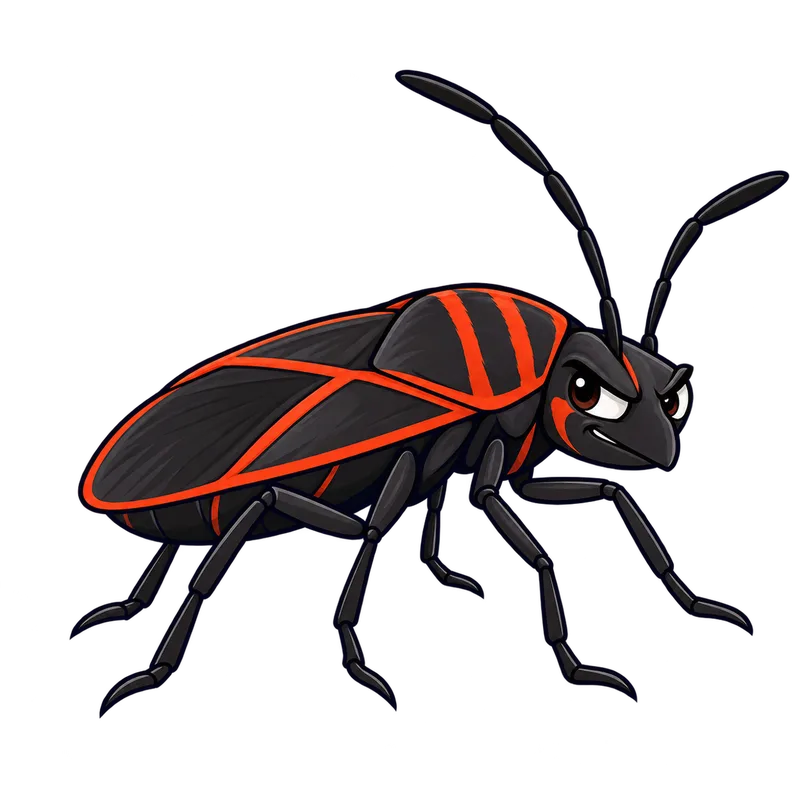
Boxelder bugs are inside a house in Ontario because they are looking for a warm place to sleep through the winter. As autumn air cools down, these dark gray and red insects migrate from outdoor trees to sun-exposed walls and slip through tiny cracks to enter a resting state in wall voids.
What is actually going on
You walk into the living room on a crisp October afternoon, grab a mug of coffee, and notice a slow, dark gray and red insect marching across the baseboard. Ten minutes later, you find three more basking on the sunny window frame. If you live in Ontario, you are likely looking at a boxelder bug. These creatures are not crawling indoors because they want to eat your drywall or raid your pantry. They are inside because they are looking for a warm place to sleep through the winter.
During the spring and summer, boxelder bugs stay entirely outdoors. They feed and reproduce on nearby seed-bearing trees, particularly female boxelder trees, which many Canadians call Manitoba maples. As August turns into September and the autumn air cools down, these bugs migrate away from their feeding sites. They naturally gravitate toward warm, sun-exposed exterior surfaces like south-facing brick walls or vinyl siding, soaking up the heat just before the frost sets in, much like solar panels soaking up late-afternoon warmth.
From those sunny outdoor gathering spots, the insects look for tiny cracks to squeeze through. They slip past uncaulked siding joints, gaps around window frames, and loose utility penetrations. Once they are inside your walls, they enter a resting state called diapause. They act like uninvited hotel guests who check into wall voids during autumn, sleep through the winter without eating or damaging the house, and only wander into the hallway when someone turns up the thermostat on a sunny January day.
How to tell for sure
Boxelder bugs are usually fairly distinctive once you get a close look at them. Adults usually measure about half an inch long and have an elongated, flat-backed body. Their armor is mostly dark gray or black, accented by bright red or orange lines along the outer edges and three distinct red stripes across the thorax, which is the section right behind the head.
You will usually find them congregating in large groups on sun-drenched exterior walls in the autumn, or wandering sluggishly indoors during the winter and early spring. If you spot them indoors, you can usually rule out structural damage. They do not possess mouthparts capable of chewing wood, drywall, carpets, or stored goods, so your structural framing is safe.
It helps to know what they are not. People often confuse them with brown marmorated stink bugs, which also gather on walls in the fall, but stink bugs are broader, shield-shaped, and release a sharp, unpleasant odor when disturbed. If you happen to crush a boxelder bug against a white wall or a linen curtain, it usually leaves behind an orange or red stain from its defensive fluids rather than a pungent smell.
What usually comes next
When you find boxelder bugs inside your house, your first move usually boils down to how you plan to sweep them up. You want to steer clear of crushing them with a paper towel or the heel of your shoe because that leaves ugly stains on fabrics and paint. Instead, grab a vacuum cleaner or a trusty broom and dustpan. Sucking them into a vacuum is a quick, mess-free chore, as long as you empty the bag before the bugs figure out how to climb back out. Make sure to dump the vacuum contents straight into a sealed plastic bag and toss it into the outdoor trash so they do not stage a comeback.
Dealing with a few stragglers on the baseboard is one thing, but keeping them out next autumn takes a bit of planning. This calls for blocking their entryways rather than relying on endless indoor bug sprays. Once the weather turns mild in the spring and the current wave of bugs finally heads back outdoors, take a walk around the foundation with a tube of sealant. Fill in cracks in the masonry, put fresh sweeps on the exterior doors, and patch any tiny holes in your window screens.
If you happen to have a seed-bearing tree dropping pods right against your siding, which basically acts like an all-you-can-eat diner right outside the guest bedroom, you might eventually decide to plant a different tree instead. Securing your exterior walls and managing those outdoor spots stops the whole cycle way better than chasing wandering bugs around with a rolled-up magazine.
When to get help
Most boxelder bug visits are just minor annoyances you can easily handle yourself with a vacuum and some caulk, but a few situations definitely require backup. If you are dealing with a massive buildup where thousands of bugs pour out of high rooflines or tricky multi-story areas that are out of reach on a ladder, you should call in a licensed pest control operator who has proper gear and experience.
Treatments need a careful hand, and any spray applied outside must strictly follow the instructions printed right on the container label. You should never put products on concrete patios, driveways, or other hard surfaces where rain can wash them straight into storm drains and local creeks, and avoid spraying near flowers when bees and other pollinators are buzzing around.
As far as health goes, boxelder bugs cannot bite, sting, or carry diseases, and accidental contact with their defensive juices usually just causes minor skin irritation at worst. Even so, if anyone in your household develops an unexpected reaction, a lasting rash, or any distress after touching the pests, reach out to a doctor or your local poison control center right away.
Lastly, remember that these bugs are common, unregulated nuisance visitors across Canada. Government agricultural offices focus their efforts on serious forest pests rather than household insects, so homeowners take care of boxelder bugs on their own. If you happen to notice bats, nesting birds, or other protected wildlife sharing those same wall spaces with the bugs, stop what you are doing and call a local wildlife agency, since strict laws protect those animals and dictate how they must be managed.