
Why are stink bugs common in Minnesota?
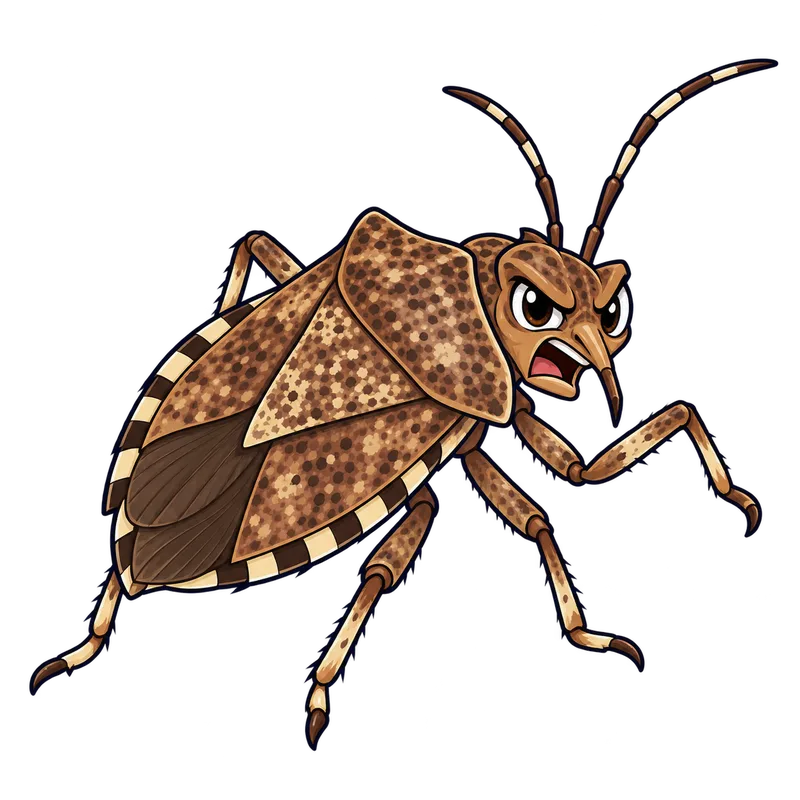
Stink bugs are common in Minnesota because of a successful biological invasion by the brown marmorated stink bug, combined with a warming climate and endless food sources. These insects gather on homes in September to find a warm place to hibernate for the winter, taking advantage of your house siding just like their ancestors used cliff faces.
What is actually going on
You walk out onto your back porch on a crisp September morning, coffee mug in hand, and notice the siding of your house is literally moving. Dozens of flat, armor-plated bugs are basking lazily in the weak autumn sun, climbing over each other like tiny medieval knights looking for a way indoors. If you live in Minnesota, this late-season invasion is a familiar annoyance, and you might wonder why these foul-smelling pests seem to treat your particular zip code like an all-inclusive winter resort.
Stink bugs are common in Minnesota because of a successful biological invasion mixed with some very stubborn survival instincts. The most notorious troublemaker here is the brown marmorated stink bug, an accidental immigrant from Asia first spotted in the eastern United States decades ago. Since then, these insects have fanned out across the country, taking advantage of a warming climate and a nearly endless buffet of wild weeds, backyard gardens, and farm crops. Because they can fly long distances and feed on almost any broadleaf plant they encounter, their populations face very few natural roadblocks as they spread north.
The real surge in visibility comes down to a seasonal calendar change. As the days shorten and the first real cool snap hits in September, these bugs stop feeding on crops and start looking for a safe place to ride out the winter. To a stink bug, the warm, sun-exposed wooden or vinyl siding of a Minnesota home looks remarkably like the vertical rock cliffs where their ancestors used to hibernate. They squeeze through tiny gaps around window frames, soffit vents, and siding seams, trading the chilly outdoors for your attic or wall voids.
Once they find a cozy spot inside your insulation, they drop into a sluggish, dormant state until spring. The problem is that indoor heating can trick them into thinking winter is over too early. You might find one crawling clumsily across your living room ceiling in January, bumping into lampshades and emitting that signature pungent odor if anyone accidentally startles it. They are not biting you or chewing your furniture, but their sheer numbers and tendency to show up uninvited make them an autumn staple across the state.
How to tell for sure
Before you start worrying about an infestation, it helps to confirm what you are actually looking at, because not every flat bug in your garden is public enemy number one. Full-grown adult stink bugs usually measure about five-eighths of an inch long and have a very distinct five-sided, shield-shaped body that looks like a miniature suit of armor. Their antennae usually feature distinct light or dark bands, and their mouths are built into a rigid straw-like structure tucked underneath their bodies for piercing plant tissue.
You can usually tell the invasive brown marmorated variety from native lookalikes by checking the exact shade of brown and looking for smooth, rounded shoulders instead of spiked ones. On garden plants, you might also spot their tiny, barrel-shaped eggs glued to the undersides of leaves in neat clusters. If you happen to spot a bug with similar armor and a slightly more aggressive posture hunting down caterpillars on your tomato plants, pause before you squash it. That is usually a beneficial spined soldier bug, a native predator that actually helps your garden by eating pest larvae.
Garden damage gives away their presence just as easily as seeing the bugs themselves. If you grow tree fruit like apples or peaches, stink bug feeding leaves behind sunken, corky dimples known as cat-facing, often accompanied by sticky droplets of sap. On tomatoes and peppers, their feeding punctures leave cloudy, whitish rings that ruin the look and texture of the harvest. If your green bean pods look oddly pimpled or bumpy along the sides, you are usually looking at the handiwork of these piercing mouthparts.
What usually comes next
Your most practical decision centers on timing, specifically choosing between sealing your house up tight before September or dealing with hundreds of unwanted roommates later. If you want to keep stink bugs out of your living space, your best move is an aggressive round of exclusion work in late summer before the weather turns. Grab a tube of caulk and a roll of fine mesh screen, then head outside to seal up every gap around utility lines, repair torn window screens, and install tight door sweeps. Once the first cold snap hits and the bugs have already crawled inside your wall voids, outdoor perimeter sprays will not stop them from emerging indoors later, and indoor chemical treatments are messy and unnecessary.
When you inevitably find a few clumsy stragglers wandering across your rug in the middle of winter, resist the temptation to crush them under your shoe. Stepping on a stink bug or swatting it carelessly triggers its defensive scent glands, releasing a chemical smell that many people compare to bruised cilantro or industrial cleaning fluid. Instead, grab a household vacuum or gently sweep them into a container of soapy water. Just remember that if you vacuum them up directly, your vacuum cleaner will absorb that foul odor and broadcast it back into your room every time you turn the machine on for the next several months.
When to get help
Stink bugs are an annoyance rather than a medical emergency, so you rarely need to call a doctor over them. They do not bite humans, they do not carry human diseases, and they do not feed on household wiring or structural wood. If you happen to touch one and develop a mild skin irritation, or if you have severe asthma that flares up from insect allergens in the air, consult a clinician for guidance on managing your symptoms.
Regarding your home or garden, most homeowners handle seasonal invasions on their own using mechanical removal and physical exclusion. However, you should bring in a licensed professional if you are dealing with a massive, multi-story structural infestation where thousands of bugs have packed into inaccessible commercial or residential wall voids. Similarly, if you manage a commercial orchard or large agricultural plot suffering heavy crop loss, a licensed pest control operator or a regional extension agent can help you time targeted treatments correctly while keeping strict safety intervals on food crops. If you suspect an unusual agricultural pest or want to report a heavy local outbreak, reach out to the Minnesota Department of Agriculture or the University of Minnesota Extension to connect with local plant health experts.