
Why are stink bugs common in Washington State?
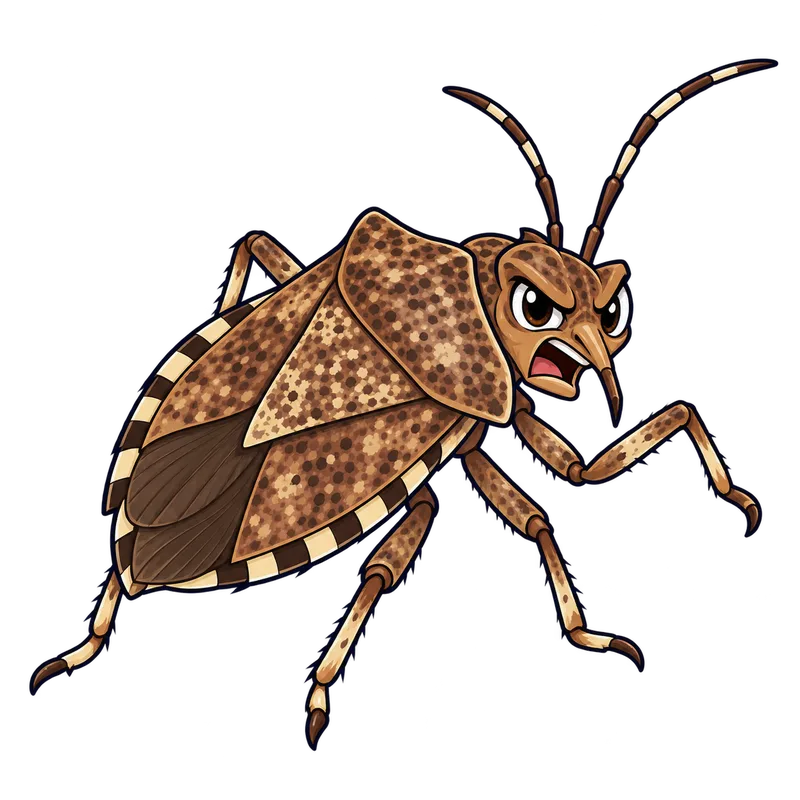
Stink bugs are common in Washington State because the local landscape provides an endless buffet of commercial tree fruits, backyard vegetables, and wild broadleaf weeds. When cool September days arrive, these strong fliers are naturally drawn to warm human structures to seek shelter and sleep away the winter.
What is actually going on
You walk out onto your back porch on a crisp September morning, coffee mug in hand, and notice what looks like a tiny, brown medieval shield clinging to the siding. A few minutes later, you spot another one near the window frame, and then a third. If you live in Washington State, this autumn gathering is a familiar, if unwelcome, seasonal ritual. Stink bugs seem to be everywhere, and your house is suddenly acting as their favorite winter hotel.
So why are they so common around here? The short answer comes down to a mix of geography, a very flexible appetite, and some stubborn survival instincts. Stink bugs, including both native species and the notorious invasive brown marmorated stink bug that arrived in North America back in the mid-1990s, thrive in Washington because the local landscape provides an endless buffet. They feed on everything from commercial tree fruits like apples and peaches to backyard tomato patches and wild broadleaf weeds growing along roadsides and fence lines.
Throughout the spring and summer, these insects treat the landscape like a bumper car track, flying easily from one food source to the next. They spend their days piercing plant tissues with specialized mouthparts that act like tiny juice straws, extracting sap and leaving behind damaged fruit. But once the first cool days of September arrive, their biological clock tells them it is time to stop feeding and start looking for shelter.
That migration is what brings them to your doorstep in such high numbers. Stink bugs are strong fliers, and they are naturally drawn to the warm, sun-baked vertical surfaces of human structures. When they congregate on exterior walls, they are searching for tiny gaps, cracks, and vents that lead to warm spaces where they can hunker down and sleep away the winter in a dormant state. They do not want to eat your furniture or chew on your clothes, and they certainly do not reproduce indoors. They just want a dry, heated room to ride out the cold months until spring calls them back outside.
How to tell for sure
If you want to know what you are looking at, the most obvious giveaway is the shape. Full-grown stink bugs usually measure about five-eighths of an inch long and feature a distinct five-sided, shield-like body. Depending on the exact species, they are usually brown, green, or mottled grayish-brown. When disturbed or crushed, they release a pungent, distinct odor from special scent glands on their thorax, which is how they earned their common name.
Female stink bugs usually lay barrel-shaped eggs in tightly packed clusters of twenty to seventy on the undersides of leaves. If you find these clusters on your garden plants during the growing season, you are usually looking at the next generation of garden visitors. Nymphs, which are the immature stages, look like smaller, wingless versions of the adults and often display contrasting splashes of red, black, or white.
You usually do not need special tools to spot the adults, but telling them apart requires a closer look. If you are trying to separate a destructive pest like the brown marmorated stink bug from a native species, you usually have to look for subtle markings like alternating light and dark bands on their antennae or tiny white tick marks along the edges of their abdomens. Sometimes, you even need a 10x to 20x magnification hand lens to check these fine details.
You also have to keep in mind that not all shield-shaped bugs in your garden are villains. Beneficial predacious species, such as the spined soldier bug, actually help gardeners by eating destructive caterpillars and beetle larvae. If you cannot tell whether the bug on your tomato plant is helping or hurting, you usually want to avoid making a hasty move until you can get a positive identification from a local agricultural extension office or entomologist.
What usually comes next
When you find a dozen stink bugs crawling across your living room ceiling in November, your first instinct might be to reach for a can of bug spray or grab a rolled-up magazine. But the most practical decision you can make at that moment is to put down the chemicals and pick up a vacuum cleaner.
Spraying standard insecticides inside your living quarters is usually unnecessary and counterproductive. Those bugs tucked behind your drywall are not eating your house, and flooding your living spaces with chemical residues creates needless exposure for your family and pets. If you squash them against the wall or smash them with a shoe, you will instantly trigger their defensive scent glands, leaving behind a foul odor that lingers in the room for hours.
Instead, use a vacuum cleaner with a disposable bag or catch-cup to gently remove them from the walls and windows. Just remember that the vacuum bag will capture that defensive smell, so you will want to empty it promptly. To stop the problem before it starts next year, the real work happens outside. Before the first week of September rolls around, take time to seal exterior cracks around windows, doors, and utility pipes with caulk, and make sure your window screens are tightly fitted and free of tears. Stopping them from getting inside in the first place saves you from having to chase them down indoors all winter long.
When to get help
While most encounters with stink bugs involve a few dozen nuisance visitors clinging to a sunlit wall, certain situations require outside help.
If you are managing a commercial orchard, a large nursery, or a heavy agricultural operation in Washington State, high-canopy pest management goes far beyond do-it-yourself measures. That is the time to bring in a licensed commercial applicator or consult the regional pest management handbooks produced jointly by Washington State University, Oregon State University, and the University of Idaho Extension. Commercial growers often need specialized equipment and timing strategies that respect strict environmental boundaries and pre-harvest intervals.
You should also involve a professional pest control operator if you are dealing with a massive structural infestation where thousands of bugs have successfully penetrated complex building envelopes or wall voids in a way that residential tools cannot handle.
On the health side of things, it helps to know what these insects can and cannot do. Stink bugs do not sting, they do not bite humans, and they do not transmit human diseases. However, if you or someone in your household ever experiences unusual skin reactions, rashes, or symptoms of illness that you suspect might be linked to insect contact or accidental pesticide exposure, do not guess at a diagnosis. Contact a qualified healthcare clinician, an urgent care facility, or your regional Poison Control Center right away.