
Are kissing bugs found in Florida?
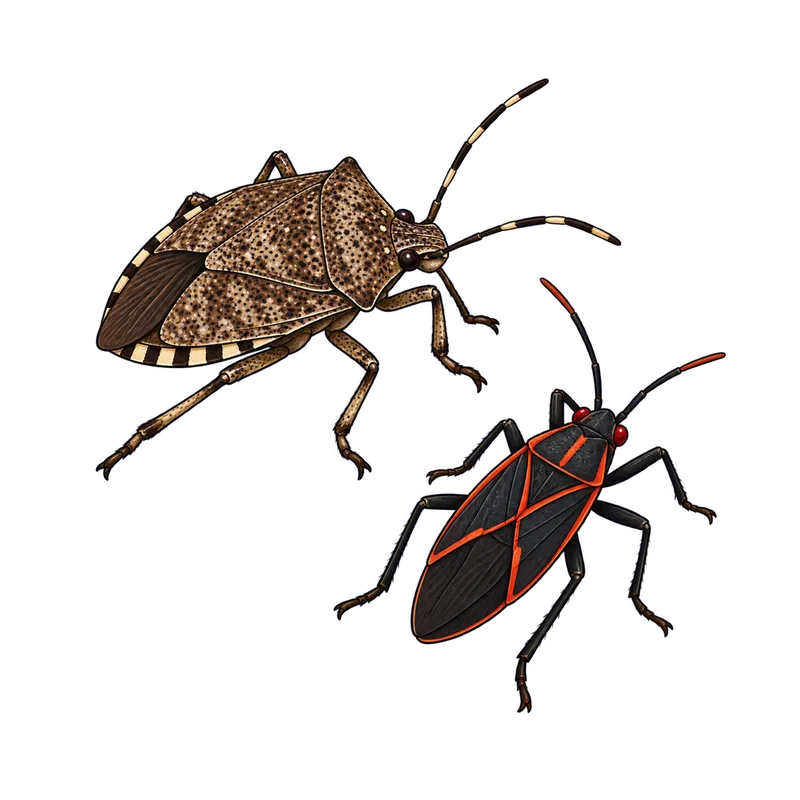
Yes, kissing bugs are native to and established in Florida, along with a good portion of the southern United States. These insects measure between one-half and one and one-quarter inches long, featuring an elongated head and a flattened oval body.
What is actually going on
You are sitting on the porch on a warm summer evening, sipping iced tea, when a dark, substantial insect thuds against the screen door and settles right next to the porch light. You lean in for a closer look, spot its reddish markings, and suddenly remember reading something alarming online about kissing bugs and tropical diseases. Naturally, you want to know if you need to panic right here in Florida. The short answer is yes, kissing bugs are native to and established right here in Florida, along with a good chunk of the southern United States.
Before you start sealing every window with industrial foam, it helps to understand what these insects actually are and how they behave. Entomologists call them triatomine bugs, and the main species roaming around the eastern and southeastern United States is the eastern cone-nose bug. They spend their days hiding out in dark, protected microhabitats like brush piles, woodpiles, animal burrows, or beneath cracked concrete, waiting for nightfall.
Because they are nocturnal and heavily attracted to artificial lights, they occasionally wander onto porches or slip through gaps into homes during the warmer months, usually from May through October. Finding a single adult bug near an outdoor light on a humid night is often just a lost traveler drawn away from a nearby oak tree or pile of firewood, rather than a sign that a major colony has moved into your living room.
The real concern surrounding these insects involves Chagas disease, a clinical infection caused by a microscopic parasite. While a significant percentage of wild kissing bugs in the southern states carry this parasite, vector-borne transmission to humans in the United States remains exceptionally rare. North American species typically have a delayed defecation habit, meaning they rarely drop infectious waste right while feeding. Instead, they usually wander off before evacuating, which drastically cuts down the chance of anyone getting sick.
How to tell for sure
People often assume any bug with dark coloring and orange stripes on its back is a kissing bug, but Florida hosts plenty of harmless look-alikes that share that exact description. Leaf-footed bugs feed strictly on plants and usually feature wide, flattened expansions on their hind legs that look like tiny leaves. Predatory assassin bugs have a short, thick, curved beak designed for piercing other insects rather than drinking blood, and they can deliver a sharp defensive pinch if you try to pick them up.
A genuine kissing bug usually measures between one-half and one and one-quarter inches long, featuring an elongated, cone-shaped head and a flattened oval body. If you pull out a hand lens, look closely at the mouthparts tucked beneath the head. The true triatomine possesses a slender, straight beak that stays flat against its underside, unlike the heavy, curved beak of its predatory cousins. Its legs are thin and uniform throughout, lacking the swollen joints or heavy spines found on other look-alikes.
You should never try to identify a pest by looking at a skin mark or a bite photograph, as human reactions vary wildly from nothing at all to massive swelling and hives. A physical specimen is strictly required for confirmation. If you find a wingless nymph inside your home or discover them tucked inside an outdoor dog kennel, that usually points toward a localized breeding site rather than an isolated outdoor visitor.
What usually comes next
When you spot one of these insects near the house, the smartest move is keeping your hands to yourself instead of reaching for a spray can or swatting it with a magazine. Crushing a kissing bug can release its insides and any parasite-carrying waste, which raises your risk of exposure if you happen to have a tiny scratch on your skin.
Instead, pull on a pair of disposable gloves or turn a zip-top plastic bag inside out over your hand, gently guide the bug inside, and seal it up tight. Wipe down any surface the insect touched using a basic mix of household bleach and water, and scrub your hands well when you finish. You will not find any grocery store sprays made exclusively for kissing bugs, so keeping them out by fixing window screens, turning off bright porch lights, and caulking cracks in the foundation does far more good than randomly spraying chemicals around your yard.
If you happen to find multiple bugs or wingless young ones crawling around indoors, your best bet is calling a licensed pest control professional who knows how to seal up a house safely. Dogs are actually much more vulnerable than we are if they stay in outdoor kennels, since curious pups love to snap at bugs on the dirt and occasionally swallow them, making a quick trip to the vet necessary if your dog acts sluggish after being outside.
When to get help
There are moments when finding a bug turns into a situation where you need medical or professional help right away. The proteins in kissing bug saliva can spark severe allergic reactions in some people, bringing on sudden hives, swollen features, wheezing, or trouble catching your breath. If anyone in the house shows signs of a severe allergic reaction after a bite, treat it like an emergency and call for help immediately.
If you think a bug bit you near your eyes or mouth, or if you accidentally handled one bare-handed and worry about exposure, skip the internet research and talk to a healthcare professional. A doctor or an urgent care clinician can look at the situation and decide if any blood tests are actually needed. For persistent problems around the property or repeated indoor visits, leave the treatments and inspections to a licensed pest management technician who follows state rules.