
Are kissing bugs found in California?
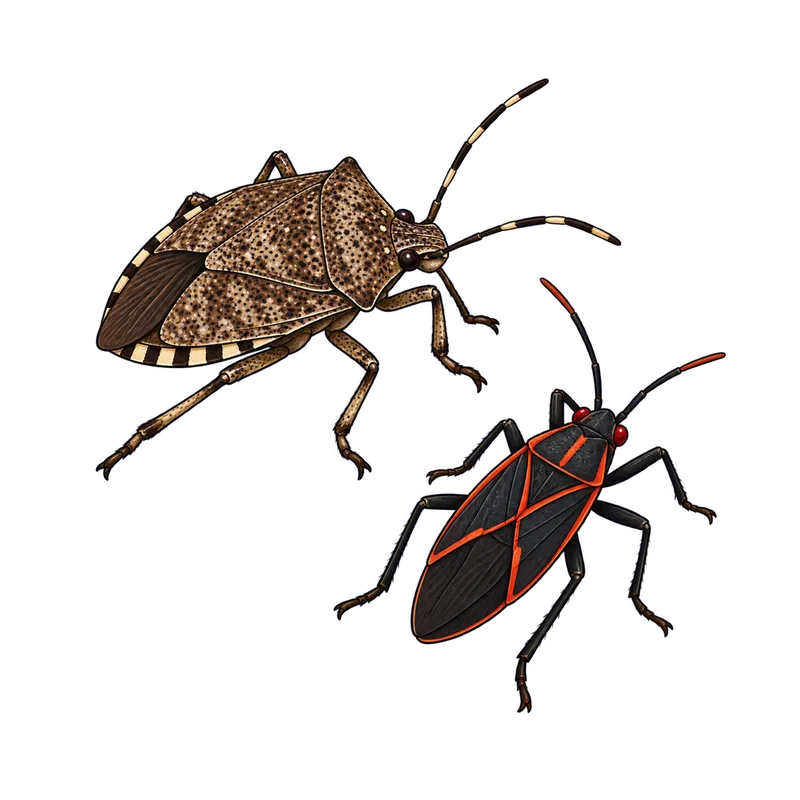
Yes, kissing bugs are found in California, living wild in foothill and mountainous environments. These native insects, specifically known as western conenose bugs, measure roughly between half an inch and an inch long. They are completely native to the state, where they share nests with woodrats and other native mammals.
What is actually going on
Picture a warm summer night in July. You are sitting on the porch, enjoying the quiet after a long day, with the outdoor lights humming softly above the door. A large, dark insect, roughly the length of a quarter, flies in from the nearby chaparral and lands on the screen door. If you live in the foothill or mountainous areas of California, that visitor might well be a kissing bug, specifically the western conenose bug. The short answer to whether these insects are found in California is yes. They are completely native to the state, living wild in foothill environments where they share nests with woodrats, raccoons, and other native mammals.
This usually leads to a wave of panic when people read about the parasites these bugs can carry. After all, kissing bugs are infamous for vectoring the organism that causes Chagas disease. Yet finding one on your porch does not mean you are facing an immediate health crisis. In California, the local insects operate differently than their notorious relatives down in Latin America. South American species tend to defecate right on the host while feeding, which readily spreads infection. Our native California species usually waits until it has crawled away from the host long after feeding is finished. That behavioral quirk is a major reason why locally acquired human cases of Chagas disease remain exceptionally rare across the state, even though field tests show a significant percentage of wild bugs carry the parasite.
At the same time, dismissing them entirely is a mistake because of a different risk. The saliva of these bugs contains proteins that can trigger intense, severe allergic reactions in sensitized people. While the bite itself is painless and often goes unnoticed, a repeat encounter can push some individuals toward systemic anaphylaxis. The bugs are not hunting you down or trying to colonize your mattress like bed bugs. They are outdoor creatures that happen to fly toward porch lights on warm nights and occasionally slip through unsealed gaps beneath doors or torn window screens.
How to tell for sure
If you spot a suspicious bug on the wall, you need to look at its physical traits before drawing any conclusions. Adult western conenose bugs usually measure between half an inch and an inch long. They have flat, oval, dark brown or black bodies with a distinct, cone-shaped head and a straight needle-like beak tucked flat underneath. Some specimens even sport a faint yellowish or light brown border along the outer edges of the abdomen. They are much larger than typical bed bugs, which look like apple seeds, and they lack the bright red or orange stripes found on kissing bug species native to the south-central United States.
You should never try to identify a kissing bug from a skin mark or a photograph of a bite. Bite lesions on human skin are notoriously non-specific. A red bump or itchy welt could come from a spider, a mosquito, or a harmless native insect, and no one can name the culprit just by looking at a rash.
You also want to rule out harmless look-alikes. Predaceous assassin bugs and wheel bugs have much thicker, curved beaks used to impale other insects, and while their bites hurt instantly, they do not carry Chagas disease. Leaf-footed bugs have wide, flattened sections on their hind legs that look like little leaves, and they only feed on plants. If you want to know what you are looking at, you usually have to examine the actual insect specimen under good light.
What usually comes next
When you find one of these insects inside your house, your first move is safe handling. Never smash or squish a kissing bug with your bare hands or a shoe. Crushing the bug can release internal fluids and gut contents onto your skin or furniture. Instead, put on a pair of gloves or slide your hand inside an inverted plastic bag, pick up the insect gently, and seal it shut inside that bag or a rigid container.
Once you secure the bug, clean any hard surfaces it touched with a basic household bleach solution. If you need to keep the specimen so local health officials can identify or test it, drop the sealed bag into the freezer for a few hours.
To keep more bugs away, treat the issue as routine draft-proofing instead of waging a chemical war. Since these insects fly at night and love bright outdoor lights, swap your porch bulbs for yellow insect-resistant LEDs, or just turn off the lights when you stay inside. Walk around your yard and move heavy brush piles, rock debris, and firewood stacks well away from your foundation, leaving at least twenty feet of open space near exterior walls. Seal up gaps beneath doors with tight door sweeps, fix torn window screens, and caulk utility holes where pests could sneak inside.
When to get help
Sometimes a casual pest encounter turns into a situation that demands outside expertise. If anyone in your house suffers a suspected kissing bug bite followed by trouble breathing, swelling around the lips, tongue, or throat, dizziness, or widespread hives, treat it as a medical emergency and call for help immediately. Anyone living in foothill areas who knows they react badly to insect bites should talk to a doctor about keeping an emergency epinephrine auto-injector on hand.
If you have ongoing trouble with wild rodents nesting under crawlspaces, outbuildings, or porches, you need professional backup. Woodrats and other native mammals serve as the primary hosts for these bugs and their parasites, and because state and federal laws protect certain wildlife, handling those nests safely requires certified exclusion methods.
When you want a thorough check of your home perimeter, structural sealing, and tailored pest management, call a licensed pest control operator. If you have specific health worries about potential parasite exposure or strange symptoms like lingering eyelid swelling after spending time near native rodent habitats, talk to your doctor or local public health department for proper advice and testing steps.