
How can you keep stink bugs out of the house?
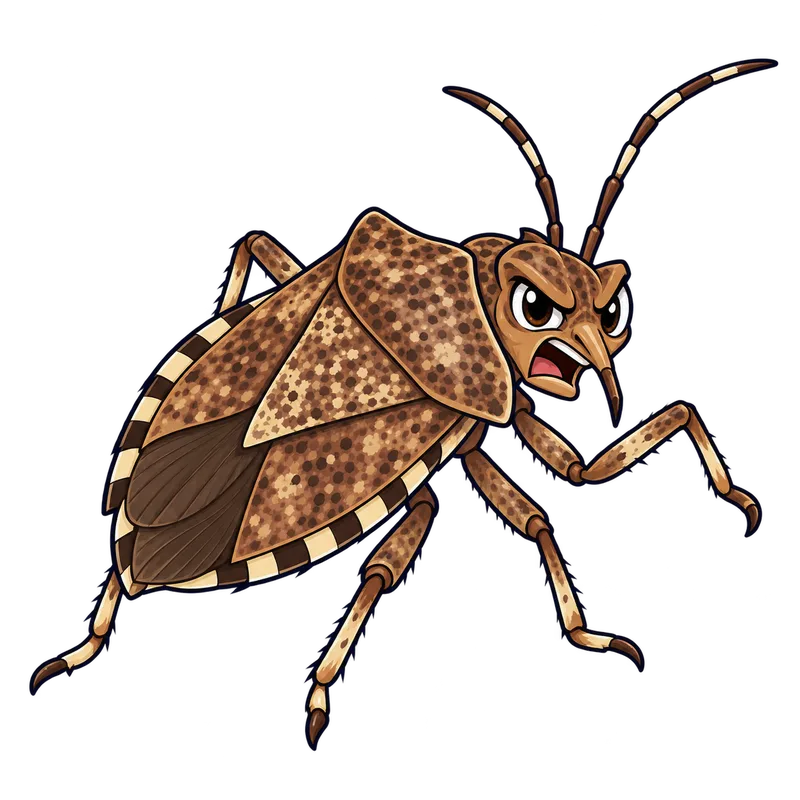
You can keep brown marmorated stink bugs out of the house by sealing off their entry points before September. The timing depends on the weather, as a biological trigger sends the insects toward sun-warmed buildings when the first cool autumn night hits. To succeed, you must caulk gaps around windows and seal utility penetrations in July or August.
What is actually going on
You walk into the living room on a crisp Tuesday morning in October, coffee mug in hand, and notice what looks like a stray oak leaf clinging to the white curtain. Except the leaf has six legs, a distinct five-sided shield shape, and starts buzzing like a miniature drone the moment you get close. It is a brown marmorated stink bug, and it did not hatch inside your house. It moved in from the yard, having spent the entire summer happily chewing holes in your garden tomatoes and fruit trees.
Keeping these invaders out of the house does not rely on mysterious tricks or overnight miracles. The main answer comes down to timing and physics. You have to seal off their entry points before the calendar flips to September, because once the first genuinely cool autumn night hits, these bugs experience a biological trigger that sends them en masse toward sun-warmed building facades. They are not looking to eat your drywall or lay eggs in your carpets, as they only want a dark, dry cavity like a wall void or an attic to sleep through the winter.
You might wonder why you cannot just spray the baseboards and call it a day. The reality is that indoor chemical treatments do little good once the insects are already settled inside your walls. Trying to spray them after the fact usually leads to frustration, while sealing up their doorways after they have moved in simply traps them inside the living space. The entire strategy has to happen on the outside, and it has to happen before the weather turns.
The primary culprit behind mass autumn invasions is the brown marmorated stink bug, an invasive species usually measuring about five-eighths of an inch long with a mottled brown, shield-like body. If you flip one over, you will usually spot distinct alternating light and dark bands on its antennae and along the edges of its abdomen. They are clumsy flyers, producing a loud buzzing sound that often gives away their presence long before you see them crawling slowly across a wall or ceiling.
How to tell for sure
People often confuse them with native stink bugs, such as the green stink bug or the brown stink bug, which tend to stay outdoors and rarely attempt to winter in your living room in large swarms. You might also spot beneficial predators like the spined soldier bug in your garden, which looks similar but actually helps control plant-eating caterpillars instead of damaging crops or invading homes. Another common point of confusion involves look-alike nuisance pests like boxelder bugs or Asian lady beetles. These insects share the same seasonal habit of gathering on south-facing exterior walls when the temperature drops, but they belong to entirely different families. Correct identification usually matters because you want to avoid destroying beneficial predatory insects in the garden while knowing exactly which overwintering aggregations require you to grab a tube of caulk.
What usually comes next
Faced with the prospect of hundreds of bugs gathering on your siding, your best practical decision is to choose between committing to a strict physical exclusion routine in late summer or hiring a licensed professional to handle a targeted perimeter treatment right at the start of September. If you prefer the hands-on approach, your main task involves walking the perimeter of your house in July or August to caulk every gap around window frames, seal utility penetrations, and repair torn window screens.
Waiting until October to start caulking is usually a waste of time, as the bugs will already be tucked away inside. If your home has a history of severe invasions or multiple high gables that are difficult to reach with a ladder, bringing in a licensed pest control operator for a professional outdoor barrier application during the first week of September makes the most sense. These professionals use specific formulations, such as indoxacarb or bifenthrin combined with acetamiprid, designed to intercept crawling insects before they find tiny structural faults.
Whichever route you choose, keep in mind that indoor control is purely mechanical. When individual stragglers manage to slip past your defenses and end up on your curtains, skip the indoor bug spray and simply scoop them up with a broom and dustpan or suck them up with a vacuum cleaner. Just remember that vacuuming them causes the machine to absorb their defensive odor, leaving a lingering, unpleasant smell in the room whenever you turn the vacuum back on.
When to get help
Stink bugs do not bite humans, do not feed on blood, and do not cause structural wood damage, so an occasional indoor sighting does not constitute an emergency. However, certain situations call for outside help. You should involve a licensed professional pest control operator if you are dealing with a large multi-story structure, high gables requiring specialized safety equipment, or if local regulations and the severity of the infestation warrant professional-grade exterior perimeter treatments.
If you decide on chemical treatments, always remember that outdoor perimeter applications are strictly regulated. Professionals must follow strict environmental rules that prohibit spraying pesticides on concrete sidewalks, driveways, or hard surfaces where storm runoff can carry active ingredients into local waterways. Furthermore, applications cannot occur when honeybees or bumblebees are actively foraging on nearby flowering plants.
On the health side, while these bugs do not transmit pathogens, crushing them directly against your skin can sometimes cause mild localized irritation from their defensive secretions. If you or someone in your household experiences an unexpected allergic reaction, skin rash, or accidental exposure to concentrated pesticide products, contact a healthcare clinician, your local urgent care facility, or the regional Poison Control Center right away for guidance.