
Why are there so many stink bugs in my house?
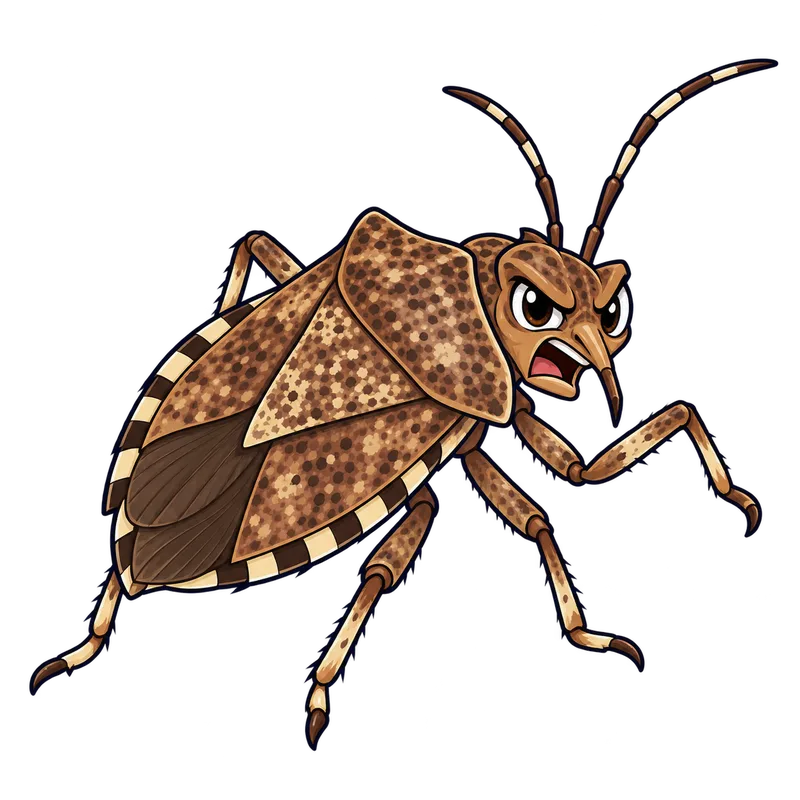
Adult stink bugs enter houses in the autumn because cooler September temperatures drive them to search for warm, protected cavities to wait out the winter. They slip through narrow gaps as thin as a thick letter, settling into wall voids until indoor heating or winter sunbeams wake them up.
What is actually going on
You walk into the living room on a crisp October morning and spot a large, armor-plated bug crawling across your sheer curtains, and then another one on the baseboard, and a third buzzing against the window glass. It feels like an overnight invasion. The reason you are suddenly sharing your home with dozens of these creatures is that autumn has arrived, and your house looks like a luxury resort to them.
What you are seeing is an overwintering behavior driven entirely by the calendar and the outdoor temperature rather than anything happening inside your kitchen. As soon as the first cool days arrive in September, adult stink bugs stop feeding on garden plants and orchards. They look for massive, sun-warmed vertical surfaces to soak up late-afternoon heat, much like sunbathers lounging on a patio.
Because southern and western exterior walls hold that solar warmth the longest, these bugs gather on them by the hundreds. Once they finish warming up, they start searching for dark, protected cavities to wait out the freezing winter months.
They are remarkably flat and shaped like a five-sided shield, which means they can slide through narrow gaps as thin as a thick letter dropping into a mail slot. They slip behind siding, under loose shingles, through old window frames, and around attic vents.
Once they find a quiet wall void or unheated storage space, they settle in for a long dormant sleep called diapause. They do not eat, they do not reproduce, and they do not chew on your wooden framing or drywall.
The trouble starts when your home heating kicks on or a stray warm winter sunbeam heats up those wall voids. The warmth tricks the dormant bugs into thinking spring has finally arrived. Groggy and confused, they wake up and wander out of electrical outlets, baseboard gaps, and recessed lights, ending up right in your living space.
How to tell for sure
If you are wondering what you are actually looking at, adult stink bugs are usually about five-eighths of an inch long and have a distinct, broad shield shape. In North America, the heavy indoor invasions you get in the fall are usually the brown marmorated stink bug, an invasive species with subtle mottled brown and gray coloring.
You might also spot native species, such as the green stink bug or the brown stink bug, though they tend to stay outdoors more often than their invasive cousins. A helpful distinction to keep in mind is that beneficial predatory species, like the spined soldier bug, eat garden caterpillars and rarely try to move into your house for the winter.
People often worry these bugs are going to bite or damage their property, but you can usually relax on that front. Stink bugs possess piercing-sucking mouthparts built exclusively for drinking plant sap from tomatoes, peppers, and tree fruits. They lack the jaws required to chew wood or fabrics, and they do not possess stingers or biting mouthparts capable of harming humans or pets.
The only real weapon they carry is a pair of scent glands on their abdomen. If you handle them roughly or squash them, they release a volatile chemical that smells distinctly like pungent cilantro or earthy musk.
What usually comes next
When you find a dozen slow-moving bugs sharing your living room, your first instinct is to figure out how to get them out without ruining the air quality. Smacking one with a rolled-up magazine or stepping on it feels satisfying for a second, but the pungent odor will linger in the room for hours.
Instead, your best bet for indoor control is physical removal using a vacuum cleaner so you can scoop them up quickly and keep your hands clean.
There is a catch you need to keep in mind, though, because sucking stink bugs through a standard vacuum cleaner causes the machine to agitate and crush them inside the warm housing, which forces their defensive scent right through the exhaust and fills your house with that heavy musk.
If you use a vacuum, make sure it is a shop-style vacuum or a machine that uses a disposable bag, and empty that bag outdoors immediately afterward. Alternatively, you can gently sweep them into a jar filled with soapy water where they will sink and drown without releasing their odor into the room.
Long-term management requires looking outward rather than inward. Because these insects are already safely tucked inside your wall voids from the previous autumn, spraying liquid insecticides inside your living areas will not solve the problem.
The only reliable way to stop next year's invasion is sealing up exterior gaps before September arrives. That means caulking cracks around window sashes, repairing damaged door sweeps, and screening attic vents with fine mesh long before the first cool breeze blows through the trees.
When to get help
Most stink bug invasions are a severe household nuisance rather than an emergency, but certain situations call for outside help. If the entry points are on high rooflines or structural areas that are physically unsafe for you to reach with a ladder, you should bring in a professional pest control operator who has the proper equipment to seal high-level gaps and apply targeted exterior treatments.
If you decide to use chemical barrier treatments around the perimeter of your home, timing is everything. These applications generally need to be applied during the first week of September to intercept the bugs before they crawl inside, and they must strictly follow the product label instructions.
Never apply perimeter sprays to hard concrete surfaces, driveways, or walkways where rainwater can wash the chemicals straight into storm drains and local waterways. Never spray blooming plants or areas where active pollinators are present, either.
If you or a family member experience accidental pesticide exposure, skin irritation, or eye contact during treatment, stop what you are doing and follow the first aid directions on the product label. Flush eyes with clean water for fifteen to twenty minutes if exposure occurs, and contact your local clinician or Poison Control at 1-800-222-1222.
If household pets manage to chew on treated materials or show signs of distress after coming into contact with strong insecticides, contact your veterinarian immediately or reach out to the ASPCA Animal Poison Control Center for guidance.