
Are stink bugs invasive?
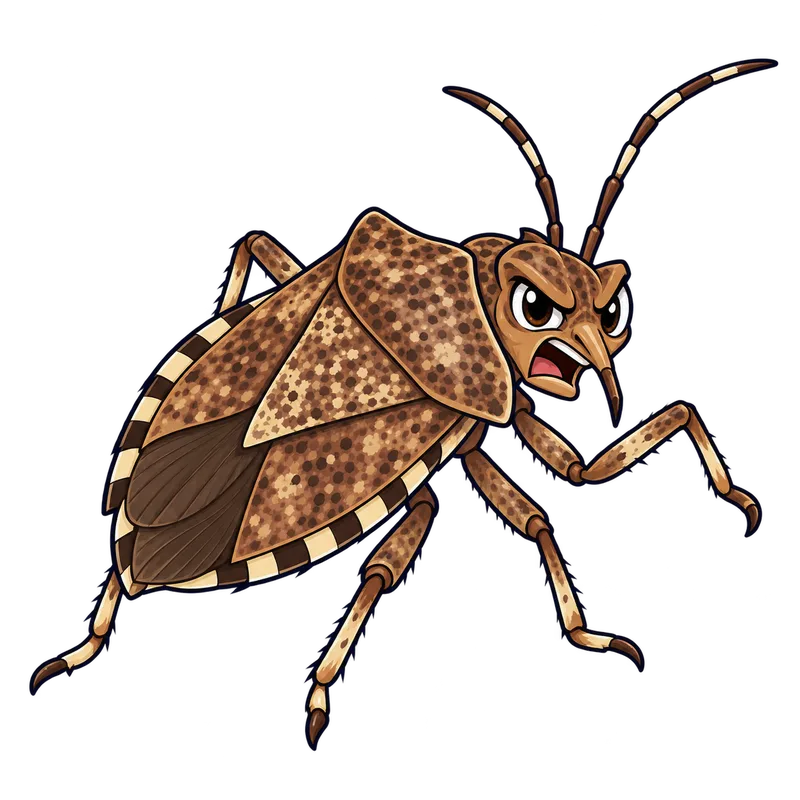
Yes, some stink bugs are invasive, but far from all of them. When people talk about invasive stink bugs, they usually mean the Brown Marmorated Stink Bug, which hitched a ride from East Asia and was first officially spotted in eastern Pennsylvania in 1996. North America also has plenty of native species that are indigenous pests rather than foreign arrivals.
What is actually going on
You walk out onto your porch on a crisp September morning, reach for your coffee mug, and notice a brownish, armor-plated bug sitting right beside the handle. When you nudge it with a twig, a sharp, pungent odor fills the air, and the insect plop-drops into the grass. Naturally, you wonder what kind of unwelcome guest just moved in and whether the neighborhood is suddenly under siege by a foreign invader.
The short answer is yes, some stink bugs are invasive, but far from all of them. When people talk about invasive stink bugs, they usually mean the Brown Marmorated Stink Bug. This particular species hitched a ride from East Asia and was first officially spotted in eastern Pennsylvania in 1996. Without its native predators around to keep numbers in check, it multiplied quickly, spread across much of the country, and earned a reputation for both damaging orchard crops and treating human houses like a winter hotel.
At the same time, labeling every single stink bug as an invader misses a large chunk of local ecology. North America has plenty of native stink bug species that have been part of the local landscape for generations. They might munch on your garden tomatoes and fruit trees, but they are indigenous pests rather than foreign arrivals. To complicate matters further, not every member of the family is a villain. Some native species actually earn their keep by hunting down and eating destructive garden pests like caterpillar larvae and beetle grubs. So while the family as a whole gets a bad name for its odor and appetite, the invasive label only fits specific imported troublemakers.
Stink bugs belong to the family Pentatomidae, a group of true bugs characterized by a distinct five-sided body shape that looks remarkably like a miniature medieval shield. When summer transitions into autumn, the behavior of these insects shifts dramatically. In the warmer months, they operate as dispersed sap-feeders in fields, gardens, and orchards, using their piercing mouthparts to extract cellular fluid from plants. This feeding process causes specific cosmetic damage, such as sunken dimples on tree fruit and cloudy white blemishes on tomatoes.
As soon as the first cool days arrive in September, the Brown Marmorated Stink Bug undergoes a physiological shift. Instead of feeding, adults begin searching for sheltered places to survive the winter. They congregate on sun-exposed exterior walls of homes and outbuildings, treating tiny cracks and gaps around siding like an open-door hotel. Once inside wall voids or attics, they remain mostly dormant until indoor heating tricks them into thinking spring has arrived, causing them to wander clumsily into living spaces.
This seasonal cycle explains why you rarely notice them indoors during July, yet find them crawling across your living room rug in autumn. Their survival strategy relies on mass aggregation, which unfortunately brings them into direct conflict with homeowners. While native species also seek shelter outdoors under bark or leaf litter, the invasive variety frequently targets human structures on a massive scale.
How to tell for sure
Figuring out what you are looking at usually comes down to a few physical details you can spot without any laboratory equipment. Most adult stink bugs grow to about five-eighths of an inch long and share that distinctive five-sided shield shape. If you flip their eggs over on the underside of a garden leaf, you will usually find them laid in tight, barrel-shaped clusters containing twenty to seventy eggs.
When you want to separate the invasive Brown Marmorated Stink Bug from native lookalikes, you generally need to look closely at its markings. The invasive variety features faint white bands on its antennae and distinct alternating dark and light stripes along the outer edges of its abdomen. Native brown stink bugs usually lack those clean antenna bands and tend to have smoother side margins. If you spot a bright green adult, you are likely looking at the native Green Stink Bug, while a striking black-and-orange pattern typically points to the native Harlequin Bug.
Nymphs, which are the immature stages of these insects, usually lack fully developed wings and display contrasting color patterns that change as they grow. When an exact identity matters for agricultural record-keeping or official reporting, a specialist will typically examine the specimen under magnification or preserve it in seventy percent isopropyl alcohol for confirmation by an extension entomologist.
What usually comes next
Once you realize that an invasive stink bug infestation is more of a seasonal migration than a permanent colony inside your walls, your main decision revolves around timing and physical maintenance. If you spot a few solitary adults crawling across your living room rug in autumn, your best bet is usually to pick them up gently or sweep them into a container of soapy water. Avoid the temptation to vacuum them up unless you want your machine to exhaust a stubborn, skunk-like defensive odor every time you turn it on for weeks.
If you are trying to keep them out of the house in the first place, your window of action opens well before the weather turns freezing. Stink bugs seek shelter inside buildings as soon as the first cool days of September arrive. That means your practical focus should be on physical exclusion. Take an afternoon in late summer to caulk gaps around window frames, seal utility penetrations, and repair torn screens before the bugs ever reach your siding.
Waiting until late autumn to deal with indoor intruders usually leads to frustration. Outdoor perimeter sprays applied during the first week of September can help reduce the number of bugs that manage to slip inside, but they rarely stop every single one. If you choose to spray, you have to work within strict environmental boundaries. Laws prohibit applying pesticides where rain runoff can wash chemicals into local groundwater, and you must never spray plants when pollinators are actively visiting them.
When to get help
Most home encounters with overwintering stink bugs require nothing more than a broom, a bucket of soapy water, and some patience with caulk. However, certain situations cross the line into territory where you should hand the job over to someone else. If you manage a commercial orchard, run a large nursery, or face a massive tree canopy infestation that garden hoses and DIY methods cannot touch, you should bring in an experienced commercial arborist or a licensed pest control applicator.
On the health front, stink bugs do not bite people, they do not sting, and they do not carry human diseases. Their only defense is that foul-smelling liquid, which can occasionally cause mild skin or eye irritation if you handle them roughly. If you or someone in your household experiences an unusual allergic reaction, severe irritation, or persistent symptoms after exposure to pest secretions, stop guessing and consult a medical clinician or contact your regional poison control center immediately.
Finally, keep your eyes open when poking around dark attics, crawlspaces, or unused outbuildings for overwintering insects. You might occasionally disturb wildlife that has nothing to do with bugs. Many bats, birds, and other vertebrates are legally protected under state or federal wildlife laws, and disturbing their nests or roosts can violate conservation statutes. If you find protected wildlife hunkered down in your structure, contact your local state or provincial wildlife agency rather than attempting to handle or remove the animals yourself.