
Are stink bugs toxic to cats?
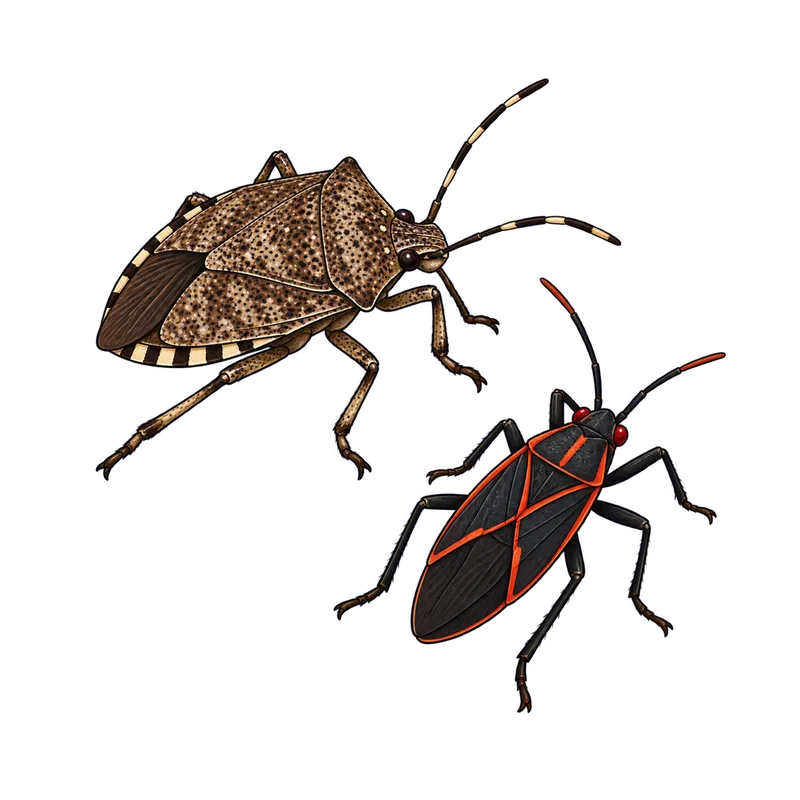
Stink bugs are not systemically venomous or lethally poisonous to cats, but eating or biting one releases bitter chemical fluids from the insect defensive glands. This unpleasant taste causes immediate oral irritation, heavy drooling, and head shaking that typically resolves on its own within fifteen to thirty minutes.
What is actually going on
Picture a quiet September evening in the living room. The furnace kicks on for the first time in months, and suddenly a chunky brown bug with a distinctive five-sided shape crawls out from behind the curtain, marching right across the pale rug. Your cat spots the movement instantly. A low chatter builds in the back of your cat's throat, followed by a sudden pounce, a crunch, and then absolute chaos. Your cat backs away shaking its head, mouth wide open, and starts drooling heavily onto the floor.
If you are wondering whether stink bugs are toxic to cats, the short answer is that the bug itself is not systemically venomous or lethally poisonous, but eating or biting one can still ruin your cat's evening. Stink bugs do not possess stingers or internal venoms that target feline biology. When a cat chomps down on a live bug, the danger comes from specialized defensive glands located on the insect. These glands release pungent, exceptionally bitter chemical fluids designed to deter predators.
That bitter blast triggers immediate oral irritation. Your cat is not suffering from a deadly systemic poison in that moment, but rather experiencing intense physical disgust and mucosal irritation. It is the feline equivalent of a human biting directly into a very bitter aspirin tablet or an unpeeled lemon rind. You will usually see profuse drooling, pawing at the mouth, head shaking, and sometimes a single episode of mild vomiting as the cat tries to clear the foul taste from its system.
The real toxicological trap happens not from the bug, but from human intervention. Homeowners often spray chemical barriers around windows and foundations in the fall to keep pests out, or use broad-spectrum insecticides indoors. If a cat grooms paws that have walked through a fresh synthetic pyrethroid or organophosphate spray, or if a cat is accidentally exposed to dog flea treatments containing permethrin, the consequences shift from mild drooling to a severe, potentially fatal neurological emergency.
How to tell for sure
Before jumping to conclusions about what your cat swallowed, you usually want to confirm what kind of insect you are dealing with. The primary culprit invading homes across the United States is the brown marmorated stink bug, an invasive pest measuring about five-eighths of an inch long. They usually have a broad, shield-like body shape, mottled brown or grayish coloring, and distinct banded antennae. Native species like the green stink bug or the brown stink bug show up occasionally, sharing that same shield-like silhouette and piercing-sucking mouthparts built for plant sap rather than biting animals.
Distinguishing between minor insect irritation and actual chemical poisoning usually comes down to observing the symptoms closely. If your cat caught a single bug off the wall, the signs are typically sudden and short-lived. You will usually notice heavy drooling, watery frothing at the lips, and frantic head-shaking that resolves on its own within fifteen to thirty minutes as the bitter taste wears off.
Chemical pesticide poisoning looks entirely different and requires immediate attention. If your cat has absorbed or ingested a synthetic pyrethroid or an organophosphate from a treated surface or a misapplied flea product, the reaction will usually involve severe muscle tremors, whole-body twitching, uncoordinated walking, extreme lethargy, or even seizures. A cat that simply tasted a bug will be annoyed and slobbery, while a cat suffering from pesticide toxicosis will show progressive neurological distress that does not improve quickly.
What usually comes next
When you spot your cat drooling over a crushed bug on the carpet, the smartest move is keeping the chemical sprays in the garage and handling the situation by hand. Do not grab a can of heavy residual bug spray or a bottle of concentrated lawn treatment just because a few shield bugs found their way inside. Exterior perimeter treatments featuring active ingredients such as bifenthrin create a silent risk for curious cats that brush against the residue and ingest it while grooming.
Stopping these autumn invasions usually means blocking entry points before the insects gather on your exterior walls. Spend an hour on Saturday sealing gaps around window frames, patching torn door screens, and caulking utility penetrations before the first cold snap hits. Keeping bugs outside where your cat cannot hunt them removes the temptation entirely, saving you from needing indoor chemical treatments that put feline health at risk.
If you find stray bugs wandering across your living room, avoid squashing them because that crushes the defensive scent glands and spreads the foul-tasting fluid right where your pet will investigate. Trap them under an empty glass with a sturdy piece of paper, or pick them up with a damp paper towel and drop them into the outdoor trash. Vacuuming up a cluster from a window sill works too, but keep in mind that the exhaust will vent a powerful odor into the room, so using a bagless vacuum you can empty outside immediately makes a big difference.
When to get help
Most encounters with a single, untreated stink bug lead to temporary drooling that clears up on its own without needing a trip to the vet. Still, you should call a veterinarian right away if your cat starts showing signs of chemical poisoning, including muscle tremors, severe weakness, ongoing vomiting, or trouble breathing.
If you think your cat swallowed an insect that walked through garden pesticides, or if you need help with accidental exposure to dog flea treatments containing permethrin, call the ASPCA Animal Poison Control Center at 888 426 4435 or the National Pesticide Information Center at 800 858 7378 for urgent advice. Hotline calls might carry a consultation fee, but that expert direction is invaluable when chemical safety is on the line.
Always double-check any household chemical advice or pet symptom concerns with a licensed veterinarian. If your house faces a massive, overwhelming invasion of these insects that demands serious pest control work, bring in a licensed pest management professional and make sure they use pet-safe methods with strict, confirmed wait times before letting cats back into the treated areas.