
Why do stink bugs stink?
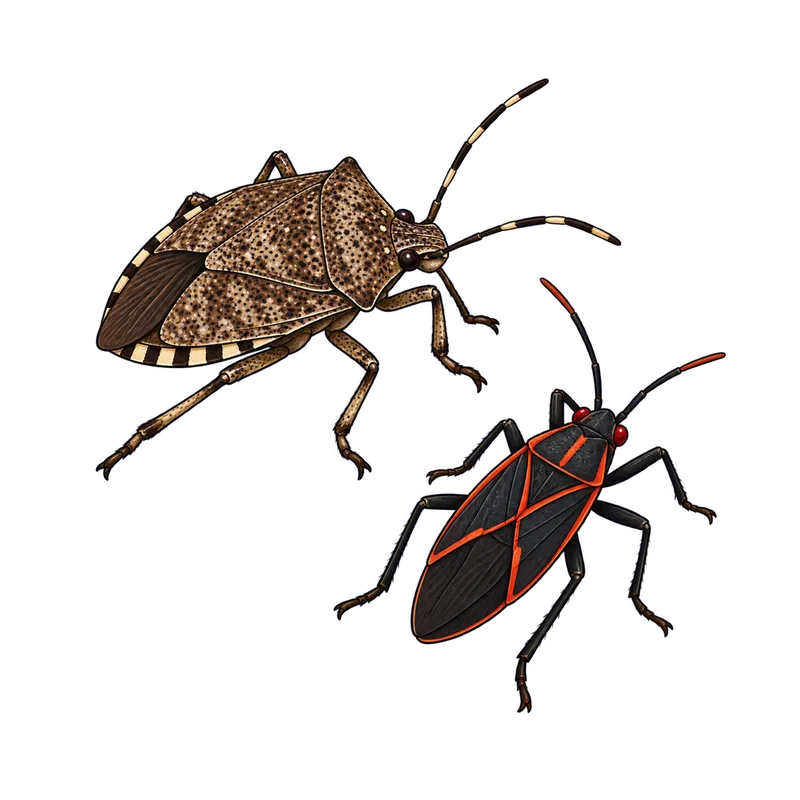
Stink bugs release a pungent aroma to ward off predators when they feel threatened or mechanically disturbed. This defensive chemical discharge happens automatically if the insect is squeezed, handled, or sucked into a vacuum cleaner.
What is actually going on
You are walking through the living room on a crisp October afternoon, minding your own business, when you spot a strange, five-sided brownish insect crawling slowly across the rug. It looks like a little armored shield. Without thinking, you grab the nearest vacuum cleaner hose and suck it right up. A few seconds later, a pungent, overwhelmingly sharp aroma fills the room, reminding you of bruised cilantro mixed with something chemical and foul. You check the vacuum canister, realizing you just turned a household appliance into a very efficient odor dispenser.
Stink bugs stink because they are releasing a specialized chemical defense mechanism to ward off predators. When these insects feel threatened, squeezed, handled, or mechanically disturbed, they open specialized scent glands and discharge volatile organic compounds into the air. Think of it as a miniature biological alarm system or a chemical flag that basically tells hungry birds, lizards, or inquisitive humans that eating them will be a thoroughly unpleasant experience.
This defense is entirely involuntary and automatic whenever the bug undergoes physical trauma. That explains why you rarely smell a stink bug when it is simply sitting quietly on a windowsill or munching on a tomato leaf outside. It only unleashes its signature scent when agitated. Unfortunately, modern housekeeping habits tend to trigger this exact reaction. Sucking them into a vacuum cleaner or accidentally stepping on one applies enough mechanical pressure to rupture or stimulate those scent glands, which forces the chemical cocktail straight into the surrounding air.
You might wonder why evolution settled on such an anti-social trait if it makes them such annoying houseguests during autumn. In the wild, that pungent cloud is remarkably effective at driving away small predators that might otherwise make a meal of a slow-moving, defenseless insect. While it fails to deter a vacuum cleaner or a homeowner wielding a paper towel, it works well enough against natural forest foragers to keep the species thriving across North America and beyond.
Recognizing a stink bug usually comes down to its distinct geometry and seasonal behavior. Adult stink bugs typically measure about 5/8 inch long and feature a distinct, five-sided body shape that looks remarkably like a medieval knight's shield. Their coloration varies depending on the specific type, ranging from mottled shades of brown and gray in the invasive brown marmorated stink bug to bright, vibrant green in native species. They also possess piercing, sucking mouthparts tucked neatly beneath their bodies, which they use to feed on plant sap and fruit tissues.
You will usually find them congregating in large numbers on the sun-lit exterior walls of houses as soon as the weather turns cool in September. This autumn aggregation behavior is your biggest clue that you are dealing with overwintering pests rather than random summer insects. They seek out warm, protected spaces such as wall voids and attics to survive the winter months, often sneaking indoors through tiny gaps around window frames and utility pipes.
People often confuse stink bugs with other insects that share a similar shield-like silhouette, such as leaffooted bugs or various seed bugs. However, leaffooted bugs usually display noticeably flattened or leaf-like widenings on their hind legs, which real stink bugs lack entirely. You also want to keep an eye out for beneficial look-alikes in the garden, such as the spined soldier bug. This predatory pentatomid looks very similar to plant-feeding stink bugs, but it actively hunts down destructive garden pests like beetle larvae and caterpillars instead of damaging your crops.
How to tell for sure
Once you realize that crushing or vacuuming these insects releases that infamous odor, your next practical choice centers on how to remove them without turning your living space into a chemical zone. If you choose to use a vacuum cleaner anyway, you have to accept that the appliance will retain and emit the pungent scent for quite a while as the trapped bugs release their defensive secretions inside the bag or canister.
Instead of turning to power tools, the most reliable approach for managing indoor intruders involves gentle physical removal. You can scoop individual bugs into a small container, sweep them into a dustpan using a soft brush, or gently pick them up using a piece of tissue and drop them into a container of soapy water. This method prevents the sudden mechanical agitation that triggers the scent glands, keeping your indoor air clear of that cilantro-like stench.
Looking at the broader picture, the best way to handle an annual stink bug invasion happens long before they ever manage to crawl inside your living room. Physical exclusion remains your most effective defense against structural infiltration. Taking the time to seal, caulk, and plug exterior cracks, window gaps, door sweeps, and utility vents before the first cool autumn days arrive in September stops them from moving into your wall voids in the first place. Once they are already settled inside your walls for the winter, trying to spray chemicals indoors rarely solves the problem and often creates unnecessary exposure risks.
What usually comes next
Most encounters with stink bugs require nothing more than a dustpan, some patience, and a bit of weatherstripping. However, certain situations call for outside intervention. If large aggregations of insects manage to penetrate deep structural voids, attics, or ceiling drop spaces beyond the reach of basic hand removal and caulking, you should contact a licensed pest control operator. Severe structural infestations often require specialized equipment and professional knowledge to manage safely and effectively without damaging building components.
If you are a commercial grower or manage a large agricultural plot, widespread feeding damage indicates that economic injury thresholds have been exceeded. Look for classic symptoms like disfiguring cat-facing and corky white tissue on orchard peaches, white halo spots on tomatoes and peppers, or wart-like pimples on bean pods. When crop damage reaches this scale, consult an agricultural extension agent or a professional crop advisor to develop an integrated pest management strategy tailored to your region.
When to get help
On the health and safety front, direct exposure to stink bug secretions does not typically cause medical emergencies, but accidental pesticide misuse certainly can. If you or someone in your household experiences unusual skin irritation, respiratory distress, or allergic symptoms after handling heavy infestations or applying pest control products, seek medical advice from a clinician immediately. Furthermore, if you suspect accidental chemical exposure or ingestion, contact your local poison control center right away. Always remember that outdoor perimeter treatments must never be applied to concrete surfaces where storm runoff can carry chemicals into groundwater, nor should treatments be sprayed near flowering plants when pollinators are actively foraging.