
Are carpet beetle larvae found in cars?
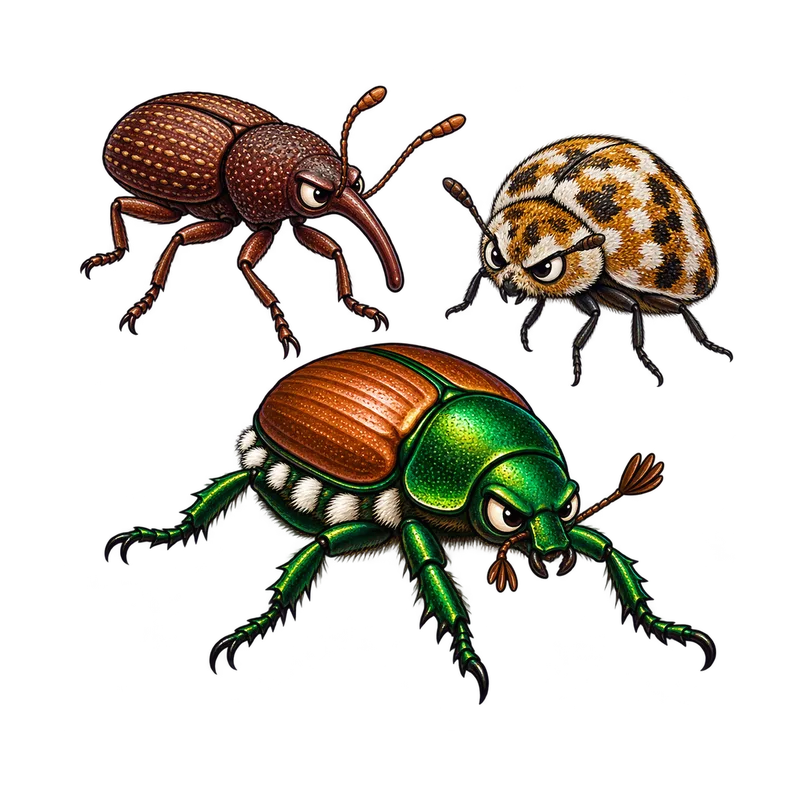
Yes, carpet beetle larvae are frequently found in cars because vehicle cabins collect organic debris like pet fur, hair, and food crumbs. Adult varied carpet beetles fly inside parked cars through open windows to lay eggs, and the resulting larvae feed on these materials.
What is actually going on
Drop a french fry between the driver seat and the center console on a road trip, forget about it for a month, and figure it will just turn to dust. Or maybe your golden retriever sheds enough fur across the back seat to knit a second dog every week. When you finally decide to clean out the car, you notice something unsettling tucked into the carpet fibers or crawling along the seat seams: tiny, fuzzy brown bugs that look like microscopic hedgehogs. You might wonder how anything could possibly survive and breed inside a motor vehicle, but carpet beetle larvae are frequently found in cars.
It turns out that your car interior is essentially a quiet, dark buffet that rarely gets disturbed. Carpet beetle larvae do not care about luxury or upholstery style. They care about organic debris. A vehicle cabin collects a steady rain of human hair, pet fur, skin flakes, wool fibers from your winter coat, lint, and food crumbs. These materials contain keratin, a tough structural protein found in animal hair and natural fibers that these insects rely on for food.
Authorities examining imported used vehicles often find that a surprising percentage test positive for Dermestid beetles, with the varied carpet beetle making up the vast majority of those findings. Adult carpet beetles feed outdoors on flower pollen during the warm months, but the females fly inside parked cars through open windows or doors to lay eggs in the dark. Once those eggs hatch, the larvae crawl into hidden spaces and start feeding on whatever organic accumulation is waiting for them.
How to tell for sure
You usually need a close look to know what you are dealing with, so grab a smartphone macro lens or a magnifying glass before you jump to conclusions. Carpet beetle larvae are small, usually measuring about one-eighth to a quarter of an inch long. Depending on the exact species, they typically look like fuzzy, oblong brown bugs or carrot-shaped crawlers with visible hair tufts and distinct stripes.
The most reliable sign of an infestation is not always a live bug. As these larvae grow, they shed their outer skins multiple times. You will usually find these hollow, bristly cast skins tucked into seat crevices, under floor mats, or along the edges of the carpet. You might also spot tiny fecal pellets that look like grains of salt.
One common misconception is that these bugs bite you while you drive. Carpet beetles do not bite or sting humans. However, those bristly hairs covering their bodies can cause contact dermatitis, which is a red, itchy rash that many people mistake for bed bug or flea bites. If you have been scratching mysterious bumps after riding in your car, shed larval hairs left behind in the upholstery are usually the real culprit.
What usually comes next
Your absolute best move right now is an aggressive, thorough vacuuming session focused on every hidden crevice in the vehicle. Pull the floor mats out, slide the seats all the way forward and back, and use a narrow crevice tool to dig deep into seat seams, seat belt receptacles, and the edges of the trunk.
A standard surface pass will not cut it because these larvae love to wedge themselves where suction barely reaches. Once you finish vacuuming, empty the vacuum canister or throw away the vacuum bag immediately in an outdoor trash bin. Leaving that debris inside your garage or house just gives the pests a new place to set up shop.
If you find removable wool blankets, custom seat covers, or fabric floor mats infested with larvae, you can kill them by sealing those items in a plastic bag and placing them in a household freezer for several days, or by washing them on a hot water cycle. Resorting to chemical sprays is rarely necessary unless the infestation has spread deep into the foam padding, and you should always check product labels carefully before applying any pesticide near seating surfaces.
When to get help
Sometimes a car infestation goes beyond what you can handle with a household vacuum and some elbow grease. If the larvae have burrowed deep into the vehicle headliner or the internal foam padding of the seats where you cannot reach them, it is time to call a professional pest control operator who has experience with vehicle treatments or commercial heat remediation.
If you are dealing with persistent skin rashes, severe itching, or respiratory irritation that feels like an asthma flare-up after spending time in your car, stop trying to diagnose the reaction yourself. Consult a qualified clinician, an urgent care provider, or poison control to get proper medical guidance on your symptoms.
Finally, if you have recently imported a vehicle from overseas and discover unusual, highly destructive pests like the Khapra beetle, you must report the find immediately to your national agricultural or biosecurity agency. Certain quarantine pests require strict government reporting and professional fumigation to prevent them from spreading into the local environment.