
How do you get rid of red flour beetles?
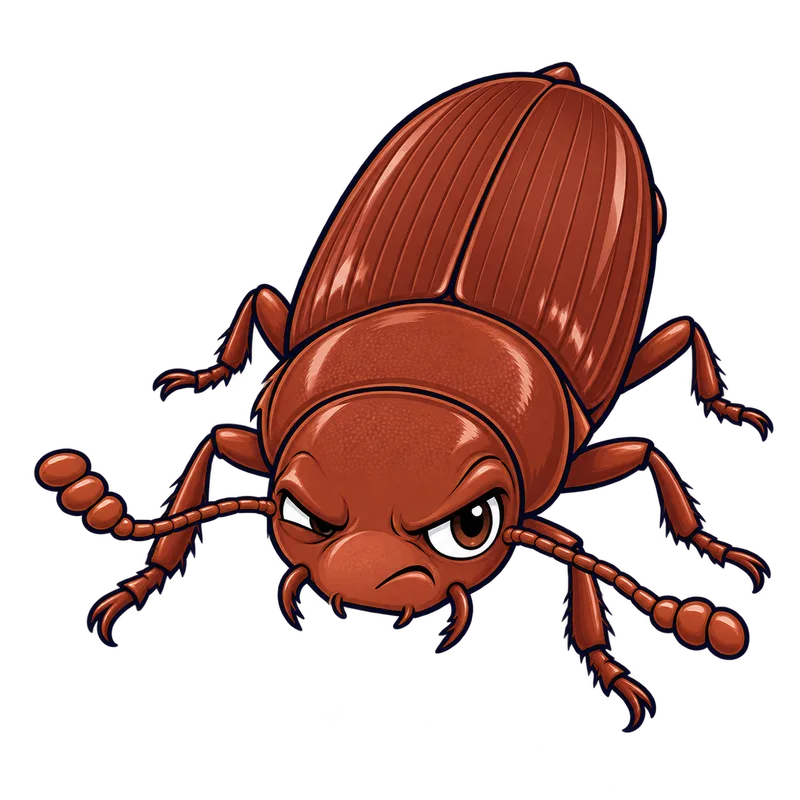
Getting rid of red flour beetles relies on physical removal, extreme temperatures, and strict containment rather than heavy chemical spraying. You must strip your pantry bare, vacuum all cabinet cracks, scrub the shelves with hot soapy water, freeze uninfested dry goods at zero degrees Fahrenheit for four to five days, and store food in airtight containers.
What is actually going on
You reach into the back of the pantry for that half-used bag of flour to bake a weekend pie, and as you lift it, a tiny reddish-brown insect scuttles across the shelf. Then you notice a few more scurrying near the cornmeal. You are not dealing with a stray bug that wandered in through an open screen door. You have red flour beetles, and they have already moved in, set up housekeeping, and started a family in your dry goods.
Getting rid of them takes more than just tossing out the single box where you spotted them. These insects are secondary pests, meaning they do not have the heavy-duty jaws required to break into whole, undamaged grain kernels. Instead, they wait for milling, cracking, or another pest to open up the food source. Once they find milled flour, cereal, cornmeal, pasta, spices, or pet food, they settle in for the long haul.
An adult female can lay hundreds of microscopic, sticky eggs directly onto food commodities or inside the tiny cracks of your wooden pantry shelves over several months. Because those eggs are coated in a sticky secretion, they pick up surrounding flour dust and become virtually invisible. If you only throw away the one bag you happened to notice, you are leaving behind eggs, larvae, and adults tucked away in cabinet joints and adjacent packages.
The strategy that actually works relies on physical removal, extreme temperatures, and strict containment rather than heavy chemical spraying. You have to hunt down every last source of infestation, strip the pantry bare, clean out the microscopic dust where they hide, and seal up your remaining groceries so they cannot get back in.
How to tell for sure
Before you start tearing your kitchen apart, it helps to confirm what you are looking at. Red flour beetles usually measure about a quarter of an inch long and have an elongated, flattened, reddish-brown body. They look quite similar to their close cousin, the confused flour beetle, and telling them apart usually requires a ten-power hand lens or a magnifying glass to check their antennae. Red flour beetles have an abrupt three-segmented club at the very tip of their antennae, resembling a tiny matchstick knob, while confused flour beetles have antennae that widen very gradually toward the end like a smooth cone.
Another big giveaway is their behavior. Adult red flour beetles usually fly quite readily, especially when the weather is warm or a storm is rolling in, which means they can easily disperse to other cabinets or nearby rooms. Their lookalikes cannot fly at all.
You might also notice the aftermath of an infestation before you spot the bugs themselves. As populations grow, these beetles release chemical secretions called benzoquinones. This gives heavily infested flour a sharp, pungent, sour odor similar to spoiled medicine and turns the powder a dull greyish-pink color. If your flour smells suspicious and looks discolored, do not try to salvage it.
You can rest easy on one front, though. Red flour beetles do not bite or sting humans, and they do not feed on or damage your home's structural wood or furniture. They are strictly interested in the dry pantry goods sitting on your shelves.
What usually comes next
You are standing in front of your pantry with a pile of heavy-duty trash bags, and you have to figure out where to start. The most practical first move is a complete pantry audit. Pull every single item off every shelf, including the pet food, the birdseed, the decorative dried flowers, and the spices you bought three years ago.
Inspect every package closely. Look for what seasoned pest control folks call leaky packages, which are containers showing fine trails of dust spilling from seams or tiny holes chewed through plastic, acting like a trail marker left behind by the invaders. Do not try to save anything that looks suspect or shows the slightest sign of insect life. Wrap those compromised items securely in thick plastic trash bags, tie them shut, and walk them straight out to your outdoor garbage bin.
Once the shelves are completely empty, take a narrow crevice tool and vacuum every single corner, joint, shelf-support hole, and baseboard. Empty your vacuum canister into an outdoor bin immediately afterward. Follow that up by scrubbing the empty shelves with hot, soapy water to wash away the invisible film of grain dust that feeds the larvae.
For uninfested dry goods you want to keep, or suspect packages you are not ready to throw away, you can use thermal treatment. Place the goods in plastic bags and put them in your freezer at zero degrees Fahrenheit for four to five days to kill off any hidden eggs or larvae. Wrapping them like wearing a raincoat keeps ambient kitchen humidity from condensing on the cold flour when it warms back up. Once everything is clean and dry, transfer all your safe dry goods into rigid glass, metal, or heavy plastic containers with tight rubber gaskets, acting like a sealed bank vault that keeps bugs out. Paper and cardboard are simply no match for these beetles, and keeping food in original packaging is usually an invitation for them to return.
When to get help
There are times when a do-it-yourself kitchen cleanup is simply not enough to solve the problem. If you have scrubbed, vacuumed, and frozen your groceries, but beetles keep appearing week after week, you likely have a hidden reservoir you cannot reach. This often happens when insects are breeding in spilled grain reservoirs inside wall voids, behind kitchen baseboards, or inside heating and cooling ducts.
You might also find yourself dealing with an infestation originating from unusual sources outside the pantry, such as old rodent bait blocks hidden inside a wall, bird nests tucked into an attic, or furniture stuffed with natural seed husks. In multi-unit housing like apartment complexes or condominiums, red flour beetles can easily fly or migrate along utility pipe penetrations between neighboring units, making individual apartment treatments a temporary fix at best. Commercial settings like grocery stores, bakeries, and food warehouses always require licensed commercial pest control operators using specialized monitoring grids and structural treatments.
Health concerns can also require outside intervention. While these pests do not transmit diseases, exposure to heavy flour dust, cast-off skins, and quinone secretions can trigger allergic reactions in sensitive individuals, leading to skin irritation, watery eyes, or occupational asthma attacks. If anyone in your household experiences severe allergic distress, respiratory trouble, or persistent coughing from handling infested kitchen items, consult a medical clinician or an urgent care facility right away.