
Flour mites vs weevils: how can you tell?
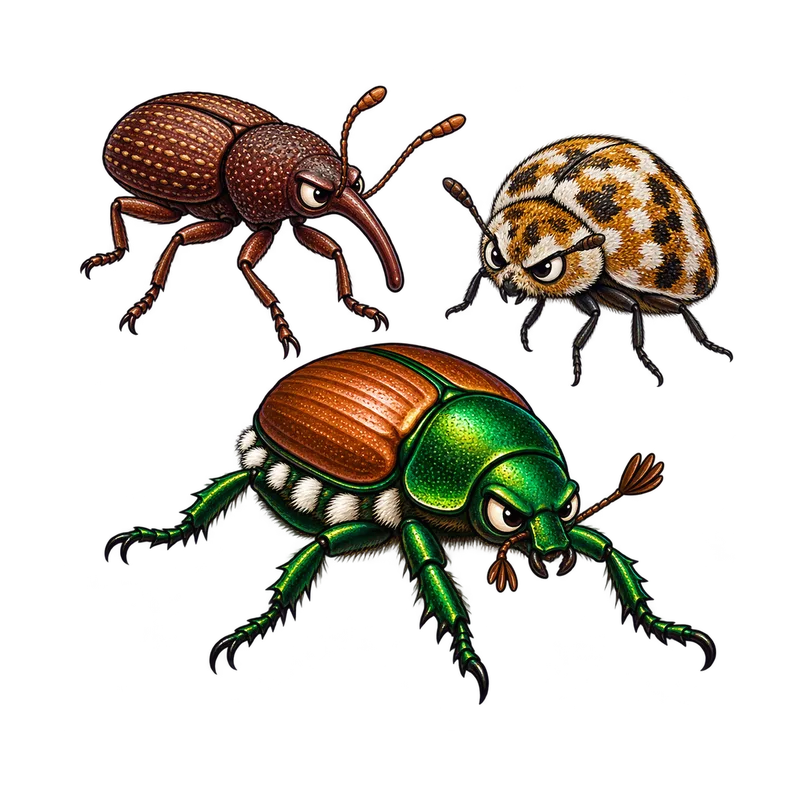
You can tell flour mites and weevils apart by their size and appearance, since flour mites are microscopic arachnids that look like a moving layer of dust, while weevils are true insects with hard shells that measure a few millimeters long. Flour mites also give off a sweet minty scent when crushed, whereas beetles and weevils produce a sharp chemical odor.
What is actually going on
You reach into the back of the pantry for that bag of whole-wheat flour you bought three months ago, planning to bake on a rainy afternoon. When you cut open the top, you notice something odd about the flour surface. It looks almost alive, shifting ever so slightly in the dim light like a tiny, dusty sand dune. If you lean in close, you might even catch a strange, sweet scent that reminds you of mint leaves rather than baking ingredients.
You are likely looking at a severe infestation of flour mites, but there is a good chance you are calling them weevils. People mix these pests up all the time, mostly because they both turn up in the exact same bags of grain and cereal. Yet you are dealing with two entirely different creatures that require completely different approaches once they settle into your kitchen storage.
To clear up the confusion right away, flour mites are microscopic, soft-bodied arachnids related to spiders, measuring just a fraction of a millimeter across. When they crowd together by the millions, they look like a moving layer of fine dust. Weevils and flour beetles, on the other hand, are true insects with hard outer shells, distinct heads, and visible legs. They usually measure a few millimeters long, looking roughly the size of a sesame seed or a grain of rice, and they crawl or fly around with purpose rather than shimmering in a dusty haze.
Why do they end up in your food in the first place? Flour mites are essentially hyper-sensitive to moisture, thriving only when the relative humidity climbs above fifty or fifty-five percent and dampness encourages microscopic mold to grow inside grain. Beetles and weevils are much tougher and can comfortably march through bone-dry flour without needing a humid microclimate.
How to tell for sure
Telling these pantry invaders apart comes down to size, shape, and a few sensory cues that do not require a laboratory microscope. If you scoop up a pinch of the suspect flour and rub it between your fingers, a distinct sweet, musty, or minty aroma usually points directly to flour mites. That scent comes from chemical secretions released by the mites when they are crushed in mass. Flour beetles do not smell like mint at all, and instead usually give off an unpleasant, sharp chemical odor from their own defense glands.
If you squint at the pests without any magnification, individual flour mites are usually invisible to the naked eye, appearing only as that shifting grayish dust layer. If you pull out a ten-times magnifying glass, however, you can usually spot their translucent, oval bodies and count eight legs on the adults. Beetles and weevils never need a magnifying glass to be seen. You will easily spot their hard, segmented bodies, distinct antennae, and reddish-brown to dark-brown coloring as they march across your shelves.
You should also keep in mind where else these critters might show up. If you find tiny white specks crawling around a damp bathroom windowsill or a water-damaged drywall corner instead of a dry food container, those are usually mold mites feeding on structural mildew rather than pantry pests. If you find tiny brown beetles chewing on leather book bindings, old paper, or spices, those are usually drugstore beetles or cigarette beetles, which carry internal yeasts that let them survive on virtually anything.
People often confuse flour mites with dust mites out of pure dread, but the two have nothing to do with each other. Dust mites live exclusively in mattresses and upholstered furniture to feed on shed human skin flakes, and they would quickly starve in a bag of flour. Flour mites are strictly kitchen foodies that feed directly on grain germ and mold spores.
What usually comes next
Once you confirm what is crawling through your dry goods, your most practical decision is deciding whether to salvage a partial package or throw the whole thing out. When an infestation is heavy enough to show up as moving dust or crawling beetles, the food is thoroughly contaminated with shed skins, waste, and allergens, meaning the only sensible choice is immediate disposal.
Take the infested bag, seal it securely inside a heavy plastic trash bag, and walk it straight out to your outdoor garbage bin so the pests do not spread to neighboring containers in your pantry. Leaving the bag sitting in an indoor kitchen bin gives them an easy escape route back to your shelves.
After you clear out the compromised food, your next move is breaking the moisture cycle that invited them in. Lowering your indoor relative humidity below fifty percent is the single most effective way to ensure surviving mites or hatching eggs cannot establish a new colony. A thorough physical cleanup with a vacuum and warm, soapy water takes care of any stray eggs or adults hiding in shelf corners, while transferring your fresh groceries into airtight glass, metal, or rigid plastic containers keeps new arrivals locked out for good.
When to get help
Neither flour mites nor flour beetles bite, sting, or carry human diseases, so you do not need to panic about venomous attacks or toxic parasites. However, breathing in airborne mite dust or handling heavily infested grain can trigger severe allergic reactions, including chronic asthma attacks, watery eyes, and an itchy skin irritation historically known as grocer's itch. If you or someone in your home experiences persistent skin rashes, coughing, or respiratory distress after cleaning out a pantry, consult a qualified physician or visit an urgent care clinic right away.
In rare cases, finding dense clusters of strange, hairy brown beetle larvae with long tail bristles in imported food packages or bulk grain storage can signal a high-risk quarantine pest like the Khapra beetle. Because those specific larvae carry barbed hairs that cause severe health hazards if inhaled or ingested, suspected sightings of that nature must be reported immediately to your local department of agriculture or the relevant national biosecurity agency.
For routine residential pantries, commercial interventions are rarely necessary unless you are managing a multi-unit apartment building, a commercial bakery, or a food warehouse where an infestation has spread through the structure. In those large-scale situations, structural thermal remediation or professional fumigation must be left entirely to licensed pest management professionals who operate under strict regulatory safety codes.