
What are little bugs in flour?
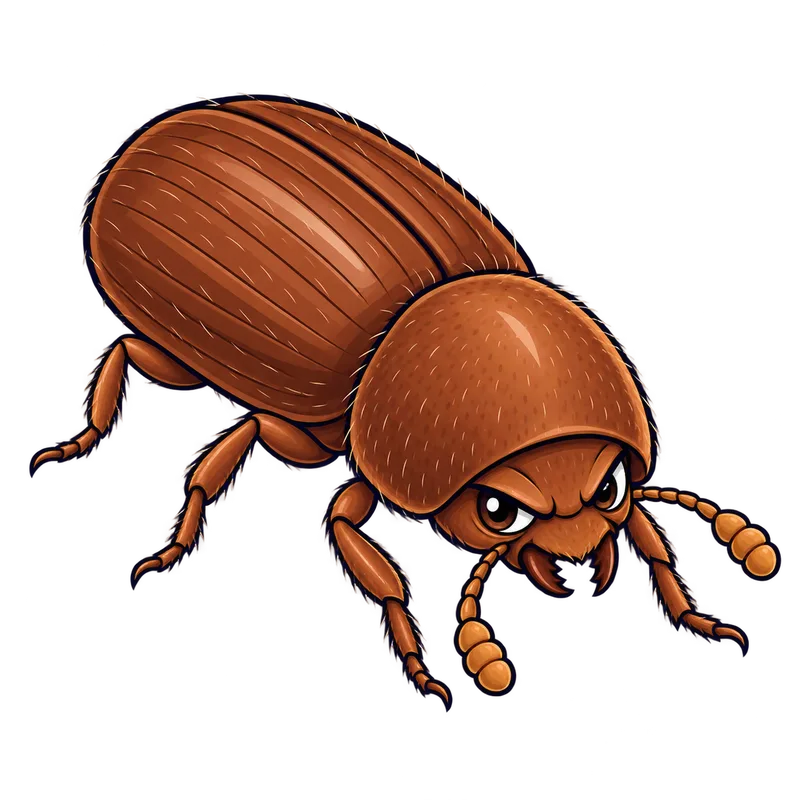
Little bugs in flour are pantry pests that usually turn up as small beetles, microscopic mites, or pale booklice about the size of a sesame seed. These creatures almost always arrive inside commercially packaged dry goods where adults laid microscopic eggs during processing or warehousing.
What is actually going on
You are halfway through mixing a batch of weekend pancakes, and as you tip the flour bag into the measuring cup, something looks a little off. Instead of sitting quietly in the bowl, the surface of the white powder seems to ripple, or you spot a dozen tiny reddish specks marching with quiet determination up the side of the ceramic bowl. Those little bugs are pantry pests, and they usually turn up as one of three usual suspects: small beetles, microscopic mites, or pale, wingless insects called booklice.
These creatures do not arrive because your kitchen is dirty or neglected. They are almost always brought into the house inside commercially packaged dry goods like flour, cornmeal, oatmeal, or baking mixes. The food supply chain is vast, and processing mills or distribution warehouses are prime spots for adult insects to lay microscopic eggs inside packaging seams. Once those eggs hatch in the warmth of your pantry, the larvae feed on the grain and start a new generation right inside your cupboard.
The insects you find usually fall into distinct biological groups, and each behaves a bit differently. You might have flour beetles, which are reddish-brown and love to chew their way through milled starches, or cigarette and drugstore beetles, which are small, humpbacked, and surprisingly capable of chewing through cardboard and foil. Alternatively, a moving layer of greyish dust accompanied by a sweet, minty odor points straight to grain mites, which thrive when indoor humidity creeps upward.
How to tell for sure
Figuring out what you are looking at usually requires a close look under good lighting, and a small hand lens helps immensely if you want to know which pest you are dealing with. If you see tiny beetles that measure about the size of a sesame seed, check their antenna structure. Red flour beetles usually have an abrupt three-segmented club at the end of their antennae and can fly when the weather turns warm, while confused flour beetles usually have a gradual four-segmented club and are flightless.
If the beetles look more like tiny brown armadillos with their heads tucked downward out of sight, you are usually dealing with anobiid beetles. Cigarette beetles feature saw-toothed antennae and smooth wing covers, whereas drugstore beetles usually have antennae ending in a loose three-segmented club and show distinct rows of tiny pits along their back.
Mites are a different story entirely because they are usually too small to examine individually with the naked eye. Instead, a heavy infestation usually looks like a shifting, dusty layer across the flour surface. If you take a small pinch of the powder and rub it between your fingers, a distinct minty or musty smell usually confirms mites are present. Booklice, meanwhile, usually show up as pale, fast-moving specks scurrying across shelves or packaging, feeding not on the flour itself, but on the microscopic mold that grows when the air gets too humid.
What usually comes next
Once you spot them, the most effective first move is usually to isolate and discard heavily infested food containers rather than trying to salvage the unsalvageable. Wrap suspect flour packages tightly in a plastic trash bag and carry them straight to an outdoor bin so the insects do not scatter into other cupboards.
After clearing out the compromised items, empty the shelf completely and vacuum every crack, screw hole, and corner where stray flour dust collects. Transferring your dry goods into heavy glass, metal, or rigid plastic containers with tight silicone seals stops pests from chewing through paper or thin plastic and keeps any future stowaways safely contained before they can spread. Avoid spraying liquid household insecticides on your pantry shelves, as chemical sprays do not solve an internal food package infestation and introduce unnecessary toxins right next to where you store your groceries.
When to get help
Most pantry pest situations settle down quickly once you throw out the bad food, vacuum the shelves, and switch to airtight containers, but certain scenarios call for outside help. If you or someone in your household experiences persistent skin rashes, chronic sneezing, watery eyes, or acute asthma attacks after handling contaminated baking supplies, stop what you are doing. Inhalation or contact with pest fragments and mite waste can trigger severe allergic reactions, and anyone suffering from those symptoms should consult a board-certified physician or an allergist right away.
On the regulatory front, if you ever unpack imported grains, specialty spices, or decorative items that reveal dense clusters of tiny, hairy, reddish-brown larvae with bristly tails, stop and secure the package immediately. Those can be signs of the Khapra beetle, a globally regulated quarantine pest that destroys grain stores and requires formal reporting to your local agricultural extension office or national biosecurity agency for proper identification and control.