
Why are bugs in pasta boxes?
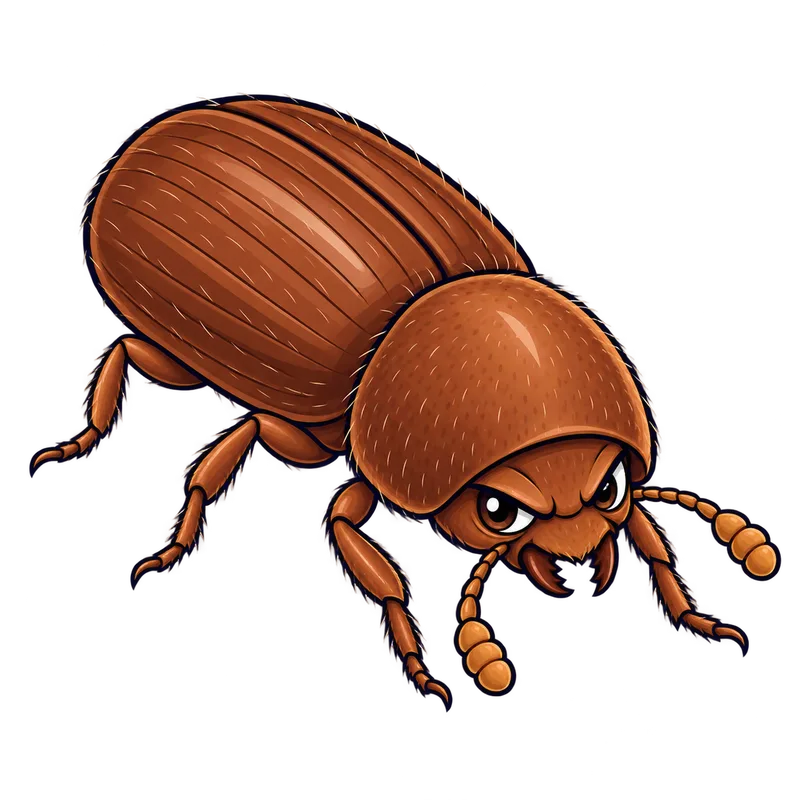
Insects and mites end up in pasta boxes because primary pests chew directly through the packaging, or secondary pests slip through tiny manufacturing defects. Contamination can also happen earlier in the supply chain when microscopic eggs are packaged right alongside the milled grains during processing.
What is actually going on
You reach into the pantry, pull out a box of penne for Tuesday night dinner, and notice a handful of fine powder pooling at the bottom of the cardboard shelf. When you flip the box open, tiny brown beetles or erratic little caterpillars are crawling right over your dry pasta. It feels like a magic trick gone wrong, especially since the cardboard box looked completely intact when you brought it home from the grocery store. People usually assume these bugs generate spontaneously out of the starch, or that a pristine factory seal makes a cardboard box an impenetrable vault. Neither is true. Insects and mites end up in your pasta boxes through two distinct pathways. Primary pests, such as the drugstore beetle, possess powerful chewing mouthparts that let them bore directly through paperboard, plastic inner bags, and foil just as easily as they would chew through dry leaves.
Secondary pests take an easier route. Flour beetles and Indianmeal moth caterpillars cannot chew through sound packaging on their own, so they rely on tiny manufacturing defects, unsealed corners, or microscopic gaps along glued box flaps. Sometimes, the contamination happens much earlier in the supply chain, where microscopic eggs or larvae were packaged right alongside milled grains during processing. Once they are inside your pantry, ambient household temperatures and high relative humidity act like an accelerator, letting these populations multiply in the dark without you noticing until they reach a critical mass.
How to tell for sure
Identifying what is crawling around in your food usually depends on a closer look, and you will often need a 10x magnification hand lens to catch the diagnostic details. If you are dealing with small, cylindrical, reddish-brown beetles that are about 2 to 3 mm long, you are usually looking at either a drugstore beetle or a cigarette beetle. A drugstore beetle usually has distinct longitudinal rows of pits running down its hardened wing covers and an abrupt 3-segmented club at the end of its antennae. A cigarette beetle has smooth, unstriated wing covers and uniformly saw-toothed antennae.
If the insects are slender, reddish-brown beetles with a slightly different shape, you might have flour beetles. The red flour beetle tends to have an abrupt 3-segmented antennal club and is capable of flight before storms, while the confused flour beetle has a gradually expanding 4-segmented club and stays grounded. If you scoop up some of the pantry dust and notice a peculiar, sweet, minty odor, you are usually dealing with microscopic grain mites rather than beetles. You might also spot booklice, which are tiny, soft-bodied, translucent white insects grazing on invisible mold spores across damp cardboard packaging. When you find small moths with reddish-bronze or copper-colored forewings fluttering around or silk webbing binding your pasta together, you are usually looking at the classic signs of the Indianmeal moth.
What usually comes next
Once you spot an active infestation, you have to make a practical decision about what stays and what goes. Do not bother trying to salvage heavily infested items laced with silk webbing, foul odors, or dense insect debris. Wrap those packages tightly in heavy plastic trash bags and carry them straight out to an outdoor bin so the pests do not spread to other dry goods in your kitchen. For items that show only minor exposure or boxes sitting right next to the affected food, you can usually sanitize them using thermal deinfestation. Seal the susceptible dry goods inside heavy polyethylene plastic bags, squeezing out as much excess air as possible, and place them in a deep freezer set to zero degrees Fahrenheit for 48 to 72 hours. If your freezer runs a bit warmer, leaving them there for a full 7 days is safer. When you pull them out, let the sealed bags sit at room temperature for 24 hours so condensation forms on the outside of the plastic rather than soaking your food.
Cleaning the physical space matters just as much as treating the food. Vacuum every crack, corner, and joint of your pantry shelves, then wash the surfaces thoroughly with hot, soapy water and let them dry completely before putting anything back. Moving forward, stop leaving dry pasta, rice, and flour in their original cardboard boxes and paper bags. Transfer them into rigid glass, metal, or heavy plastic storage containers equipped with airtight, rubber-gasketed lids.
When to get help
Most pantry pests are an aesthetic and frustrating nuisance rather than a medical emergency, but there are times when you need outside help. If you notice a building-wide infestation spanning multiple apartment units, your individual kitchen cleaning efforts will not stop the continuous migration from neighboring pantries. You should also look closely at the physical structure of your kitchen. Persistent dampness originating from hidden wall leaks or roof issues can drive severe booklice and mold outbreaks that require professional moisture remediation rather than simple bug sprays.
If you suspect you are dealing with high-consequence quarantine pests like the Khapra beetle, which features reddish-brown larvae covered in long, barbed hairs, you need to contact your state department of agriculture or national biosecurity agency immediately. The barbed hairs of these specific larvae can cause severe gastrointestinal irritation if swallowed and trigger serious asthma attacks if inhaled. Should you or someone in your household experience persistent skin rashes, severe respiratory allergies, or unusual health symptoms after handling contaminated pantry items, stop what you are doing and consult a licensed clinician, an urgent care facility, or your local poison control center right away.