
Spotted vs striped cucumber beetles: why identify the species?
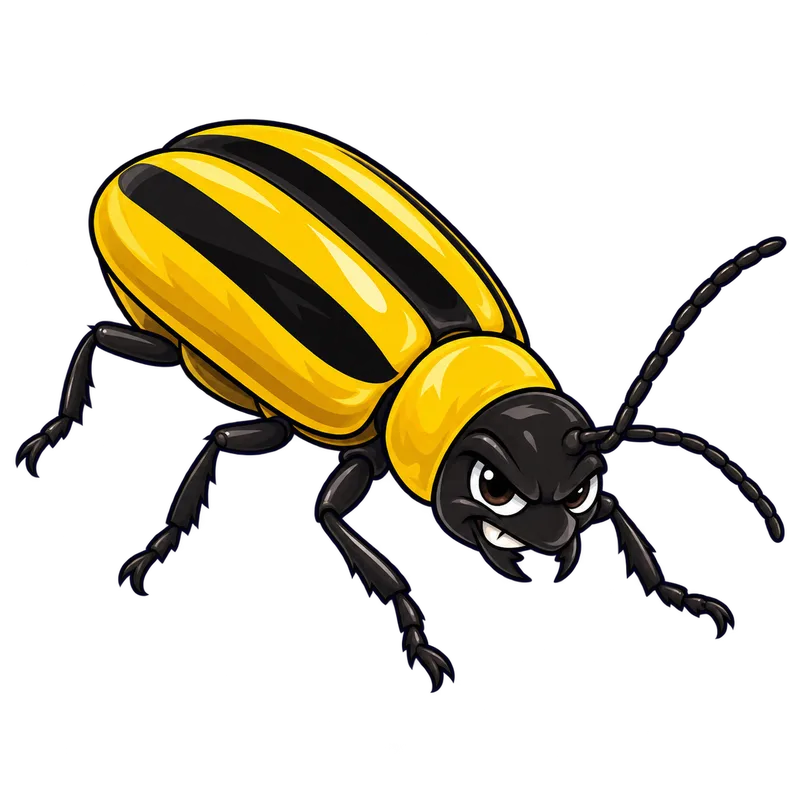
Identifying whether a cucumber beetle is striped or spotted is essential because the two species have very different life histories and underground feeding habits. The striped cucumber beetle is a specialist whose offspring feed on vine crop roots, while the spotted cucumber beetle is a generalist whose immature stage feeds on corn and grass roots.
What is actually going on
Imagine stepping out into your vegetable patch early in the morning with a cup of coffee. The air is still cool, and as you inspect your young cantaloupe or cucumber transplants, you notice a few small, lively beetles resting on the leaves. You might wonder if it really matters whether they are striped or spotted. After all, they are both chewing holes in your plants, right?
Identifying whether a cucumber beetle is the striped kind or the spotted kind is actually essential for managing your garden effectively. While both species feed on the leaves and fruit of vine crops and both can transmit bacterial wilt, they live very different lives behind the scenes. They differ in where they spend the winter, what their immature forms eat when they are living underground, and how strictly you need to monitor them to prevent a ruined harvest.
You might object that a beetle is just a beetle when it is actively munching your zucchini leaves. Why should you care about its background if the damage looks the same? The difference lies in where the pests come from and what threatens your plants next. The striped cucumber beetle is a dedicated specialist. Its immature offspring develop almost exclusively on the roots of squash, pumpkins, and cucumbers. The spotted cucumber beetle, on the other hand, is a generalist. Its underground stage feeds on the roots of corn, peanuts, grasses, and small grains before the adults migrate into your vegetable patch. That means your spotted beetle problem might be arriving from a completely different neighborhood than your striped beetle problem.
How to tell for sure
Spotting these insects usually takes nothing more than a quick look with the naked eye. The striped cucumber beetle is about a quarter of an inch long, featuring distinct black and yellow stripes running lengthwise down its wing covers. The spotted cucumber beetle is roughly the same size, but its body is a greenish-yellow to yellow color marked by twelve prominent black spots.
You usually want to double-check what you are looking at so you do not confuse them with entirely different insects. For instance, people often mistake spotted cucumber beetles for beneficial ladybugs or Mexican bean beetles, which are copper-colored and prefer beans. Similarly, striped beetles found on potatoes or tomatoes are usually Colorado potato beetles or tiny flea beetles that hop when disturbed, rather than striped cucumber beetles targeting your squash. If you are hand-picking these pests into a jar of soapy water, always wear gloves. Unidentified tan or striped beetles can sometimes be blister beetles, which release a defensive fluid that causes severe chemical blistering on human skin.
What usually comes next
Once you have figured out which beetle you are dealing with, you still have to decide when it is time to do something about them. This is where scouting thresholds matter, and your choice usually depends on whether you are more afraid of chewed leaves or bacterial wilt. This nasty disease happens when bacteria get inside the plant through feeding wounds, where they multiply and clog up the internal water pipes like a thick milkshake stuck in a crushed straw. The whole vine just gives up and collapses, staying dead even when the soil around the roots is soaking wet.
If you only care about saving a few chewed leaves on tough, established seedlings, most guidelines suggest waiting until you count an average of one beetle per 10 feet of row before you lift a finger. But if you are growing delicate crops like muskmelons or cucumbers where bacterial wilt is a constant threat, that number changes dramatically. You have to step in the second you see an average of one beetle per 100 feet of row. Waiting until you spot a wilted vine is already too late, because sprays cannot fix an infection that is blocking the water inside.
To keep numbers down before they hit those tipping points, most gardeners use simple physical tricks. You can push your planting dates back to mid-June so you miss the heavy spring rush of adults waking up from their winter sleep. Another good trick is putting lightweight floating row covers over your beds right after planting to act as a physical shield. Just make sure you pull those covers off as soon as the plants start blooming so bees and other insects can get inside to pollinate your crops. When you finally decide to use a spray, whether it is organic neem oil or something conventional, always read and follow the product label directions and pre-harvest intervals carefully.
When to get help
Sometimes a garden pest gets completely out of hand before you can catch it. If your young seedlings practically vanish overnight, with stems chewed down or stripped bare within forty-eight hours despite your best efforts, you are probably dealing with a massive population explosion. Sudden, widespread wilting across entire vines during the afternoon heat that refuses to perk up overnight also points to advanced disease pressure that simple home treatments cannot fix.
When large-scale growers face runaway wilting even with low bug counts, or when a home gardener finds strange insects that might be regulated quarantine pests, it is time to call in the professionals. Reach out to your local university extension office or state agriculture department. They can run proper tests, clear up any confusion about what pest you have, and help you figure out the safest management plan for your area.