
When are lawn grubs near the surface?
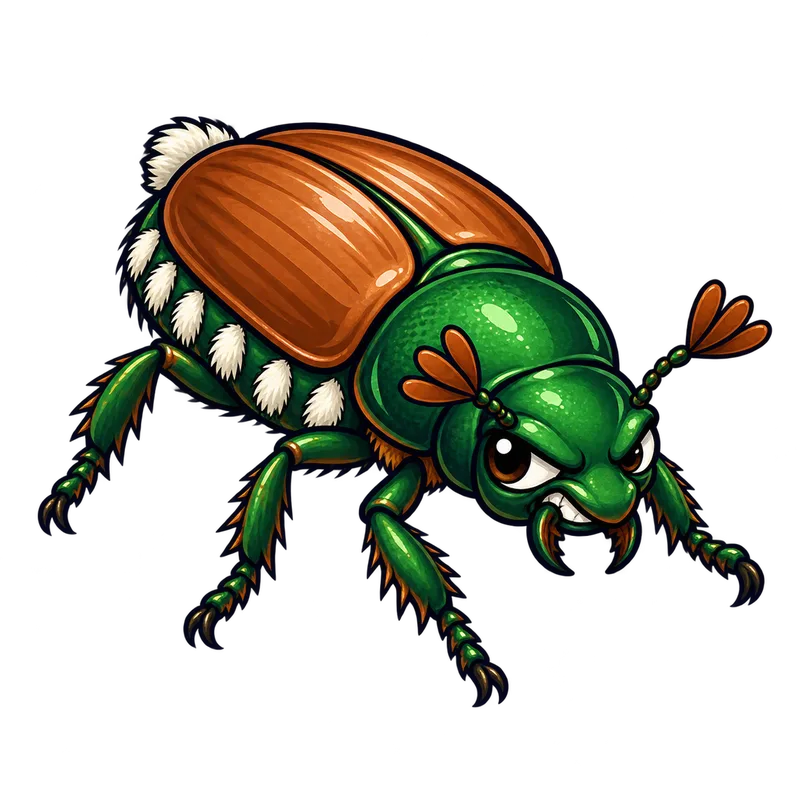
Lawn grubs reside near the soil surface in the top 2 to 3 inches of the root zone primarily from July through October. They also make a brief appearance closer to the surface in April and May. Where they are located depends on temperature and moisture, as cold winter weather and scorching summer droughts will drive them deeper into the earth.
What is actually going on
Imagine stepping out onto the back lawn on a crisp morning in late September, coffee mug in hand, only to feel the ground give way beneath your sneaker like an old, sagging mattress. You look down, and a patch of grass near the sprinkler head has turned a dull, sickly straw color. When you test the edge with your boot, the turf peels right back off the dirt just like an unglued hallway runner. You are looking at the handiwork of lawn grubs, and the reason you are seeing them now is that they are feeding right near the surface.
To answer the question directly, lawn grubs reside near the soil surface in the top 2 to 3 inches of the root zone primarily from midsummer through early fall, specifically from July through October, following the hatch of the year's eggs. They also make a brief appearance closer to the surface in mid-to-late spring, usually April and May, as overwintered larvae wake up and feed for a short time before turning into beetles. The rest of the year, they are either tiny eggs underground or mature grubs burrowed deep beneath the frost line.
You might wonder why they spend their time moving up and down instead of just staying put where the food is. It all comes down to temperature and moisture. When winter sets in and the topsoil freezes, those grubs crawl down several inches into the earth to ride out the cold. As the spring sun warms the ground back up, they crawl back toward the surface for a quick meal before pupating into adult scarab beetles like Japanese beetles or European chafers. Once those adults emerge in June, they mate and lay eggs back in the turf, starting the cycle over again.
Moisture plays a daily game of tug-of-war with them, too. Because these soft-bodied larvae dry out easily, a scorching summer drought will drive them deeper into the dirt to find dampness. But the moment a heavy rainstorm rolls through or you turn on the irrigation system, they crawl right back up into that top layer of soil.
How to tell for sure
Do not rely on guessing just because a patch of grass looks brown or feels spongy underfoot. The only way to know for sure that you are dealing with lawn grubs is to get your hands dirty and dig a small test sample.
Grab a flat spade and cut out a square foot of turf, slicing down about 2 to 3 inches deep right at the border where the healthy green grass meets the damaged, brown area. Leave one side attached as a hinge so you can flip the square of sod back like the page of a book. Look closely at the exposed soil and the root mat underneath. You are usually looking for plump, milky-white, C-shaped creatures about the size of a thumb or pinky joint, complete with a tan head and tiny legs.
Avoid the old myth about pouring liquid dish soap over the lawn to flush them out. A soap flush works wonders for driving surface caterpillars or mole crickets out of the thatch, but white grubs live deeper down in the soil matrix and will just ignore it.
You will usually want to take three to four of these square-foot samples across different parts of the lawn to get an accurate count. If you find roughly 5 to 10 grubs per square foot in a standard, un-watered residential yard, or more than 20 grubs per square foot in a heavily irrigated and pampered lawn, you have crossed the threshold where damage is likely to mount.
What usually comes next
Once you have confirmed you have a grub population that requires action, your main choice revolves around timing and how you treat the lawn. People often rush out to buy treatments in the spring when they first notice browning grass, but that is usually a frustrating mistake. Spring grubs are mature, thick-skinned third-instar larvae that are tough to kill with chemicals and are already wrapping up their feeding cycle anyway.
The most effective approach is preventive care applied in midsummer, typically July or August, when the newly hatched first-instar larvae are tiny, vulnerable, and feeding aggressively near the surface. If you are applying treatments during dry summer weather, always irrigate the lawn about 24 hours beforehand to draw the grubs up into that top layer of soil. Right after putting down a granular or liquid treatment, water the lawn again with about a half inch of moisture to wash the active ingredient off the grass blades and push it down through the thatch layer and directly into the root zone.
If you prefer biological controls, keep your expectations realistic. Beneficial nematodes need warm soil temperatures to work properly, and they must be applied near dusk to protect them from sunlight. If you decide to use milky spore disease, remember that it only targets Japanese beetle grubs and offers zero control against European chafers or June bugs. Furthermore, milky spore takes years to build up in the soil, and you cannot use chemical insecticides over it without killing the bacteria along with the pests.
When to get help
Sometimes a grub problem goes beyond a simple DIY weekend project and requires outside assistance. If you wake up to find your lawn looking as though someone took a garden claw and ripped up large patches of turf overnight, you are likely dealing with vertebrate predators like skunks, raccoons, crows, or armadillos digging furiously to eat the grubs underneath.
Never attempt to trap, handle, or remove wild mammals yourself, as animals like skunks and raccoons carry severe rabies risks. If anyone has contact with a wild animal, immediately reach out to local public health authorities, an urgent care clinic, or animal control services, and leave wildlife management to licensed pest or wildlife professionals.
Regarding chemical applications, remember that product labels are legally binding federal rules. Never invent your own mixtures or application rates. If your lawn is severely damaged across more than 30 percent of the property, if you are dealing with steep slopes prone to erosion, or if the situation calls for restricted-use pesticides that require specialized licensing to purchase and apply, step back and call a licensed pest control professional or your local agricultural extension office for guidance.