
How can cucumber beetles damage a young squash plant?
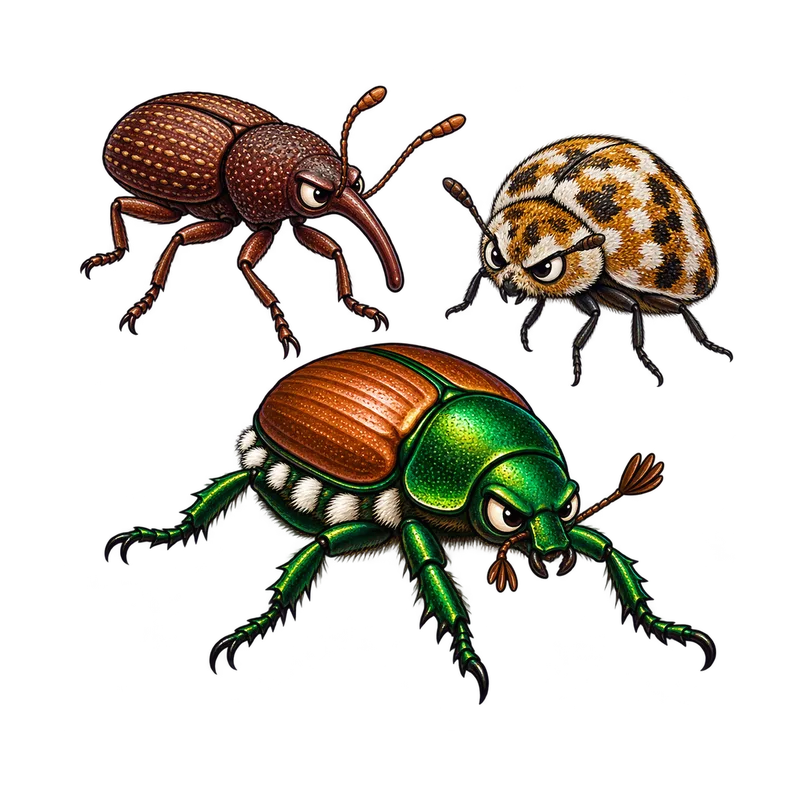
Cucumber beetles damage a young squash plant by chewing on the stems and leaves, which can easily stunt or kill a fragile transplant. These pests also introduce a pathogen into the plant vascular system that causes bacterial wilt, an internal blockage that quickly starves the plant of water.
What is actually going on
Picture walking out to your garden morning coffee in hand, only to find your freshly sprouted squash seedlings looking like a small army took a hole puncher to the leaves. Worse yet, some of those tender young stems are chewed down to the dirt. That is the calling card of the cucumber beetle. These small, destructive pests damage young squash plants through a double whammy of direct physical chewing and indirect disease transmission.
Adult beetles gnaw on the cotyledons, which are the plant's first embryonic leaves, chew through young stems, and feast on the early foliage. While this direct feeding can easily stunt or completely kill a fragile transplant, the real danger happens invisibly. As the beetles feed, they can introduce a pathogen into the plant's vascular system that causes bacterial wilt.
Think of bacterial wilt not as a physical wound, but as a biological clog in the plant's internal plumbing. Once the bacteria get inside, they multiply rapidly and block the water-transporting xylem tissues. Because young squash plants have such a small volume to begin with, this internal blockage quickly starves the plant of water. You end up with a vine that collapses entirely, even though the soil around it is damp.
So why do these beetles pack such a punch on young plants compared to mature ones? A robust, established squash vine with dozens of thick stems and large leaves can shrug off a fair amount of chewing. A seedling with only two true leaves has no reserves. When you combine that vulnerability with the speed of bacterial wilt, you realize why catching these pests early matters so much.
How to tell for sure
Before you start spraying or covering anything, you need to know what you are looking at. You are usually dealing with one of two main culprits: the striped cucumber beetle, which features three distinct black stripes running down its yellow back, or the spotted cucumber beetle, which is yellowish-green and sports twelve black spots on its wing covers. Both are small, shiny, and quick to take flight when disturbed.
You might wonder how to separate cucumber beetle damage from other common garden pests. After all, plenty of insects chew on squash. Flea beetles also leave holes in leaves, but their handiwork looks like tiny, round shot-holes rather than the more ragged feeding scars left by cucumber beetles. If you notice a vine wilting suddenly, you might suspect squash bugs or squash vine borers instead. Squash bugs use piercing mouthparts to suck sap, leaving speckled leaves and a different pattern of decline, while squash vine borers actually tunnel inside the stem, leaving visible sawdust-like waste behind at their entry holes. If your squash plants simply droop and die with no stem borers or sap-sucking bugs in sight, and you saw yellow-and-black beetles earlier, bacterial wilt is usually the underlying cause.
What usually comes next
Mysteries aside, managing these persistent pests comes down to timing, physical barriers, and sometimes chemical controls, depending on how many beetles are sharing your garden. Gardeners often rely on action thresholds, which are just simple counts that tell you when the time has come to take action. If your main worry is physical leaf chewing, extension guidelines generally suggest treating when you find one beetle per ten feet of row. But if bacterial wilt is active in your neighborhood, that threshold drops tenfold to just one beetle per one hundred feet of row. When a pest carries a fatal disease, waiting for obvious chewing damage is like waiting for a room to catch fire before checking your smoke detector.
For early season protection, many growers use floating row covers. Think of these lightweight fabric blankets as a fine mosquito net for your vegetables. You lay them over your young squash plants right at planting time to physically block the adults from reaching the tender foliage. There is one critical catch, though. You cannot leave those row covers on forever. As soon as your squash plants begin to bloom, you must remove the covers so honeybees and other beneficial insects can get inside to pollinate the blossoms. Keeping covers on past the flowering stage stops pollination entirely and leaves you with zero fruit.
If you choose to use insecticides or organic sprays after removing the covers, every single application is strictly governed by the product label. Organic options like neem oil, pyrethrins, and azadirachtin often feature zero-day pre-harvest intervals, meaning you can harvest the very same day if the spray has dried, while synthetic options like carbaryl and imidacloprid carry mandatory wait times before you can safely pick your squash. Always check the label on the exact product in your hand, as local regulations and active registrations can shift from season to season.
When to get help
Most home gardeners can manage cucumber beetles using physical barriers, timely planting, and careful morning scouting, but certain situations call for backup. If your squash plants are wilting rapidly despite adequate soil moisture and you cannot find any physical chew marks, stem borers, or obvious signs of pests, you may need a specialist. Confirming bacterial wilt sometimes requires laboratory testing of the plant's internal vascular tissues to rule out other root diseases.
If you are running a commercial farming operation or dealing with large acreage, managing vector-borne pests often requires restricted-use systemic insecticides or complex rotational treatments. In those larger cases, reaching out to your local university extension office or engaging a licensed commercial pesticide applicator ensures the job is done safely and correctly according to current regional guidelines.