
How can a homeowner inspect fallen apples for insect damage?
To inspect fallen apples for insect damage, gather a few drops into a bucket and bring them to a well lit table with a sharp paring knife and a magnifying glass. Check the surface under good light for scars or holes, and then slice the fruit down the middle to look for grubs, caterpillars, or tunnels inside.
What is actually going on
You step out onto the dew-soaked lawn with your morning coffee, only to find half a dozen golf-ball-sized apples scattered across the grass under your tree weeks before harvest. It is easy to assume the local squirrels are running a fruit-tasting club, or that a sudden summer storm shook the branches loose. Often, though, those windfalls are the tree reacting to a secret guest already living inside the flesh. Apple trees regularly shed surplus fruit naturally, a routine process where the branches clear out overcrowding so the remaining crop can actually grow. But when insects get involved, the drop is less about simple math and more about internal damage that leaves the fruit entirely hollowed out or ruined.
People usually assume that any dropped apple with a blemish on the skin is wormy, or that every hole comes from the exact same pest. In reality, trees drop fruit for entirely clean, non-pest reasons too, such as natural thinning or minor nutrient imbalances. You cannot tell what happened just by staring at the fruit sitting in the grass from three feet away. You have to get closer, look at the surface under good light, and eventually slice the fruit open to see whether an insect made a home inside or if the tree just decided it had too many mouths to feed.
How to tell for sure
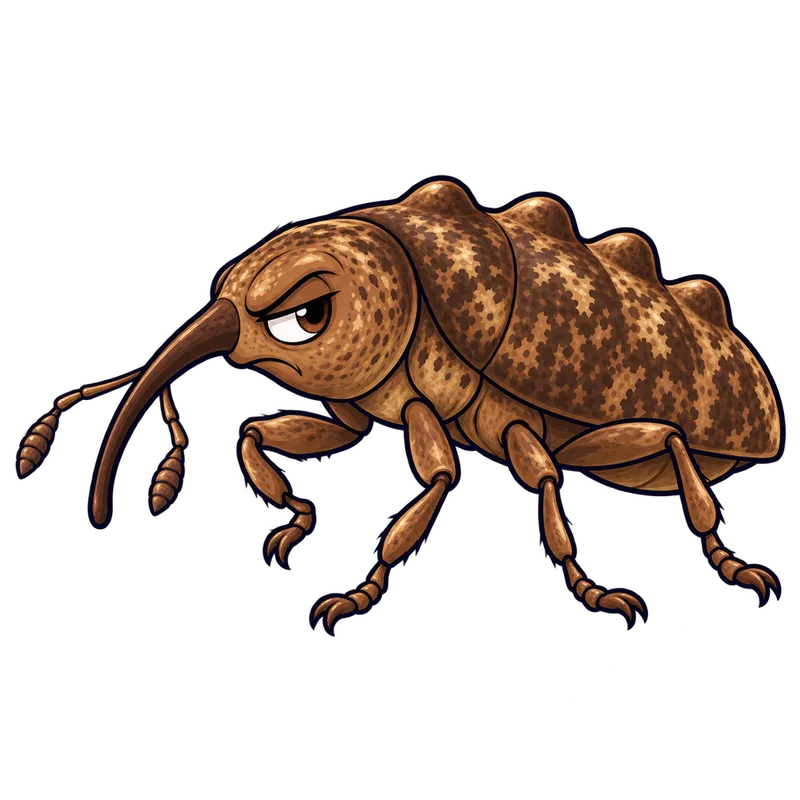
Start your inspection by gathering a few fallen apples into a bucket and bringing them to a well-lit kitchen table along with a sharp paring knife and a small magnifying glass. You are looking for specific exterior clues that tell you which pest paid a visit. Plum curculio damage usually shows up as a distinct, neat, crescent-shaped cut on the skin that looks like someone pressed a fingernail into soft wax. Codling moth damage presents as a clear entry or exit hole on the side or the blossom end, often surrounded by a pile of dark, reddish-brown waste that resembles wet coffee grounds. Apple maggot flies leave tiny, dimpled punctures on the skin that create small sunken depressions as the apple tries to grow around the injury.
Once you check the surface, slice the apple clean down the middle from top to bottom with your paring knife. If you find a curved, legless grub with a brown head munching near the core, that points to a plum curculio. If you see a pinkish caterpillar with visible tiny legs tunneling straight into the seed cavity, you are usually looking at a codling moth. If the inside pulp is carved up by winding, brown, sponge-like galleries with no distinct central tunnel and no visible legs or head anywhere in sight, you generally have an apple maggot infestation. If the inside of the apple looks completely clean, firm, and normal except for a few internal corky spots, the drop is usually physiological or caused by a nutrient deficiency rather than an insect.
What usually comes next
When you wrap up your kitchen assessment, you land right on a very practical question about cleaning up the ground. Keep those damaged apples out of your loose backyard compost bin. Backyard piles almost never get hot enough to cook the larvae hiding deep inside the fruit, which means those grubs will just crawl out into the earth, turn into pupae, and hatch next season to ruin another crop.
Your best bet is gathering dropped fruit every day and packing it securely into thick plastic bags before sending it off with the regular trash. Another solid trick involves solarization, which means sealing the drops inside clear plastic bags and baking them in direct sunlight for a week or two to kill off the pests before you throw them away. If you happen to raise backyard chickens or pigs, fresh and un-rotted drops can go to them as a snack, as long as local town ordinances permit it. Spraying the tree with chemicals after the apples are already on the grass will not fix what is on the ground, so physical cleanup stays your best defense right now.
When to get help
Checking fallen backyard apples is usually a quiet weekend task, but some clues mean you should call in someone who knows the ropes. If you slice open a dropped apple and find strange, hairy caterpillars inside, do not touch them with your bare hands because certain types have defensive bristles that trigger nasty skin irritation or allergies, and anyone dealing with bad skin reactions or trouble breathing needs to call a doctor or poison control right away. When you find grubs or damage that just does not fit the usual guidebooks, stick a few samples into a sealed jar and head over to your local university extension office or state agriculture department to get an accurate name for the pest.
You also need to reach out to agricultural officials right away if you spot warning signs of serious quarantine pests, such as large round exit holes bored into the tree trunk, gooey egg masses stuck to nearby bark, or strange fruit fly larvae that point to a regulated outbreak. And if bigger wildlife like deer, rabbits, or voles are shaking the branches or chewing up the bark on your trees, remember that trapping or removing those animals is heavily controlled by state wildlife laws, meaning you might need to hire a licensed nuisance animal operator or grab a formal permit before you do anything.