
What attracts stored-product beetles to animal feed?
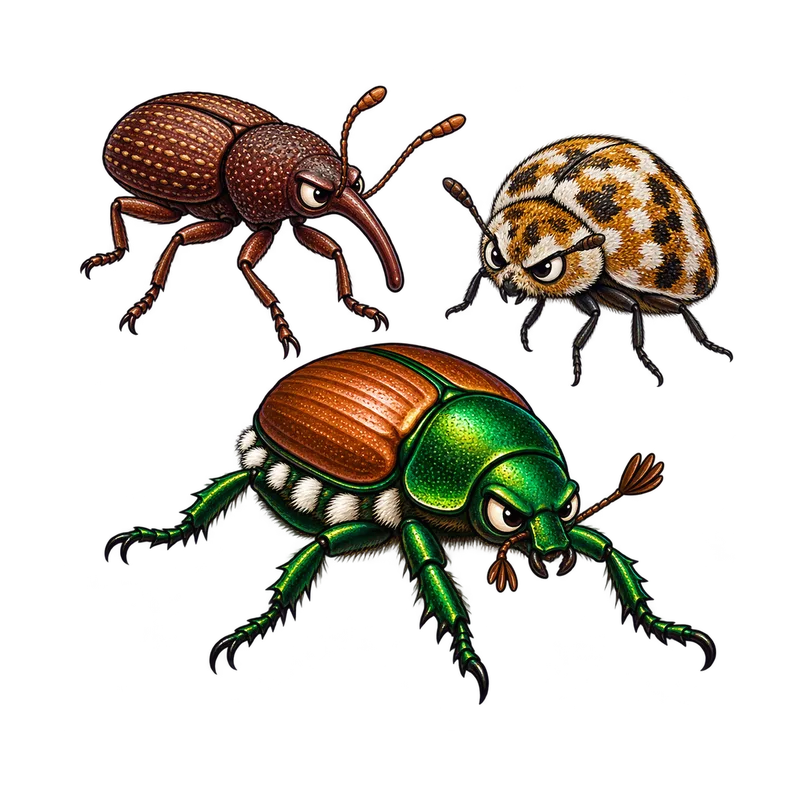
Stored-product beetles are attracted to animal feed because commercial pet kibbles and grains pack high concentrations of proteins, carbohydrates, and fats into dry, long-lasting packages. Adult insects pick up on food odors radiating from open packaging or uncleaned spills and make a beeline for the source.
What is actually going on
You walk into the kitchen on a quiet Tuesday morning, reach for a fresh bag of dry dog food, and notice a handful of tiny, dark bugs scurrying away from the base of the cabinet. It is a deeply unsettling sight, especially when you realize they are treating that stray cluster of kibble dust like a luxury resort. Stored-product beetles are attracted to animal feed because commercial pet kibbles and grains pack high concentrations of proteins, carbohydrates, and fats into dry, long-lasting packages. To a hungry beetle, a torn corner of a pet food sack or a pile of forgotten crumbs behind the kitchen bin is not just food. It is an open-all-hours buffet with zero cover charge.
People often assume these insects spontaneously hatch out of nowhere inside sealed bags, as if bad luck alone conjures them into existence. That is not how it works. Adult beetles pick up on food odors radiating from open packaging or uncleaned spills, and they make a beeline for the source. Once they arrive, females lay eggs directly in or near the feed. The resulting larvae burrow straight into the grain dust or kibble, chewing through the food while hidden away in the dark, undisturbed corners of your cupboards, closets, or heating registers.
You might wonder why they bother with animal feed when there is plenty of human food in the pantry. The truth is that many of these insects are generalist scavengers. Carpet beetles, flour beetles, and grain beetles are entirely indifferent to whether the grain meal or protein pellet was manufactured for a human breakfast or a golden retriever. High-protein pet feeds specifically draw in carpet beetle larvae, while starchy grain feeds attract flour and grain beetles. If you have damp spots or nearby water bowls adding extra humidity to the area, the local beetle population can multiply even faster.
How to tell for sure
Before you start throwing things away, you need to know what you are looking at. You usually will not need a laboratory test, but you will need a bright flashlight and a magnifying glass to inspect the tiny details. Look closely around pet food storage areas, the dark corners beneath your lower cabinets, baseboard cracks, and floor vents.
You are typically searching for small adult beetles, tiny bristly crawling larvae, shed insect skins, or a fine, powdery waste resembling sawdust. If you find small holes chewed through paper or cardboard bags, or notice clumps of kibble bound together by fine webbing, you are almost certainly dealing with a pantry pest infestation. Do not try to guess the exact species from a skin irritation, because these beetles do not bite humans. Positive identification usually requires examining the physical insect specimen under magnification.
What usually comes next
Tackling the aftermath calls for a systematic method, and that begins with facing the reality of how you store your animal food. Empty the contaminated cabinet completely and look through every package. Throw away any heavily compromised items without hesitation. When you want to save dry feed that appears clean, you can rely on temperature treatment rather than spraying chemicals around your animal supplies. Put questionable food inside an oven heated to one hundred thirty degrees Fahrenheit for thirty minutes, or keep it in a freezer maintained at zero degrees Fahrenheit for four days.
After that comes the cleaning routine. Sweep and vacuum all stray pet food bits from shelves, baseboard gaps, and floor vents. When the vacuuming is done, seal the vacuum bag tight and take it straight out to your outdoor trash bin, or the surviving insects will simply crawl right back out into your living space. Wipe down the cabinet shelves thoroughly. If you plan to apply a residual pesticide spray into empty crevices, take out all food items first, treat only the cracks, and line the shelves with clean paper or foil before putting any food back. Stop keeping pet feed in paper or cardboard sacks, which pests chew right through without breaking a sweat. Move all safe animal feed into rigid glass, metal, or heavy plastic containers fitted with secure lids.
When to get help
Certain situations arise where a deep clean and a few plastic bins are not enough, meaning you need to bring in outside help. When your beetle problem continues long after you have thrown out ruined food, scrubbed the shelves, and sealed everything in plastic, the insects might have built a hidden nest inside wall cavities, structural framing, or heating ducts. That is your cue to reach out to a licensed pest control operator.
Should you suspect your animals are sick or acting strangely after eating contaminated food, avoid guessing about the health issue on your own. Speak with a licensed veterinarian right away. In the same way, if you run into large agricultural infestations in outdoor barns or farm buildings where the environment is tough to manage, contact your local agricultural extension office or state biosecurity agency for advice tailored to your area.