
Which white grubs are found beneath turf roots?
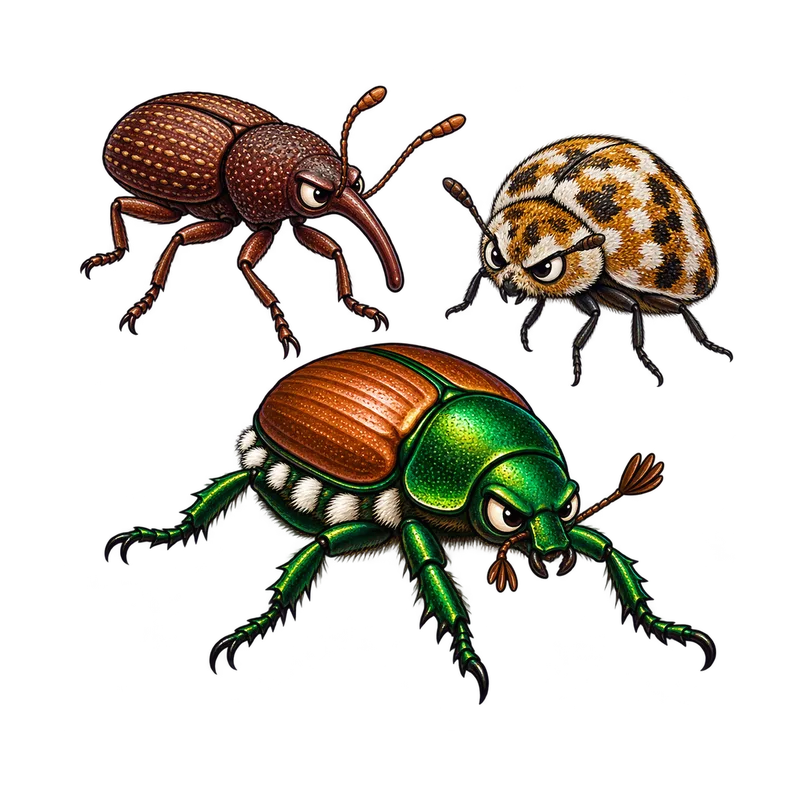
White grubs found beneath turf roots are the larval stage of various scarab beetles, which include Japanese beetles, European chafers, and masked chafers. These plump creatures measure from half an inch to an inch and a half long and feature a milky-white body with a shiny brown head.
What is actually going on
Imagine stepping out onto the back lawn on a bright Saturday morning with a cup of coffee, only to notice that a patch of grass near the patio looks distinctly dull and tired. You give it a casual tug to see if it needs water, and the whole chunk of turf peels right back off the dirt like an old rug. There is no resistance, no roots holding it down, and when you look closer at the loose soil underneath, you spot a handful of plump, pale, C-shaped creatures curled up in the dirt.
Those unwelcome residents are the larval stage of various scarab beetles, commonly known as white grubs. They spend their time underground in the top few inches of the soil, quietly chewing through the fibrous root systems that keep your grass anchored and hydrated. When their numbers get high enough, they prune away so many roots that the turf loses its grip on the earth entirely.
You might wonder how a few beetles turn into a subterranean lawn-mowing crew. Adult scarab beetles emerge in the early summer, fly around looking for a good place to lay eggs, and deposit them shallowly in moist soil. Those eggs hatch into tiny grubs by midsummer, and that is when the underground feast begins. By autumn, they are large and hungry, turning healthy green lawns into spongy, detached blankets of dead grass before they burrow deeper into the ground to survive the winter.
How to tell for sure
Before you blame grubs for every yellow patch in the yard, you need to look at what you actually dug up. True white grubs are usually easy to recognize once you know what to check, but people often confuse them with other soil-dwelling bugs. A real scarab grub usually measures anywhere from half an inch to an inch and a half long, features a shiny brown head, and usually has a milky-white body with a darker rear end where soil accumulates.
The most reliable way to tell a true white grub from other similar pests is to look right behind its head. A true grub usually has three distinct pairs of jointed thoracic legs. If the creature in your hand is completely legless, it is usually something else entirely, such as a billbug larva or a crane fly leatherjacket. Billbug larvae look like tiny, cream-colored grains of rice with brown heads, while leatherjackets are gray and maggot-like.
You also want to rule out other lawn troublemakers by checking how the ground feels. If your lawn feels like a squiggly, elevated foam mattress with raised dirt ridges running through it, you are probably dealing with mole crickets tunneling beneath the surface rather than white grubs clipping roots. Grubs usually leave the soil flat and firm, just completely unanchored from the grass above it.
What usually comes next
Once you confirm that you actually have white grubs and not something else, you usually have to figure out whether their numbers cross the line from a minor nuisance to a real threat. Most average, well-watered lawns can easily tolerate five to ten grubs per square foot without showing much stress above ground, because healthy grass grows roots faster than the grubs can eat them. If your counts are low and the lawn looks fine, you can usually leave them be.
When your spade turns up fifteen or twenty grubs per square foot, or when skunks and raccoons start tearing up your turf at night to dig them out for a snack, you need to take action. Timing is everything here, and trying to fix the problem at the wrong time of year is usually a waste of effort. Treating the lawn in midsummer when the eggs have just hatched and the young grubs are small works very differently than trying to chase large, mature grubs around in the spring when they have already stopped feeding to pupate.
You also have to be careful with biological remedies. If you decide to use Milky Spore powder, keep in mind that it acts like a very specific key that only fits one lock. It is designed exclusively to control Japanese beetle grubs and will do absolutely nothing if your yard is infested with European chafers or masked chafers. The same goes for beneficial nematodes, as different microscopic roundworms target completely different pests beneath the soil.
When to get help
There are moments when handling white grubs moves past a casual weekend yard project and calls for outside assistance. If you have applied the right treatments at the correct time of year, watered them in properly, and still watched your lawn deteriorate under a heavy grub infestation, it is usually time to bring in a professional lawn care service or reach out to your local agricultural extension office.
You should also consult an expert if you cannot figure out which specific beetle species is living in your soil. Because certain biological controls and regional tactics only work on specific scarab types, getting a definitive identification might require a university diagnostic lab to inspect the microscopic patterns on the underside of the grubs. If you are managing a large acreage or commercial property, or if your local regulations restrict certain chemical classes, local professionals can ensure applications comply with all safety and environmental rules.