
How can cucumber beetles be monitored before a crop is damaged?
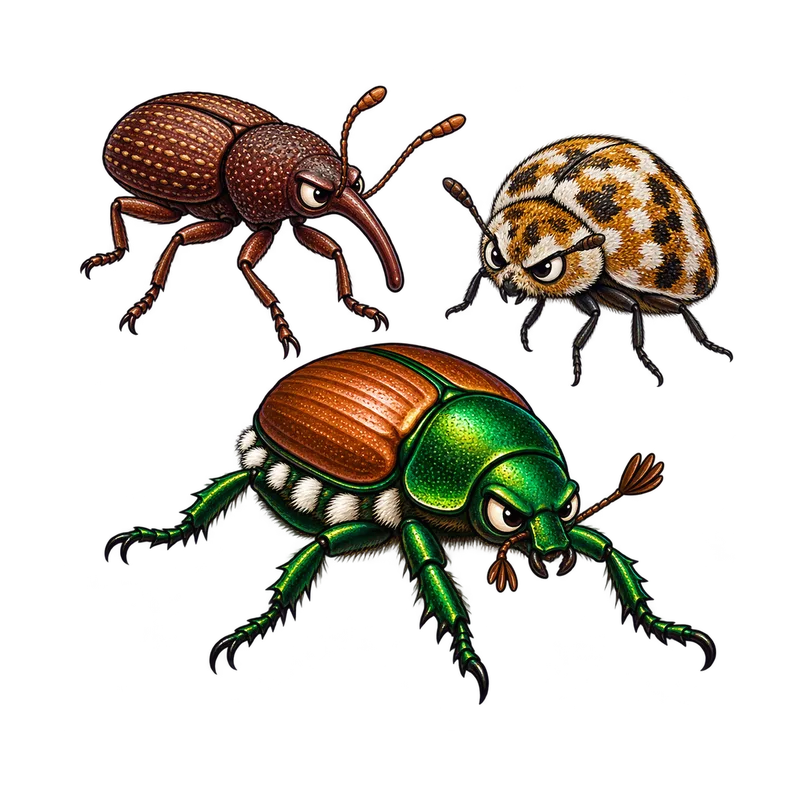
Cucumber beetles can be monitored effectively by walking your rows systematically and counting the pests on leaf undersides before damage appears. The required counting method and action threshold depend on your local history of bacterial wilt and your crop type, with a strict limit of one beetle per one hundred feet of row in sensitive areas.
What is actually going on
Picture walking down a quiet garden path early in the morning, holding a cup of coffee while you check on your newly sprouted summer squash and cucumbers. Everything looks peaceful until you spot a tiny insect sitting right on a bright green leaf, wearing what looks like a miniature athletic jersey marked with bold yellow and black stripes. That neat pattern is your signal to stop and pay attention. You are looking at a cucumber beetle, and the reason you need to monitor for it right now is simple: waiting until you see chewed foliage or wilting vines usually means you have already lost the race.
These beetles do not just nibble on leaves and scar young stems. More destructively, they carry bacterial wilt inside their digestive tracts and inject it directly into the plant vascular system while feeding. Once that bacteria gets inside, it multiplies and blocks the flow of water, causing healthy vines to collapse overnight. Because post-infection chemical sprays cannot cure bacterial wilt, your only real defense is catching the beetles before they feed.
You might assume that a casual glance over your garden patch is enough to spot an infestation, but these insects hide in leaf axils and on the undersides of cotyledons during cool mornings. Effective monitoring requires walking your rows systematically, checking linear footages, and counting pests before the numbers cross the line from a minor nuisance into an active crop threat. It feels like strict accounting, but that early counting is the only way to keep your harvest from drying up in the midday heat.
How to tell for sure
Identification comes before control, and you usually need to look closely at what is sitting on your plants to avoid treating the wrong pest. The striped cucumber beetle usually features longitudinal black and yellow stripes along its hardened wing covers. Its cousin, the spotted cucumber beetle, usually sports a yellow-green body marked with distinct black spots. Both measure about one-quarter of an inch long, which makes them easy to spot if you take a moment to look at the leaf undersides.
Do not confuse these pests with larger insects like the Colorado potato beetle, which is rounder and carries ten broad black stripes, or tiny striped flea beetles that jump away actively when approached. You should also take care not to mistake the wilting caused by cucumber beetles with the damage done by squash bugs or stem-boring squash vine larvae.
When you start your counts, walk your garden blocks in a pattern that covers the edges and the middle, since overwintered adults usually migrate in from weedy borders first. Measure your counts per linear unit of row rather than guessing based on random leaf glances. The standard action threshold for direct feeding damage on seedlings is usually one beetle per ten feet of row. However, if you live in an area with a history of bacterial wilt or are growing highly sensitive crops like cantaloupes and cucumbers, that threshold drops tenfold to a much stricter one beetle per one hundred feet of row.
What usually comes next
Once your counts show the beetles have crossed the line into trouble, you need to decide how to respond without wasting effort or harming the bees that visit your blossoms. If your plants are still tiny seedlings, you can block the bugs physically by laying lightweight floating row covers right over your beds as soon as you finish planting. Picture these covers as a breathable mesh blanket that lets sunshine and rain touch the soil while locking out anything trying to land on the tender stems.
You can also outsmart the calendar by delaying your squash and pumpkin planting until mid-June, which lets you miss the heavy spring rush of overwintered adults waking up hungry. When you decide to apply treatments, you have to read the product label from start to finish. Organic choices include spreading kaolin clay to form a dusty barrier, using azadirachtin to mess with insect growth, spraying neem oil, or relying on pyrethrins, keeping in mind that some sprays need to dry fully and have zero-day wait times before you pick your vegetables. Synthetic options span from quick-working pyrethroids like permethrin to longer-lasting systemic products like imidacloprid, which demands careful adherence to all bee safety warnings printed on the container.
The trickiest part of the whole process comes down to timing your moves. If you covered your young plants with mesh earlier in the season, you have to pull those covers off the very day your plants start flowering. Leaving them in place past the bloom stage stops bees from pollinating your crop and ruins your chances of getting any fruit, meaning you saved the leaves only to lose the harvest.
When to get help
There are moments when managing a garden plot or a farm field gets complicated enough that you should bring in outside help. If you see whole runner vines collapsing into sudden wilt that has nothing to do with dry soil, or if your beetle counts soar past the safe limits in an area known for bacterial wilt, it makes sense to call your local university extension office or a crop advisor.
Every choice involving chemical sprays must follow the product label exactly as written. Commercial growers and large farm operations should always rely on licensed pesticide applicators when choosing regulated products or handling broad-spectrum treatments to keep the workplace safe and meet local laws. If you ever find an odd insect that refuses to match standard descriptions, reach out to your regional plant health authority or department of agriculture to get a proper lab identification before you spray a single leaf.