
What are black bugs in flour?
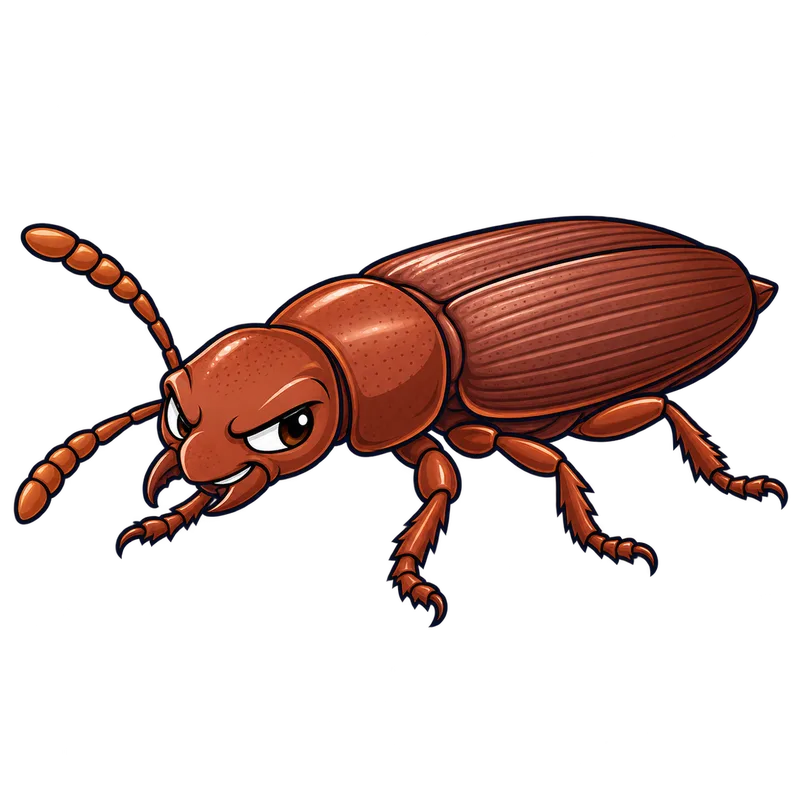
Black bugs in flour are almost always adult pantry beetles, such as red flour beetles or confused flour beetles, which measure around three to four millimeters long. These insects usually arrive as microscopic eggs laid inside food processing facilities before the product reaches the grocery store.
What is actually going on
You reach into the back of the pantry for that half-bag of all-purpose flour you bought a couple of months ago, planning to bake a weekend loaf of bread. As you tilt the paper bag over the mixing bowl, a handful of tiny, fast-moving dark specks tumble out alongside the dry ingredients. You squint under the kitchen lights and realize the flour is crawling.
When people spot black bugs in flour, they are almost always looking at adult pantry beetles. These are small insects that treat your baking supplies as both a permanent home and an endless buffet. The phrase itself is a visual description rather than a single biological name, because a few different critters can end up in your dry goods and look dark against white flour.
The most common culprits are red flour beetles and confused flour beetles, which measure around three to four millimeters long, or roughly the size of a sesame seed. You might also run into drugstore beetles or cigarette beetles, which are slightly shorter, stout, and have a distinct humpbacked profile when viewed from the side. These insects are classified as secondary pests, meaning they cannot break through whole, undamaged grain kernels. Instead, they rely on milled grains, flour, cornmeal, and processed starches that are already ground up for your kitchen use.
You might wonder how they got in there if the bag was supposedly sealed. The uncomfortable truth is that pantry bugs rarely arrive because of dirty kitchen habits. In most cases, female beetles lay microscopic eggs right inside food processing facilities or through tiny gaps in package seals before the product ever reaches the grocery store shelf. Once those eggs hatch inside a warm pantry, the larvae feed quietly out of sight until you finally open the bag.
How to tell for sure
Figuring out what is crawling in your pantry usually requires looking closer than your naked eye can manage. If the creatures are beetles, they usually measure between two and four millimeters long and range from reddish-brown to dark brown or black. When you want to separate a red flour beetle from a confused flour beetle, you usually need a ten times magnification hand lens to inspect their antennae. The red flour beetle has antennae that end in a sudden three-segmented club, and it can actually fly in warm weather. The confused flour beetle has antennae that widen very gradually toward the tip, and it does not fly at all.
Drugstore beetles and cigarette beetles are another story. Drugstore beetles have a three-segmented club at the end of their antennae and distinct grooved lines running down their wing covers. Cigarette beetles have saw-toothed antennae and smooth wing covers without any grooves.
Sometimes what looks like a black bug is not an insect at all. If the flour appears to have a fine, grayish dust that seems to shift or move on its own, you are usually looking at microscopic grain mites. These pale, eight-legged arachnids are less than half a millimeter long and thrive when indoor humidity creeps up. You might even notice a faint, minty or sweet odor coming from the flour if mites are present. Booklice, which are tiny, soft-bodied, wingless insects, also show up in damp pantries where microscopic mold grows on the outer paper packaging.
If you happen to find small, rounded beetles with patterns of black, yellow, and white scales, or furry little larvae that look like tiny woolly bears, those are usually carpet beetles. While they mostly feed on animal fibers like wool and feathers, their wandering adults occasionally find their way into dry food storage if organic debris is lying around.
What usually comes next
The single most practical decision you need to make right now is whether to throw the infested package away or try to save it. The short answer is that you should immediately seal and discard any heavily infested food items. Do not attempt to sift the flour or salvage the container. Flour beetles secrete foul-smelling compounds called quinones that turn the flour greyish, impart a bitter, pungent taste, and encourage mold growth. Furthermore, beetle cast skins, frass, and microscopic mite debris cannot realistically be filtered out of milled flour.
Wrap the infested bag in a heavy-duty plastic trash bag, tie it shut, and walk it straight out to your outdoor bin. Once the contaminated food is out of the house, you need to empty the pantry shelf completely. Vacuum all the corners, cracks, and crevices where flour dust tends to accumulate, and remember to seal and discard the vacuum bag outside immediately. Scrub the shelves with hot, soapy water and let them dry entirely before you put anything back.
To protect future baking supplies from the same fate, transfer your flour, sugar, and dry mixes out of flimsy paper bags and into rigid glass, metal, or heavy-duty plastic containers with tight rubber gaskets. This creates an airtight barrier that keeps wandering insects out and stops an isolated package from spreading to the rest of your dry goods. If you want to be extra careful with newly purchased flour, you can place the sealed package in a freezer set to zero degrees Fahrenheit for four to seven days, which reliably kills off any hidden eggs or larvae before they have a chance to hatch.
When to get help
Most pantry pest situations resolve once you throw away the contaminated food, clean the shelves, and switch to airtight storage. However, certain situations call for outside help. If you have cleaned every shelf and thrown out the dry goods, but small beetles keep reappearing week after week, the infestation may have spread into structural wall voids, subfloors, or hard-to-reach crevices that require a professional pest control applicator.
Never spray chemical household insecticides directly onto food, inside food storage containers, or on food-contact shelf surfaces. If a persistent infestation requires structural crack-and-crevice treatments using registered products, that decision and application belong strictly to a licensed professional who understands pesticide label safety rules.
There are also health and biosecurity reasons to involve other experts. Inhaling or handling heavy concentrations of flour beetle debris or grain mite dust can trigger allergic reactions, contact dermatitis, or respiratory distress. If you or someone in your household exhibits persistent skin rashes, severe allergic symptoms, or breathing difficulties after handling infested food, consult a primary care clinician, urgent care facility, or your regional poison control center right away.
Finally, pay close attention if you ever discover densely hairy, small larvae in imported rice, specialty grains, or shipping containers. The khapra beetle is a high-priority agricultural quarantine pest whose larvae can cause severe gastrointestinal irritation if ingested and pose a massive threat to grain storage facilities. Any suspected sighting of this specific pest requires immediate reporting to state agricultural extension agents or national plant health authorities for official identification.