
What are black bugs in rice?
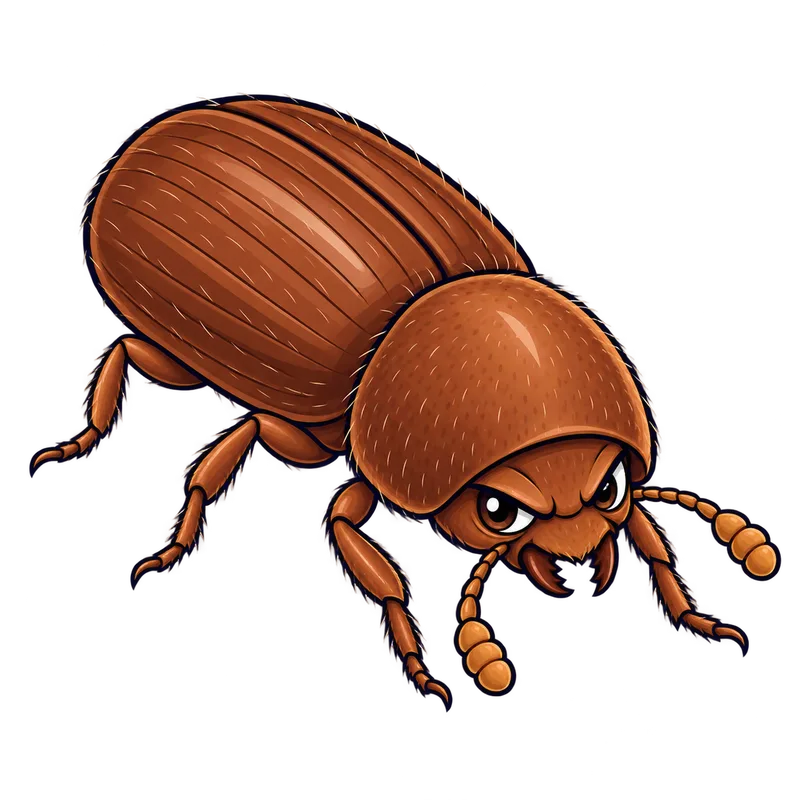
Black bugs in rice are typically adult stored-product beetles such as cigarette beetles, drugstore beetles, or flour beetles, though they can also be solid black carpet beetles measuring an eighth to a quarter of an inch long. In damper conditions, you might find tiny pale booklice or microscopic grain mites feeding on surface mold and grain dust.
What is actually going on
You are halfway through making dinner, you grab the bag of long-grain rice you bought a few weeks ago, and you tip it over a measuring cup. Instead of a smooth cascade of clean white grains, a handful of tiny dark specks and a few sluggish little bugs tumble out along with the rice. It is an instant mood killer, and you are left wondering how bugs got inside a sealed package in the first place.
What you are looking at are typically adult stored-product beetles, or in damper conditions, microscopic grain dust feeders. People tend to lump them all together under the general heading of rice bugs, but a closer look reveals a few usual suspects. The most common culprits in a pantry are small reddish-brown beetles like cigarette beetles, drugstore beetles, or flour beetles.
These insects generally fall into two camps, and understanding the difference explains how they got there. Primary pests have the mouthparts to chew right through an intact whole grain kernel. Secondary pests need a little help, feeding on grain dust, milled bits, or kernels that were already cracked or damaged during transit or storage.
If your kitchen has high humidity or a hidden moisture leak, you might also find tiny, pale, wingless insects called booklice or microscopic grain mites. These are usually not eating your rice out from the inside. Instead, they are feeding on the microscopic mold and grain dust clinging to the packaging or the damp grain surface.
How to tell for sure
You usually need a magnifying glass or a ten times hand lens to figure out exactly which bug you are dealing with, because most of them look like tiny brown specks to the naked eye. If you want to know what you are looking at, check a few physical details.
Cigarette beetles look like tiny, reddish-brown sesame seeds with a humped back, and their wing covers are smooth with fine hairs. Drugstore beetles look very similar, but if you look closely, their wing covers usually have distinct grooved lines and pits, and their antennae end in a clear three-segmented club.
Flour beetles come in two common varieties that look nearly identical. Red flour beetles have an abrupt three-segmented club on their antennae and can fly, while confused flour beetles have a gradual four-segmented club and do not fly. If you see solid black beetles that are about an eighth to a quarter of an inch long, you might be looking at black carpet beetles, whose fuzzy larvae often wander into food pantries from nearby woolens or carpets.
Booklice and grain mites are a different story altogether. Booklice are soft-bodied, translucent white or tan insects that scurry around rapidly, usually when things are too humid. Grain mites look like a moving layer of grey or cream-colored dust. If you crush them between your fingers, a heavy mite infestation will usually give off a distinct sweet or minty smell.
What usually comes next
When you spot these bugs in your rice, your best immediate move is to deal with the source by wrapping that infested package tightly in a plastic bag, sealing it securely, and walking it straight out to your outdoor trash bin. Leaving it sitting in an indoor kitchen bin just gives the insects an open invitation to wander off into neighboring boxes of pasta, cereal, or pet food.
It is tempting to try to salvage expensive or hard-to-find dry goods by picking out the insects, but that rarely solves the underlying issue. Once a package is heavily infested, the smartest choice is to discard it, vacuum out the cabinet cracks and corners where grain dust settles, and wipe down the shelves with warm soapy water before you put anything back.
If you have other unopened packages that were sitting right next to the infested rice and you want to make sure they are safe without throwing them away, you can place them in sealed plastic bags and put them in your freezer at zero degrees Fahrenheit for about four to seven days. That cold treatment kills off any hidden eggs or larvae before they can hatch and start the cycle all over again.
When to get help
Most pantry beetles and mites do not bite, sting, or carry infectious diseases, so finding them in your food is usually more of an appetite suppressor than a medical emergency. However, if you or someone in your home inhales heavy amounts of grain dust contaminated with mite skins or insect parts and starts experiencing persistent allergic reactions, asthma attacks, or skin rashes, you should consult a qualified clinician or seek urgent medical care.
There are also times when a do-it-yourself cleanup is not enough. If your pantry pests keep coming back despite your best efforts to clean, throw out infested foods, and seal everything in airtight glass or plastic containers, the breeding source might be hiding inside structural wall voids, subfloors, or ventilation ducts where you cannot reach it.
Commercial facilities, severe multi-room outbreaks, or suspected sightings of high-priority quarantine pests like the Khapra beetle require a licensed pest control professional or your local agricultural extension office. If you suspect an aggressive exotic pest that can devastate grain stores, getting an expert or a state biosecurity agency involved right away is the safest path forward.