
Why are bugs in a rice bag?
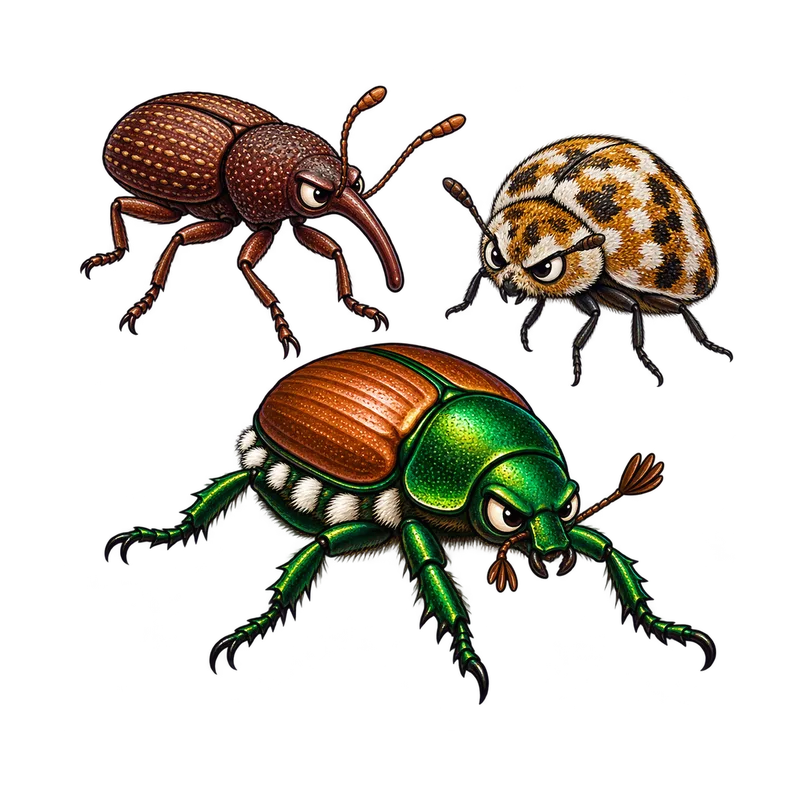
Bugs in a rice bag usually got there because microscopic eggs were laid inside the grain at the field or warehouse before packaging. Alternatively, hungry adult beetles can chew straight through paper or plastic packaging if the bag has sat untouched for months.
What is actually going on
You reach for the rice bag at the back of the pantry, tear open the top to make dinner, and notice tiny beetles or pale moving specks crawling through the grains. It is a deeply unpleasant surprise, especially if you pride yourself on keeping a clean kitchen. You might wonder how anything could possibly survive inside a sealed bag of dry food.
The short answer is that the bugs usually got there long before you bought the bag. Insects, mites, or booklice often infest grain right at the field, mill, or warehouse level before packaging ever happens. Female beetles lay microscopic eggs directly on individual kernels or inside cracks in bulk storage silos. Because those eggs are practically invisible, the grain looks pristine when it is bagged at the factory.
Sometimes, though, the pantry tells a different story. Certain stored-product pests have remarkably strong mandibles, which are jaw parts, and can easily chew right through paper, cardboard, foil, and thin plastic bags. If your rice bag has been sitting untouched for months, hungry adults may have found their way inside by gnawing through the packaging or squeezing through micro-punctures along the seams.
Once inside, these pests settle into an ideal environment. Pantries often trap warmth and humidity, and if those levels rise, beetle and mite populations expand exponentially. A few hidden eggs can turn into a thriving colony in just a few weeks, feeding on the rice and leaving behind fine dust, webbing, or a distinct, stale smell. It is rarely a reflection of your housekeeping skills and almost always a simple matter of biology finding an open door.
How to tell for sure
Finding insects in your rice usually comes down to spotting the culprits with your naked eye or noticing the subtle changes they leave behind. You are usually dealing with one of a few common visitors, and a closer look can help you figure out what you are looking at.
Flour beetles usually measure about one-eighth of an inch long, featuring a flat-bodied, reddish-brown appearance. If you look at them under magnification, you can tell the red flour beetle apart from its confused cousin by how its antennae end, though both behave as secondary pests that feed on broken grains and starch dust rather than whole, sound kernels.
Cigarette beetles and drugstore beetles are short, stout, and have a distinctive humped profile with their heads tucked down. They are broad feeders capable of chewing through packaging to reach whole rice or spices. Grain mites, on the other hand, look like microscopic, translucent-white dots. When they gather in huge numbers, they form a layer of what looks like moving dust and can produce a faint, minty smell if crushed.
Booklice are tiny, soft-bodied, pale insects that dart around rapidly. They are usually found where dampness has encouraged microscopic mold growth. If you see fine, silky webbing clinging to the rice grains, you are likely looking at the work of pantry moth larvae, which spin threads as they feed on the grain.
What usually comes next
When you discover an active infestation in a bag of rice, the choice usually comes down to tossing the food or trying to save it. For heavily infested packages, throwing it away is the cleanest solution. Wrap the bag tightly in a thick trash bag, tie it off, and carry it straight to an outdoor bin so the bugs do not wander off to find other boxes in your cupboards.
If the problem is barely noticeable or you just want to treat unopened packages that might harbor hidden eggs, cold temperatures work well without any need for chemical sprays. Freezing is a reliable, chemical-free option. Put the rice into a sealed plastic bag, press out as much air as you can to stop moisture from building up, and leave it in a freezer running at zero degrees Fahrenheit for four to seven days.
Once you pull the bag out, let it sit on the counter for up to a full day before peeling open the outer wrapping. That way, any condensation forms on the outside of the plastic instead of wetting the cold rice inside. You can also heat small batches of grain on baking sheets in a low oven, though you have to keep a close eye on it so the food does not scorch.
After you clear out the ruined food, empty your pantry completely. Vacuum every crack, corner, and peg hole where grain dust settles, and wash the shelves down with warm, soapy water. From then on, take your dry rice, flour, and grains out of their original paper sacks and put them into airtight glass, metal, or hard plastic containers with rubber gaskets to block wandering pests.
When to get help
Most pantry insect issues clear up with a bit of cleaning, trash disposal, and better storage jars, but stubborn cases need backup. If pests keep showing up across multiple cupboards even after you throw away bad food and scrub every shelf, the insects might be breeding out of reach inside wall cavities, subflooring, or structural insulation where your vacuum cannot go.
Health concerns are another reason to pause. Shed skins, tiny body parts, and waste dust from beetles and mites are strong indoor allergens. Handling heavily infested grain can cause contact dermatitis, which is an itchy skin rash once called grocer's itch or baker's itch. Breathing in that fine dust can also spark allergic rhinitis, watery eyes, or trouble catching your breath. If anyone in your home deals with ongoing rashes, eye irritation, or breathing issues after cleaning out the pantry, talk to a doctor or medical specialist right away.
In unusual instances, you might run into regulated quarantine pests hiding in imported grain or niche products. Those particular larvae wear coats of stiff, barbed hairs that can upset your stomach if swallowed and cause sharp allergic reactions on contact. If you suspect you are dealing with a regulated pest instead of a common pantry beetle, contact your national agricultural or biosecurity agency rather than trying to handle the disposal yourself.