
Why are black weevils in the house?
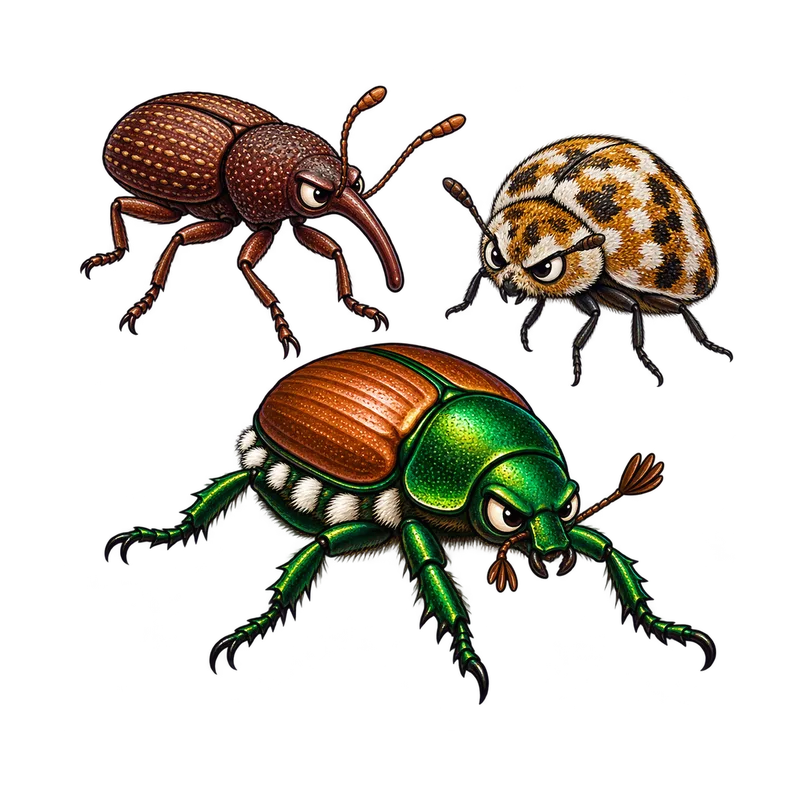
Black weevils and similar small beetles show up in the house because they are looking for a meal, a place to hide from the elements, or a safe spot to lay eggs in stored grains and dry plant material. They often hitchhike inside bags of flour or birdseed from the grocery store, or they wander in through gaps in screens.
What is actually going on
You are wiping down the kitchen counter on a lazy Saturday morning, and you spot a tiny, dark, hard-shelled beetle doing a slow march across the laminate. You check the pantry, and there is another one crawling near the oatmeal. Naturally, you want to know why they showed up uninvited.
In everyday conversation, people call almost any small, dark home-invading insect a black weevil, but the truth is a bit more varied. These visitors usually arrive because they are looking for a meal or a place to hide from the elements. Some hitchhike right into your house inside a bag of flour, birdseed, or dry pet food you just brought home from the grocery store. Others are strong fliers that spot your porch light or an illuminated window after dark and simply wander in through a gap in the screen.
Once they get inside, they do not just hang around for the view. Pantry pests are looking for stored grains and dry plant material to lay eggs in, while fabric-loving species seek out wool, feathers, or accumulated hair and lint tucked away in dark baseboards. If your house has high humidity and damp corners, it might also encourage mold growth, which draws in other tiny moisture-loving critters that get mistaken for beetles.
You might wonder why they picked your house out of all the houses on the block, as if you left a neon welcome sign above the door. Usually, it has nothing to do with housekeeping and everything to do with opportunity. A single unsealed box of cereal or a forgotten bag of dried flowers in the spare bedroom gives them all the food and shelter they need to set up camp.
Identification has to happen before you can figure out what to do with them, and that usually means taking a close look at the anatomy of your unwanted guest. True weevils belong to a specific family and are easy to spot if you look at their heads. They possess an elongated snout with chewing mouthparts right at the tip, which makes them look a bit like a tiny, leggy elephant.
Most of the time, however, the little black beetles you find in the house are not true weevils at all. Pantry beetles, flour beetles, and carpet beetles lack that distinctive snout entirely. Instead, their heads are often tucked beneath a rounded body shield, giving them a smooth, humped appearance from the side.
If you grab a magnifying glass, you can often tell them apart by looking closer at their wing covers and antennae. Cigarette beetles usually have smooth wing covers and antennae that look like tiny saw blades, while drugstore beetles have grooved wing covers and antennae that end in a three-segmented club. Flour beetles come in red-brown shades and either fly toward light or stay on foot depending on the exact species.
Carpet beetles generally show up as small, oval, dark bugs crawling near windowsills, while their larvae look like tiny, bristly, carrot-shaped caterpillars. If you are seeing tiny moving specks that look more like a dusting of gray flour on a damp shelf, you are usually looking at booklice or grain mites rather than beetles.
How to tell for sure
Once you figure out what you are dealing with, the smartest move is to stop guessing and start hunting for the source. Throwing away a single box of infested crackers will not fix the issue if a dozen other bugs have already migrated into cabinet cracks or behind shelf paper.
You need to inspect every dry food package, pet food bag, and stored woolen item in the immediate area. Look for fine dust, webby clumps, or tiny holes in packaging, which signal an active infestation. If you find a compromised package, seal it inside a heavy plastic bag and toss it straight into an outdoor garbage bin.
After you clear out the obvious culprits, give the entire cabinet or closet a thorough vacuuming to suck up any stray adults, eggs, or larvae hiding in the corners. Clean the shelves with warm soapy water before you put anything back, and transfer all vulnerable dry goods into hard plastic, glass, or metal containers with tight lids.
If you have a small wooden item or a small batch of dry food that you want to salvage without throwing away, you can use temperature extremes. Placing items in a home freezer at zero degrees Fahrenheit for a few days will kill all insect life stages, provided you let the items return to room temperature slowly inside their sealed bags to prevent moisture condensation.
What usually comes next
Most household beetle situations respond well to basic sanitation and careful food storage, but certain scenarios call for outside backup. If you are dealing with a severe, multi-room infestation that spans an entire apartment building or a large historic property, you should bring in a commercial pest management professional who has the right tools for structural inspections.
Commercial food facilities, warehouses, and large distribution operations also require licensed applicators to handle complex integrated pest management plans or regulated treatments. If you suspect an incursion of the Khapra beetle, which is a high-priority regulated quarantine pest, you must report it immediately to your national agricultural or biosecurity authority for official diagnostic verification.
When to get help
On the health side of things, remember that the shed skins and barbed hairs of certain carpet beetle larvae can trigger skin irritation, itching, or respiratory allergies when they accumulate in household dust. If you or someone in your home experiences persistent skin rashes, eye irritation, or breathing difficulties, stop trying to solve the pest issue and consult a primary care clinician, urgent care facility, or regional poison control center right away.