
Are spotted lanternflies found in Rhode Island?
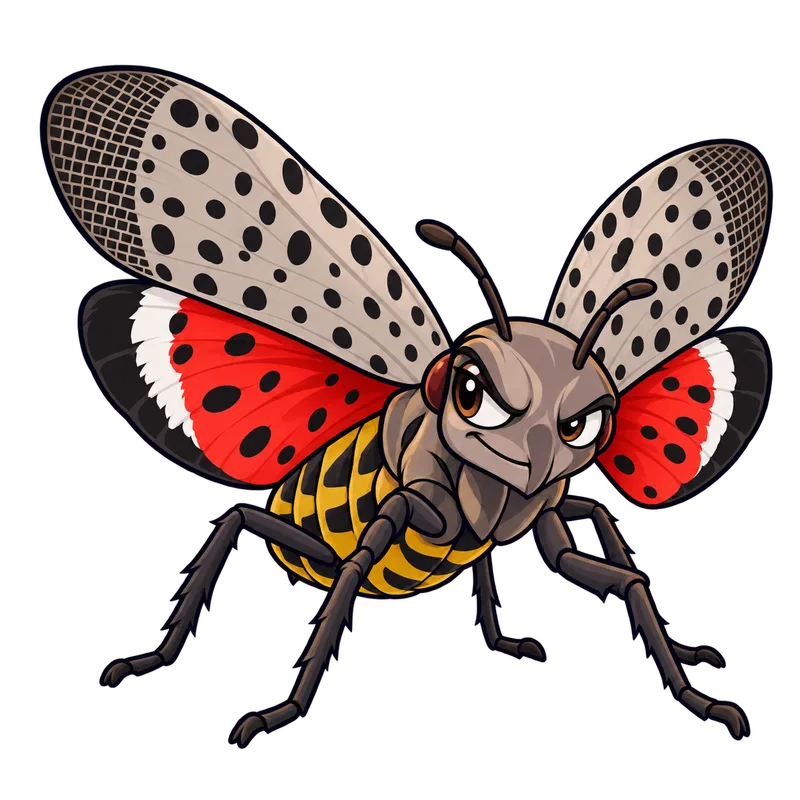
Yes, the spotted lanternfly is present and established in Rhode Island. Official plant health monitoring confirms that populations of this sap-feeding planthopper have taken root in the state, spreading easily as eggs hitchhike on vehicles and outdoor gear from infested areas.
What is actually going on
Imagine walking out to your driveway on a warm late-summer afternoon, reaching for the door handle of your car, and noticing a strange, brightly colored bug perched right on the metal. It looks like a beetle wearing a red coat with white polka dots, but the moment you get close, it launches itself away with the speed of a miniature spring. That is the kind of encounter bringing people indoors to check the news these days. If you are wondering whether those creatures have made it to Rhode Island, the short answer is yes. Official plant health monitoring confirms that the spotted lanternfly is present and established within the state.
This unwelcome visitor is not a native species. It is a sap-feeding planthopper originally from Asia that somehow found its way onto American shores a decade ago. Since then, it has spread aggressively across the Mid-Atlantic and New England. Rhode Island is far from alone in dealing with it, as populations have taken root across multiple neighboring states.
The concern is not just that these bugs are strange to look at. They use specialized mouthparts to pierce plant stems and drink the sugary sap inside. When thousands of them descend on a single tree or a backyard vineyard, they drain its vitality, leaving behind oozing wounds and drooping leaves. To make matters worse, they process that sap and excrete a sticky liquid called honeydew. That syrup coats everything underneath the tree, creating a sticky varnish on patio furniture and car hoods alike, which quickly grows a thick layer of black sooty mold.
The reason they show up in new places so easily comes down to how they travel. Female lanternflies are not picky about where they lay their eggs. Instead of sticking strictly to leaves, they coat tree bark, stone walls, and even the sides of cars, trailers, and outdoor camping gear in a protective gray substance. A family taking a weekend trip from an infested zone can unknowingly haul dozens of hidden eggs across state lines on a bumper or a roof rack. That passive hitchhiking is the primary engine driving their spread.
How to tell for sure
Before you start worrying about what to do, you need to know what you are looking at. Spotted lanternflies go through several distinct life stages, and they look entirely different depending on the season.
From October through May, you are usually looking for egg masses. They usually resemble a smudge of old, cracked mud or wet gray putty, roughly an inch or two long, plastered onto a hard surface. If you see something on your firewood stack or your backyard swing set that looks like a casual splash of dried cement, take a closer look.
When those eggs hatch in late spring, the tiny nymphs emerge. For the first few months, early instars usually appear as small, dark insects with white spots, crawling rapidly over stems and foliage. By mid-summer, they transform into fourth-instar nymphs, which are the ones wearing that bright red-and-black pattern with white polka dots. They cannot fly yet, but they jump with impressive energy.
Adults usually appear around July and stick around until the first hard frost. At rest, an adult looks a bit like a drab, grayish-tan moth folded tent-style against a tree trunk, measuring around an inch long. But the moment it opens its wings to jump or fly, it flashes a bright crimson underwing marked with black spots and a distinct white bar. That flash of red is the absolute giveaway. If you want official confirmation for a new town record, local samples usually go straight to the URI Plant Protection Clinic in Kingston.
What usually comes next
Finding a stray bug on a passing truck does not mean your yard is overrun, but spotting massed eggs or heavy swarms of nymphs calls for a practical response. The most immediate and effective task a homeowner can handle personally is destroying overwintering egg masses.
Between October and May, grab a stiff plastic card or a putty knife and scrape those mud-like smudges right off the tree bark or patio furniture. Do not just let them drop to the dirt, because eggs scraped directly onto soil often survive the winter and hatch just fine when spring arrives. Instead, scrape them straight into a container filled with rubbing alcohol, bleach, or soapy water. Let them soak for at least two full days to ensure they are completely dead before you toss them in the trash.
If you are thinking about spraying chemicals, remember that general insecticides often cause more trouble than they solve by wiping out beneficial predatory bugs that naturally keep other pests in check. Tree banding with sticky barriers is another option for catching crawling nymphs in the spring, but those bands need protective wire mesh over them to keep songbirds or small mammals from getting stuck. For large shade trees or high canopy treatments, leave the internal tree treatments and heavy-duty sprays to a licensed commercial pesticide applicator who knows how to handle the product labels safely.
When to get help
Most backyard encounters with a single lanternfly or the chore of scraping an egg mass off a porch railing can be handled on your own. However, certain situations call for professional intervention or official reporting.
If you discover a suspected spotted lanternfly population in a Rhode Island town where it has not been heavily documented yet, take a clear photograph or capture a specimen and report it to the Rhode Island Department of Environmental Management or the university plant clinic. Tracking the edge of their spread helps agricultural authorities monitor the state quarantine zones.
For widespread infestations covering large ornamental trees or valuable agricultural crops like vineyards and orchards, contact a licensed professional. Large-scale chemical applications require specialized gear, precise timing to protect pollinators, and strict adherence to federal and state pesticide laws.
Finally, keep safety in mind if you are working outdoors near wildlife. Never handle injured wild animals, and if you ever experience an animal bite or suspected rabies exposure during yard work, contact your local public health authorities immediately. For routine garden pests, a little patience and careful monitoring will usually point you in the right direction.