
What do spotted lanternfly nymphs look like before the red stage?
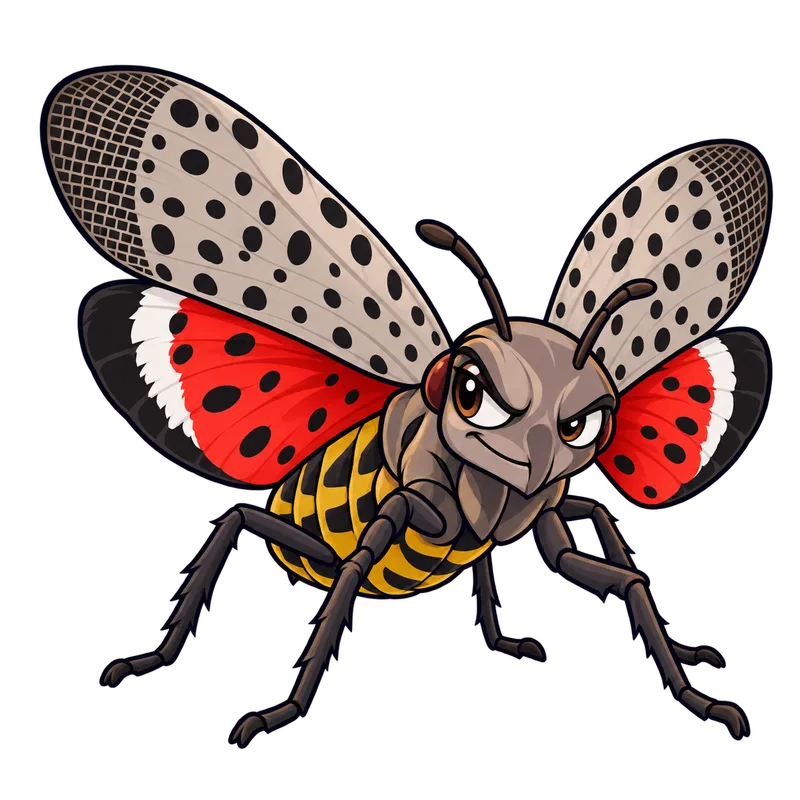
Before the red stage, early spotted lanternfly nymphs are entirely wingless, solid black insects covered in distinct, bright white spots. During their first phase running from May through July, they do not show a single hint of red pigment and look like small spiders.
What is actually going on
Imagine walking out to check the garden with your morning coffee in late May, flipping over a tender young grape leaf, and noticing a dozen tiny, active bugs dart away with surprising leaps. You might wonder what on earth just hatched in your yard. Before they develop their bright red bodies later in the season, early spotted lanternfly nymphs are entirely wingless, solid black insects covered in distinct, bright white spots. During their first developmental phase, which typically runs from May through July, they do not show a single hint of red pigment. They look less like flying insects and more like small, athletic spiders wearing black jackets with white polka dots. Because they are so small and agile, people often mistake them for ticks or lady beetle larvae at first glance, but these little hoppers have six legs and the distinct body proportions of planthoppers.
As soon as they hatch, these early black-and-white nymphs get straight to work feeding on plant sap. They use specialized piercing-sucking mouthparts to puncture the tender vascular tissues of soft stems, leaf petioles, and young shoots. This sap-slurping lifestyle comes with a messy side effect, because the nymphs consume large volumes of liquid to extract enough protein, they excrete a sweet, sticky fluid called honeydew. If you find a fine mist of sticky residue coating your outdoor patio furniture, a car windshield, or the lower foliage of a favorite maple tree, you are likely seeing the handiwork of these pests. Over time, that sticky layer attracts black sooty mould, which darkens leaves and blocks the sunlight plants need to stay healthy.
How to tell for sure
Looking at the color pattern is the most reliable way to confirm what you are dealing with. Between May and July, early nymphs are jet black with striking white spots scattered across their dorsal surface, abdomen, and legs. They do not have wings during this stage, so you will never see them flying around your ornamentals or garden beds. Instead, they crawl or use their strong hind legs to leap away when disturbed. You usually find them clustered on tender, succulent new growth, the undersides of leaves, and soft shoot tips rather than scaling thick tree trunks, which are preferred by the later stages and adults.
People often expect every spotted lanternfly to feature vibrant red patches or large wings, but that look only belongs to the older versions. By the time July rolls around, these early black-and-white nymphs usually undergo a dramatic moult into their fourth instar or late nymphal stage. That is when they swap their black coats for a bright red body patterned with black patches and white spots. Adults emerge later in the summer, growing to a length of twenty to twenty-six millimeters and sporting large, translucent wings with dark veins. If your scouting reveals tiny black insects with white dots instead of red bodies, you are looking at the early phase.
What usually comes next
Finding these early nymphs means you need to look closer at your landscape before they have a chance to grow, multiply, and damage your plants. Start by inspecting high-risk host plants in your yard, especially tree-of-heaven, cultivated grapevines, hops, stone fruit trees, maples, and oaks. Walk the property with a magnifying glass or smartphone magnifier to check the soft joints and leaf undersides where these bugs like to congregate.
If you are outside the known quarantine zones or living in an area tracking this invasive pest, taking immediate action is critical. When you spot early black nymphs, take clear photographs and contact your local agricultural extension office or state department of agriculture to report the find. For physical management on your own property, you can wrap tree trunks with sticky barrier bands to catch the wingless nymphs as they crawl upward to feed. Keep in mind that egg masses left over from the previous winter look like smears of dried mud or cracked mortar on tree bark, stone surfaces, or outdoor gear. You can scrape those putty-like grey masses off using a flat tool like a butter knife, dropping them directly into a container filled with soapy water or rubbing alcohol while wearing protective gloves and safety goggles.
When to get help
Spotted lanternfly nymphs do not bite, sting, or carry toxins that harm human skin or domestic pets, but heavy infestations can ruin the health of your trees and vines. If you experience an allergic reaction, skin irritation from plant work, or accidental exposure to pest control products, contact a qualified clinician, urgent care center, or poison control center right away.
When you discover large-scale infestations in commercial orchards, mature woodlands, or extensive vineyards, bringing in outside help is the safest route. Contact a certified arborist or a licensed pesticide applicator to evaluate the property and recommend appropriate management strategies. Because this pest is heavily regulated across many regions and international borders, local agricultural agencies rely on public sightings to monitor spread, so professional verification and official reporting help protect regional agriculture from widespread economic damage.