
What damage can spotted lanternflies cause?
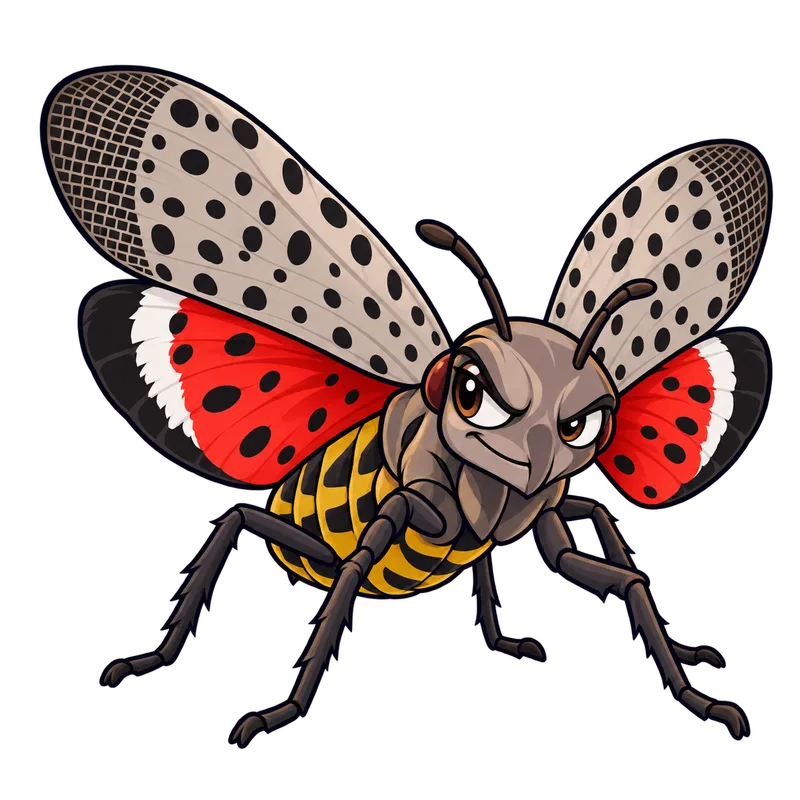
Spotted lanternflies cause damage by using piercing mouthparts to suck vital sap from more than 70 plant species, draining water and nutrients. This feeding leads to weeping wounds and branch dieback, while their sugary excrement grows a thick sooty mold that blocks sunlight and ruins crops.
What is actually going on
Picture walking out to the back patio on a crisp autumn morning, reaching for the handle of a lawnmower, and noticing what looks like a smear of wet grey mud plastered against the metal. It does not wash off easily. If you look closer, that strange patch is actually a cluster of tiny, parallel insect eggs laid by a spotted lanternfly. You might wonder how much harm a slow-moving bug can really cause, especially when it is not chewing big holes through your garden leaves.
The short answer is that spotted lanternflies do not need to chew leaves to wreck a plant. Instead of tearing foliage, these invasive planthoppers use piercing, straw-like mouthparts to tap directly into the plant vascular system. They feed by sucking out vital sap, draining carbohydrates and water reserves right when a vine or a tree needs them most. When thousands of them crowd onto a single trunk or branch, they act like a thousand tiny straws draining the life out of the host.
This feeding behavior leads to two distinct kinds of trouble. First, there is direct physiological stress. The constant puncturing causes weeping sap wounds, leaf discoloration, twig wilting, and overall branch dieback. Commercial vineyards and fruit orchards take the hardest hit because the stress robs vines of their cold hardiness and fruit yields. Second, as these insects feed, they excrete a sticky, sugary liquid called honeydew. This mess coats the leaves and fruit below, quickly growing a thick layer of dark sooty mold that blocks sunlight, halts photosynthesis, and ruins the harvest.
Beyond the garden, these insects cause widespread regulatory chaos. They are polyphagous, meaning they feed on more than 70 different plant species, though they show a strong preference for the invasive tree of heaven. Because females lay their putty-like egg masses on almost any flat surface, from firewood and patio furniture to vehicle tires and trailer frames, populations hitchhike effortlessly across regional lines. That habit turns a local garden annoyance into a major biosecurity emergency.
Spotted lanternflies damage plants through a combination of direct vascular exhaustion and indirect secondary fungal growth. When nymphs and adults gather in large aggregations, their continuous piercing and sucking removes large amounts of phloem sap. This depletes the plant of stored nutrients and water, leading to localized tissue death, weeping wounds on trunks and branches, and general loss of vigor. The preferred primary host of the insect is the tree of heaven, but agricultural crops such as commercial grapevines, hops, and various fruit trees suffer disproportionately severe impacts from this sap-drainage.
The sugary excrement known as honeydew adds another layer of destruction. As it blankets foliage and fruit, it feeds opportunistic sooty mold fungi. This dark coating cuts off light penetration, severely reducing the capacity of the plant to photosynthesize. For a vineyard owner or orchard manager, this means fruit becomes unmarketable and plants struggle to store enough energy to survive the winter.
How to tell for sure
Spotting these pests usually depends on the time of year and the life stage you are looking at. In the late spring and summer, you are likely to spot the active insects. Nymphs start out small and black with white spots, later growing bright red patches alongside those spots before turning into winged adults with greyish, black-spotted forewings and striking red underwings. They usually cluster in large, conspicuous groups along the trunks and stems of preferred trees, particularly the tree of heaven.
When the weather turns cold in late fall, winter, and early spring, the adults die off, leaving behind their dormant legacy. This is when you find the egg masses. A fresh egg mass usually looks like a smooth smear of grey putty, wet concrete, or fresh mud, roughly 1 to 2 inches long. It contains between 30 and 50 individual eggs arranged in straight, parallel lines.
As winter wears on, that muddy smear cracks, fades, and darkens until it looks just like old mortar or dried-up dirt. You will usually spot them on smooth hardwood bark, but there is no rule saying they have to stay in the forest. Females deposit these clutches without a second thought on stone walls, metal siding, wooden fence posts, camping gear, and the undersides of vehicles.
People constantly mistake these egg cases for harmless dirt splatters or accidental concrete drips, which makes a sharp eye essential. One widespread myth claims that spotted lanternflies chew holes in leaves the way caterpillars or beetles do. Since they only drink sap, you will never find torn leaf edges. Instead, look for sticky trails, dark mold, and weeping wounds on the tree trunk.
What usually comes next
Finding an egg mass on your property or gear means your best move is scraping it away right then, long before the spring hatch. Leaving it alone practically guarantees a fresh swarm of hungry nymphs when the weather turns warm. You do not need fancy tools for the job, just a bit of care and common household items.
Grab a flat scraper, like a stiff putty knife or an old butter knife, along with a jar filled with soapy water or rubbing alcohol. Pull on safety goggles and work gloves before you touch anything. That outer egg coating tends to flake or fly when scraped, and nobody wants debris in their eyes. Hold the jar right under the mass, press your scraper flat against the bark, and push the eggs straight down into the liquid.
If the eggs sit high up on a tall shade tree or an awkward roofline, do not risk a bad fall on a shaky ladder. Hard-to-reach spots and massive infestations usually demand patience and a professional look instead of a dangerous do-it-yourself try. Anyone hauling firewood, patio furniture, or camping gear out of a known quarantine zone needs to inspect every square inch beforehand. Purchase and burn firewood close to home to avoid giving these bugs a free ride across state or regional lines.
When to get help
Spotted lanternflies are strictly managed quarantine pests, meaning your duties go way beyond your own property line. Finding them in a county or region where they have never turned up before requires an immediate report to the local agricultural department, state extension office, or invasive species council. Quick reports give authorities a fighting chance to track and slow the spread before local farms take a heavy hit.
You should also call in professionals when the infestation outgrows normal yard care. Commercial vineyard owners, fruit growers, and tree farm managers facing heavy swarms need to consult a licensed pest control operator or university specialist to set up proper treatment thresholds. Treating large commercial fields or towering canopy trees takes specialized gear and licensed pesticide applications to keep neighboring ecosystems safe and stay on the right side of the law.
Finally, if you worry about your family health, keep in mind that spotted lanternflies lack stingers and never bite people, pets, or livestock. They are dedicated plant pests that present zero direct physical danger to human health. Anyone dealing with strange skin bites or rashes should check for typical household culprits like mosquitoes, ticks, or fleas, and talk to a qualified clinician for proper medical advice.