
Should you kill a spotted lanternfly?
Individual spotted lanternflies should be killed on sight if you live in a region where officials already know they are entrenched. If you find them in a place where they have never been recorded before, you should first take a photograph and note your location so you do not destroy the proof biosecurity officials need.
What is actually going on
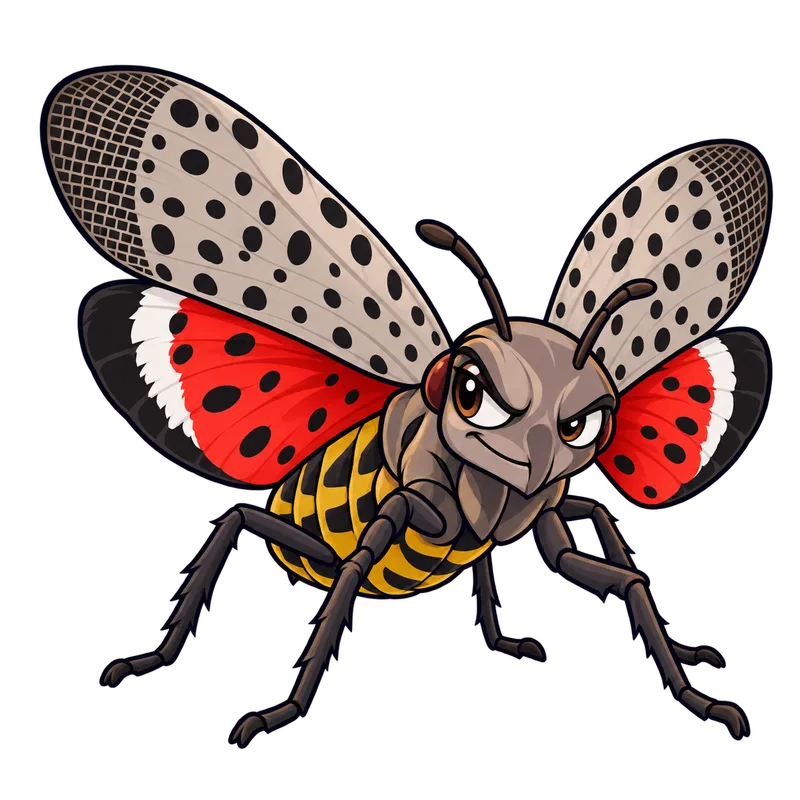
You walk out to your back deck on a warm August afternoon, set your iced tea down on the railing, and notice a small swarm of strange insects clinging to the trunk of your maple tree. They have grey wings peppered with black spots, and when one of them leaps away, it flashes a vivid crimson underwing that catches you completely off guard. If you live in an area fighting this agricultural pest, your immediate instinct is probably to reach for a shoe and squash every single one you can find.
Yes, individual spotted lanternflies should be killed on sight, but there is a major catch depending on where you live. If you spot these sap-sucking planthoppers in a region where officials already know they are entrenched, go ahead and crush them. Local suppression helps reduce the physical damage these bugs inflict on trees, vines, and backyard plants.
The situation changes entirely if you find them in a place where they have never been recorded before. Crushing an insect without recording its presence can accidentally destroy the only proof biosecurity officials need to track an infestation. In a new territory, your first move should always be snapping a clear photograph and noting your exact location before you take a swing at the bug.
These creatures are not native flies or moths, despite their misleading name, but rather invasive planthoppers originally from Asia. They feed by piercing plant tissues to drain sugary sap, leaving behind a sticky liquid waste called honeydew. That waste coats everything beneath the tree, triggering thick growths of black sooty mold that block sunlight and starve the foliage, while drawing swarms of stinging wasps to your yard.
How to tell for sure
Before you start stamping on bugs or scraping things off your patio furniture, you need to make sure you are actually looking at a spotted lanternfly. Identification usually depends on the time of year and the life stage you encounter.
During the spring and early summer, you will usually see tiny black nymphs marked with stark white spots. They do not have wings yet, and they hop around like miniature grasshoppers if you get too close. As the summer progresses into August, those nymphs transform into larger fourth-instar versions that display bright red body patches mixed with their black and white spots.
Adults emerge from mid-summer through December, measuring roughly an inch long. When resting against a tree trunk, their folded forewings look greyish-tan with dark spots, but once they open up, those bright red and black hindwings make them unmistakable. In the fall and winter, females lay egg masses on smooth surfaces like tree bark, rocks, and even outdoor furniture or car bumpers.
An egg mass usually looks like a smudge of cracked grey mud, containing thirty to fifty eggs arranged in neat rows. People often mistake them for old splashes of driveway sealant or spongy moth egg masses, which are actually fuzzy and tan. If you find something ambiguous on a garden wall or a piece of firewood and cannot tell what it is, your identification stops being reliable at home, and you should defer to a local agricultural extension office or a university diagnostic lab.
What usually comes next
Once you have figured out what the insect is and whether your area is already stuck in an official quarantine zone, you need to decide how to act. If you stumble upon these bugs in a brand new spot where nobody has seen them before, your main job is going online to notify your state department of agriculture or federal inspection agency, making sure to include clear photos and your exact location.
If you live right in the middle of a heavy infestation where local officials have stopped tracking every single sighting, the choice comes down to simple physical removal. You can squash active nymphs and adults underfoot, or knock them into a jar of soapy water or rubbing alcohol to finish the job without chasing them across the yard.
Dealing with egg masses from autumn through spring requires a bit more care, meaning you should grab a sturdy plastic card, a putty knife, or even an old butter knife to scrape them off surfaces. You have to push those masses straight into a container of rubbing alcohol, soapy water, or hand sanitizer so the eggs actually die instead of just getting relocated.
People frequently make the mistake of scraping the egg masses off a tree trunk and letting them fall straight onto the ground. Eggs that land on the soil or leaf litter will still hatch when spring rolls around, which turns all your scraping work into a waste of time. Always catch the debris in a container or bag it up securely before throwing it in the outdoor trash.
When to get help
There come times when dealing with these pests goes beyond a DIY weekend project, especially when you are looking at tall trees or navigating strict agricultural rules. If egg masses are sitting high up in the canopy of a massive shade tree, or if you need to protect large trees using specialized trunk treatments, you ought to hire a certified arborist or a licensed pest professional instead of balancing on a ladder with a retail spray bottle.
Local agricultural departments need to hear from you right away if these insects turn up in a town or county that has never recorded them before. Businesses like commercial nurseries, landscape crews, and moving companies operating inside regulated zones also need to talk with extension agents to get the proper permits before hauling gear, plants, or firewood across quarantine boundaries.
As for human health, spotted lanternflies do not bite or sting people, and they do not carry diseases. That said, if you or a family member runs into trouble with accidental chemical exposure while handling registered pest sprays or dealing with heavy plant sap, rinse the skin or eyes thoroughly with clean water right away. If someone swallows a pesticide or feels genuinely sick from an exposure, skip the guesswork and contact your local poison control center or emergency medical services immediately.