
Are spotted lanternflies found in Connecticut?
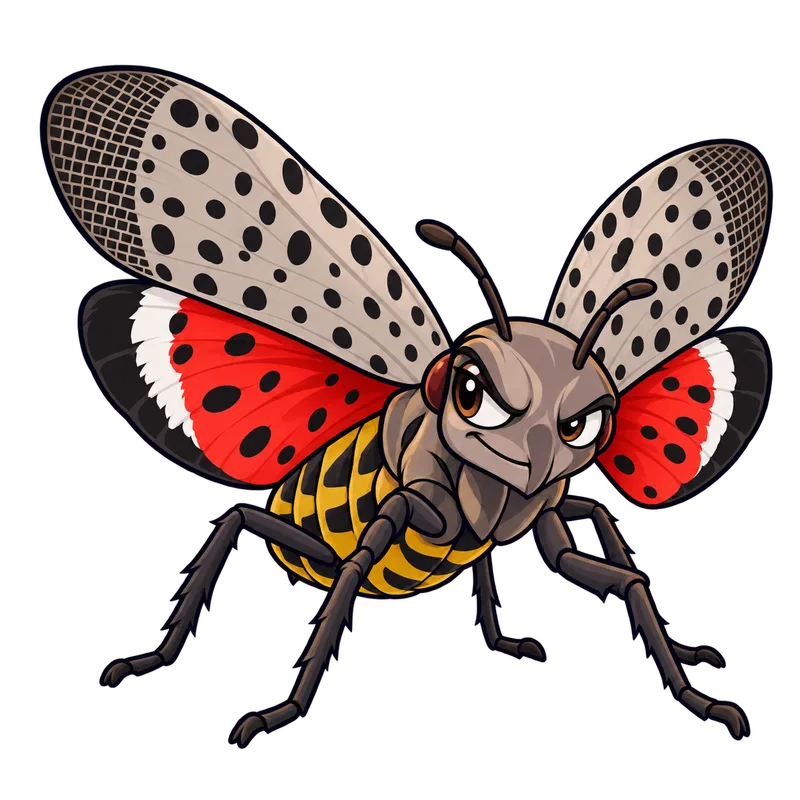
Yes, established populations of the spotted lanternfly are indeed present in Connecticut, with active breeding groups confirmed by state and regional tracking. These insects spread easily as adults hitchhike on vehicles and outdoor gear, while females lay durable egg masses that resemble dried gray mud.
What is actually going on
Picture walking out to your driveway on a crisp autumn morning, reaching for your garden hose, and noticing what looks like a blob of dried gray mud smeared across the handle. You might write it off as a splash from a recent gardening project until you look closer and realize it is a cluster of tiny, papery eggs tucked out of sight. That is the kind of detail that makes people start asking questions about whether the spotted lanternfly has finally made its way into their neighborhood.
Yes, established populations of the spotted lanternfly are indeed present in Connecticut. What started as a localized introduction in Pennsylvania a decade ago has steadily expanded across the Eastern states, and Connecticut now hosts active breeding populations confirmed by state and regional agricultural tracking.
You might wonder how a bug with such a distinct look managed to spread so far north so quickly. The answer usually comes down to human habit rather than the insect's own flying ability. While adults can hop and flutter short distances, they are notorious hitchhikers. Female lanternflies lay their eggs on almost any flat surface available, from the side of a camper or a wooden pallet to the wheel wells of a family sedan. When you drive across state lines or haul firewood from a wooded lot, those hidden egg masses travel right along with you.
How to tell for sure
Identifying these insects depends heavily on which season you happen to be looking at them, because they change completely as they grow. During the winter months, you are usually looking for egg masses. They typically resemble a smear of gray mud or old putty that has dried, cracked, and dulled over time, usually containing thirty to fifty individual eggs arranged in neat vertical rows.
By late spring, usually around May, those eggs hatch into tiny nymphs that measure just a few millimeters long. At this early stage, they are jet black with striking white polka dots, and they scurry across plant stems with surprising speed. As summer progresses into July and August, these nymphs go through another molt, growing larger and developing bright red patches alongside their black-and-white markings.
By mid-summer, the adults emerge, and they are hard to miss if you happen to disturb them. An adult measures about an inch long with grayish-tan forewings marked by black spots and a distinct net-like pattern at the tips. When they rest, they look somewhat like an ordinary gray moth. When they fly, however, they flash bright red hindwings with contrasting black spots and a white band, looking almost tropical before landing back on a tree trunk.
What usually comes next
Stumbling across one of these bugs on your deck tends to make you want to grab the nearest can of spray, but real control usually starts with plain old scraping instead of heavy chemicals. When you see those mud-like egg masses stuck to your fence rails, siding, or outdoor gear anytime between October and April, take a stiff putty knife and scrape them right off. Make sure you drop them straight into a jar filled with rubbing alcohol or soapy water so they actually die instead of hatching later on the dirt. Just knocking them off onto the ground usually leaves the eggs perfectly fine and ready to hatch when the weather warms up.
If you are watching little black-and-white nymphs march up the trunk of an invasive tree of heaven or a stressed maple in late spring, sticky bands wrapped around the bark can catch plenty of them on their way up. That said, those sticky traps always need a cage of wire mesh stretched over them to keep birds, bats, and squirrels from getting tangled up in the glue.
As for using chemicals on fruit trees or large yards, the product label is the final word. You are never allowed to change how a spray is mixed or apply treatments to flowers while bees and other pollinators are visiting them. If the infestation gets to be too much to handle on your own, the folks at The Connecticut Agricultural Experiment Station down in New Haven or the UConn Extension Home and Garden Education Center in Storrs are ready to help you sort it out.
When to get help
There are times when a weekend do-it-yourself project hits a wall, or when safety risks mean you should call in someone with proper gear. If you happen to find suspect lanternfly populations in a Connecticut town where state officials have not seen them yet, drop a specimen into a jar of alcohol and let the extension office know so they can map the new find.
If you are dealing with towering trees and the egg masses are high up near the crown, trying to balance on a tall ladder with a scraper is a great way to take a bad fall or brush against overhead wires. That is your cue to bring in a certified arborist who works safely at heights every day.
Whenever your scouting takes you near old stone walls, dark woodpiles, or hollow trunks where raccoons or bats might be sleeping, back away and leave them alone. Bumbling into local wildlife can lead to bites, scratches, or worse, so leave those spots to animal control or public health officers. And if your yard needs large-scale commercial treatments or tree trunk injections, talk to a licensed pesticide applicator who knows the rules inside and out.