
Have spotted lanternflies been found in Tennessee in 2026?
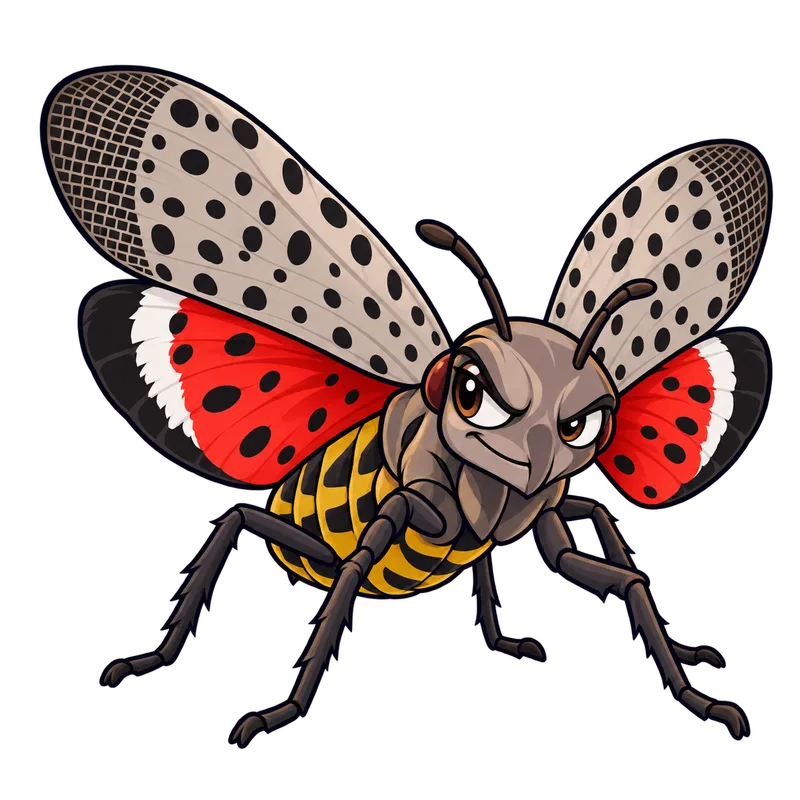
Yes, spotted lanternflies have been found and confirmed in Tennessee, centered around Davidson County in the Nashville area. A single adult that rode in on a vehicle does not mean a neighborhood is infested, because an area counts as established only when reproducing insects or overwintering egg masses are found there.
What is actually going on
You are loading up the trunk of your car for a weekend camping trip, tossing in camp chairs and a plastic storage bin, and you wonder if you are about to haul an unwanted guest down the highway. People hear about invasive pests creeping across the country and naturally want to know where the lines are drawn right now. To answer the direct question, yes, spotted lanternfly infestations have officially been found and confirmed in Tennessee, specifically centered around Davidson County in the Nashville area, based on distribution tracking data.
Before anyone pictures a wave of destructive bugs wiping out every forest and backyard overnight, it helps to understand what this creature actually is. Despite the name, it is not a fly or a beetle. It belongs to a group of true bugs called planthoppers, and it feeds by piercing plant tissues to drink the sugary sap inside. They do not bite people, they do not carry human diseases, and they certainly do not care about your picnic sandwiches. They care entirely about plants, and they have an unfortunate appetite for more than seventy different species.
While their absolute favorite meal is the invasive tree-of-heaven, they are perfectly happy to munch on commercial grapevines, apple orchards, stone fruits, and maples. As they feed in large numbers, they excrete a sticky, sugary liquid called honeydew. That mess drips down onto patios, cars, and lower foliage, quickly growing a thick layer of black sooty mold that blocks sunlight and stresses the plants out. The real trouble with them is not just local munching, though. They have mastered the art of the road trip, laying eggs on flat outdoor surfaces where cars and campers carry them miles away from the original sighting.
How to tell for sure
Spotting these insects depends entirely on the season, because their appearance changes dramatically over the course of a year. If you are looking at trees or outdoor furniture between September and May, you usually find the egg masses. These look less like bug eggs and more like a smear of grey mud or cracked putty left on a tree trunk, a rusty piece of farm equipment, or the underside of a lawn chair. They usually contain thirty to fifty eggs arranged in neat parallel rows.
When those eggs hatch in late spring, the tiny nymphs look like small black spiders or ticks marked with bright white spots. By mid-summer, those same nymphs go through a striking costume change and turn a brilliant neon red with black patches and white spots. Once they reach adulthood by July, they measure about an inch long. At rest, adults look rather ordinary with greyish-brown forewings covered in black spots, but when they take flight, they flash bright red hindwings that make them quite hard to miss.
People often confuse the adult insects with certain native moths when their wings are folded, or mistake the early black-and-white nymphs for ticks. If you find a suspicious mass on your property, take a close look with a magnifying lens or snap a clear photo. Keep in mind that finding a single adult hitchhiking on a truck box does not automatically mean your entire neighborhood is infested, as agencies only classify an area as established when reproducing populations or overwintering egg masses are present in the local habitat.
What usually comes next
Finding a suspected spotted lanternfly or an egg mass on your property usually triggers the urge to grab a strong chemical spray and treat every leaf in sight. Resist that urge. Dousing your landscape in harsh broad-spectrum products often kills off helpful predators like lady beetles and spiders, which usually backfires by causing a severe secondary explosion of pests like aphids.
Instead, concentrate on physical removal and careful scouting of your yard. Between late autumn and early spring, look over smooth tree bark and outdoor gear like firewood stacks, trailers, and patio chairs. When you spot an egg mass, take a flat tool such as an old putty knife and scrape the eggs right into a container filled with soapy water or rubbing alcohol. Never just scrape them onto the soil, because intact eggs sitting on the ground will hatch just fine when spring arrives.
If you are packing up a camper or loading gear to travel out of a known infested county, inspect your vehicle thoroughly for hitchhiking adults or nymphs. For property owners dealing with heavy numbers of these bugs on mature trees or trying to sort out local quarantine compliance for hauling goods, the smartest next move usually means checking your local university extension office or state agriculture website for the most current regional guidelines.
When to get help
There are times when handling things yourself stops making sense and you need to hand the job over to the professionals. If you discover a suspected spotted lanternfly in a county or state where it has not been documented before, official confirmation needs to come from the state department of agriculture or federal plant health authorities. They track these movements closely to manage quarantine boundaries and protect local agriculture, especially vineyards and orchards.
When an infestation on your property involves large mature trees that require systemic insecticide treatments, such as soil drenches or specialized trunk injections, call a certified arborist or a licensed pesticide applicator. These treatments require professional equipment and precise adherence to safety labels to protect non-target plants and local wildlife.
One important safety warning involves physical traps, such as sticky bands placed around tree trunks to catch crawling nymphs. Unprotected sticky bands can trap and kill beneficial wildlife, including songbirds, bats, and small mammals. Always wrap those bands in a protective wire mesh or cage. Furthermore, if you ever encounter wild animals resting near infested trees or trapped on sticky materials, never handle them directly. Any potential exposure to animal bites, scratches, or wildlife acting strangely requires an immediate call to local public health authorities or animal control.