
Are spotted lanternflies found in Illinois?
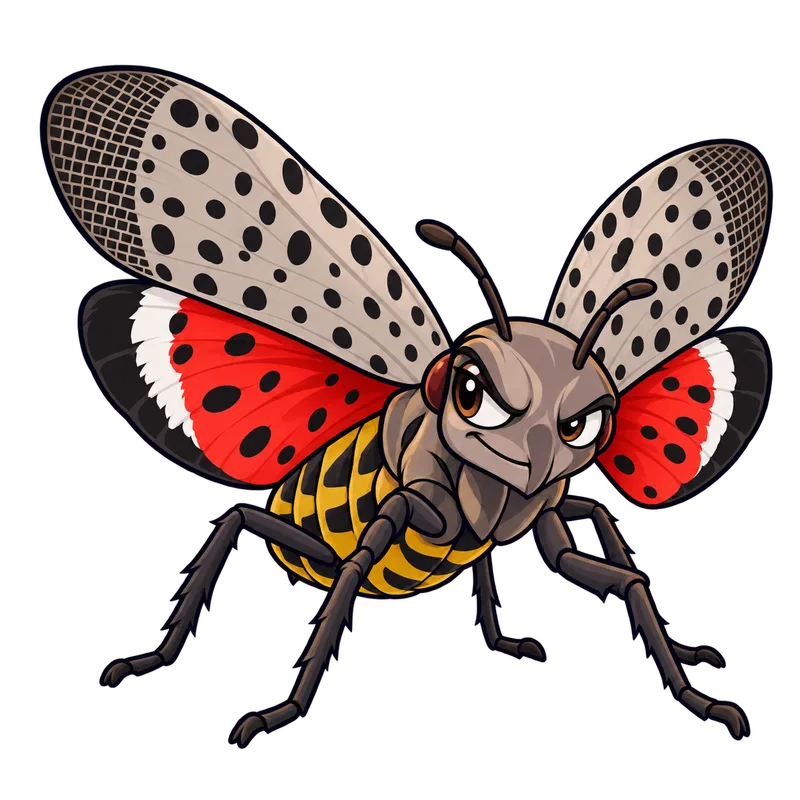
Yes, spotted lanternflies are found in Illinois, with established populations and localized sightings concentrating primarily around the northeastern region and the Chicago metropolitan transport hubs. Human-assisted travel carries these pests across state borders as adults and females lay their eggs on non-plant commodities like shipping containers, rail cars, highway vehicles, and outdoor camping gear.
What is actually going on
You are out cleaning up the back patio on a quiet Saturday morning, moving a stack of lawn chairs that sat untouched all winter, when you notice a strange grey smear on the plastic leg that looks suspiciously like dried mortar or baked-on mud. A neighbor mentions that invasive insects traveling across state lines have finally made their way into the local area, and you start wondering if your own yard is about to become a staging ground for a much bigger problem.
The short answer is yes. Spotted lanternflies are indeed found in Illinois. Official plant health surveillance mapping confirms established populations and localized sightings in the state, concentrating primarily around the northeastern region and the Chicago metropolitan transport hubs. While they started their North American journey in Pennsylvania a decade ago, human-assisted travel has carried them across state borders and into the Midwest.
You might wonder how an insect that looks more like a colorful moth than a destructive pest managed to make such a leap when it is notoriously weak at long-distance flying. The answer comes down to hitchhiking. Adults and females looking to reproduce are not flying across state lines under their own power. Instead, they deposit their eggs on non-plant commodities like shipping containers, rail cars, highway vehicles, and outdoor camping gear. A female lays her eggs on the wheel well of a trailer or the underside of a lawn table, and that everyday object becomes a cross-country transport vehicle.
Once these insects arrive in a new area, they target a wide array of host plants, preferring the invasive tree-of-heaven above all others while also feeding on commercial crops like grapes, apples, and stone fruits. They possess piercing mouthparts designed to tap into plant sap, draining the life out of the host while excreting a sticky, sugary waste known as honeydew. This waste coats lower leaves and surrounding patio furniture, quickly turning into a thick black mold that chokes off light and ruins outdoor spaces.
How to tell for sure
Telling a spotted lanternfly apart from other backyard bugs usually depends on its current stage in the seasonal timeline, because these insects completely transform as they grow. When fully grown adults emerge in the mid-to-late summer months, they measure roughly 1 inch long and are hard to miss. Their forewings feature a light grey or tan background covered in distinct black spots, while their hidden hindwings flash a bold, brilliant red with black spots, a black bar, and a white band whenever they hop or take flight.
Before reaching that flashy adult stage, the insects go through nymph phases. Early nymphs hatch in late spring and look like tiny, wingless black bugs speckled with white spots. As they grow through the summer, those nymphs shift into a striking bright red and black coloration, still decorated with white spots, before shedding into adults.
If you are searching during the winter months, you will not see live insects hopping around at all. You will usually find their egg masses stuck to flat outdoor surfaces, rough tree bark, stone walls, or metal equipment. A typical egg mass contains thirty to fifty eggs arranged in neat parallel rows, covered with a smooth, putty-like grey coating. Over the winter, that protective layer dulls, darkens, and cracks open, looking very much like a smear of dried mud or caulk.
If you spot an unusual bug or an egg cluster that does not quite match common native insects, you can inspect it closely with a simple hand lens for confirmation. However, verifying brand-new county records or distinguishing weathered egg masses from native insect clusters usually requires professional eyes. Taking a clear photograph or collecting a physical specimen for submission to a local university extension office or state department of agriculture specialist is usually necessary when you find something outside of known infested zones.
What usually comes next
Stumbling upon a questionable egg mass on your property normally demands a simple mechanical fix well before the weather shifts and the hatching begins. From September through May, you can pick up a scraper, like an old credit card or a stiff putty knife, and peel those grey, dried-mud masses off your tree bark, stacked firewood, or patio chairs.
The safest way to finish them off is scraping the cluster straight into a jar filled with rubbing alcohol or soapy water, letting them soak until they are totally dead. If you are reaching high up a tree trunk or scraping rough timber, pulling on safety glasses and thick work gloves keeps flying bits out of your eyes and away from your skin.
You can also wrap preferred trees with sticky bands during the warmer months to catch climbing nymphs on their daily commute up the bark. Whenever you strap these bands around a tree, you must put up a wire cage or mesh guard on the outside so passing birds and small mammals do not get trapped by the glue.
If you often haul gear, trailers, or work trucks out of infested counties, taking a few minutes to check your wheel wells and bumpers for hidden hitchhikers stops the spread right at your driveway. Pulling out invasive tree-of-heaven saplings on your land also removes the favorite snack bar that draws these insects to your yard in the first place.
When to get help
While scraping a few stray egg masses off the back fence is easy enough for a Saturday morning project, some situations call for stepping back and letting trained professionals take over. If you run a commercial orchard, a vineyard, or a plant nursery and notice heavy swarms of bugs chewing through your harvest, you need to reach out to local agricultural advisors right away to talk about approved action levels.
Spraying chemicals on your property means following the product label down to the very last word. Never try to mix your own secret formulas or spray insecticides on blooming plants while bees are busy visiting the blossoms. When an infestation is bad enough to demand trunk injections or heavy-duty commercial poisons, state rules usually mean you have to hire a licensed pest control operator to do the job.
State and federal wildlife rules also mean you have to pay attention while managing your yard. When you are clearing out brush or putting up physical barriers, watch out for nesting birds, roosting bats, and other animals that have nothing to do with your pest problem. If a bird or a squirrel accidentally gets stuck on a tree band, leave it alone and call a local wildlife rehabber or your state natural resources office for help.