
What should you do when you find a spotted lanternfly?
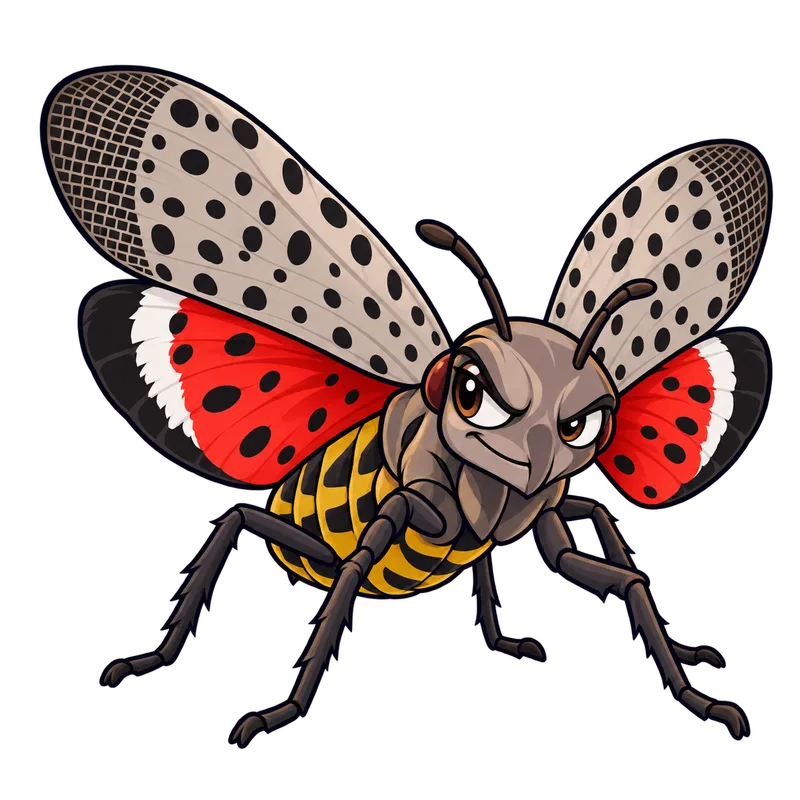
When you find a spotted lanternfly, take a clear photo, note exactly where it was, and destroy it. Scrape egg masses into a sealed bag instead of onto the ground, where they can still hatch. Then report the sighting to your local agriculture or plant health agency, especially where the insect is not yet known to live.
What is actually going on
You are loading the camping gear into the trunk on a Sunday afternoon, and something on the side of your plastic storage bin catches your eye. It looks like a smudge of wet grey mortar or dried mud, except you did not touch any concrete lately. If you live anywhere near the path of the spotted lanternfly, that smudge might actually be a cluster of overwintering eggs. When you find one of these insects or their egg masses, the short answer is that you need to take a clear photograph, record exactly where you found it, destroy or scrape it directly into a sealed container, and report it to your local agricultural or biosecurity department right away.
People often assume that finding a strange insect means it is time to run to the garden center for a jug of heavy-duty chemical spray. But the spotted lanternfly is not just a garden nuisance that you can ignore until it goes away. This sap-feeding planthopper, originally native to Asia, has quietly marched across large parts of North America and shows up in places where people least expect it. Because they do not fly particularly well on their own, they hitch rides on cars, trailers, firewood, and outdoor furniture.
When an infestation takes hold, these insects swarm host trees by the thousands. They pierce plant stems and trunks to drink the sugary sap inside, leaving behind a sticky liquid waste called honeydew. That waste coats everything underneath the tree, triggering thick black sooty mold that chokes off sunlight and attracts stinging wasps by the dozen. If you spot one, you are looking at the vanguard of a serious agricultural threat that targets commercial vineyards, apple orchards, and hardwood forests.
How to tell for sure
Before you start scraping or squishing anything, you need to be certain you are actually looking at a spotted lanternfly and not some harmless native bug. Identification usually depends on which life stage you happen to stumble across, and the differences are striking once you know what to look for.
Adult spotted lanternflies are quite large, usually measuring about an inch in length. When they sit quietly on a tree trunk with their wings folded, they look a bit like greyish-tan moths with dark spots, forming a tent-like shape over their bodies. But the moment they open their wings to hop or fly, they reveal brilliant crimson-red underwings with black spots and a distinct white stripe. Their bodies feature bright yellow and black horizontal bands.
If you are looking at them earlier in the year, you will see nymphs instead of adults. The younger nymphs are tiny, dark-bodied creatures speckled with white spots. By late summer, those same nymphs turn into a vivid bright red and black pattern with white markings.
Then there are the egg masses, which usually show up from late summer through the spring. Females lay their eggs in straight rows of thirty to fifty, covering the whole batch in a smooth, greyish secretion that looks remarkably like a blob of wet mud or old putty. Over the winter, that protective covering dulls and develops tiny cracks. You will usually find these egg masses on vertical outdoor surfaces, ranging from rough tree bark to the metal wheel wells of parked trailers and the sides of stone walls.
What usually comes next
Spotting a spotted lanternfly on your fence or patio furniture usually gives you two choices. You can ignore it and hope for the best, or you can step in right away to stop it from multiplying. Because these insects depend on human travel to cross state lines and regional borders, your reaction matters.
If you spot an egg mass between September and May, do not simply flick it onto the dirt with your fingernail. Eggs sitting on the ground will still hatch when warm weather returns. Instead, grab a flat metal tool like a putty knife or a discarded plastic card, and firmly scrape the grey putty-like mass upward so that every single egg falls directly into a zippered plastic bag or a sealable container. Zip it shut and throw it right into your outdoor trash bin.
If you find a live nymph or adult crawling near your tomatoes, try to crush it or capture it on the spot before it hops away. If you are dealing with soft-bodied nymphs clustering on decorative shrubs, you can apply registered insecticidal soaps made with potassium salts of fatty acids. These commercial formulas work on direct contact by dissolving the protective waxy layer on the insect and disrupting cell membranes. Resist the urge to mix up a homemade brew of standard dish detergent from the kitchen sink. Dish soaps are industrial degreasers that strip the natural cuticle right off your prized plants, causing heavy leaf burn and dead foliage.
When to get help
There are moments when a casual backyard cleanup is no longer enough and you must hand the issue over to local specialists or agricultural officers. If you live in a county or province where spotted lanternflies are not yet known to live, you need to report any single sighting or egg mass to your state department of agriculture or plant health agency right away. In many jurisdictions, residents have a legal duty to report quarantine pests, and your phone call starts the official containment process.
You should also hire a certified arborist if the egg masses or heavy adult populations sit high up in mature trees where you cannot safely reach them with an extension pole or a ladder. Professional climbing gear and safety equipment are necessary when you are dealing with high-canopy infestations on tall property trees.
Finally, stay alert if you notice heavy sticky liquid dripping down from overhead branches. That sugary waste draws massive numbers of stinging wasps and hornets. If anyone in your home carries a severe allergy to insect stings, keep them away from those trees completely, and seek emergency medical attention right away if multiple stings happen.