
Can you remove a bird nest with eggs in it?
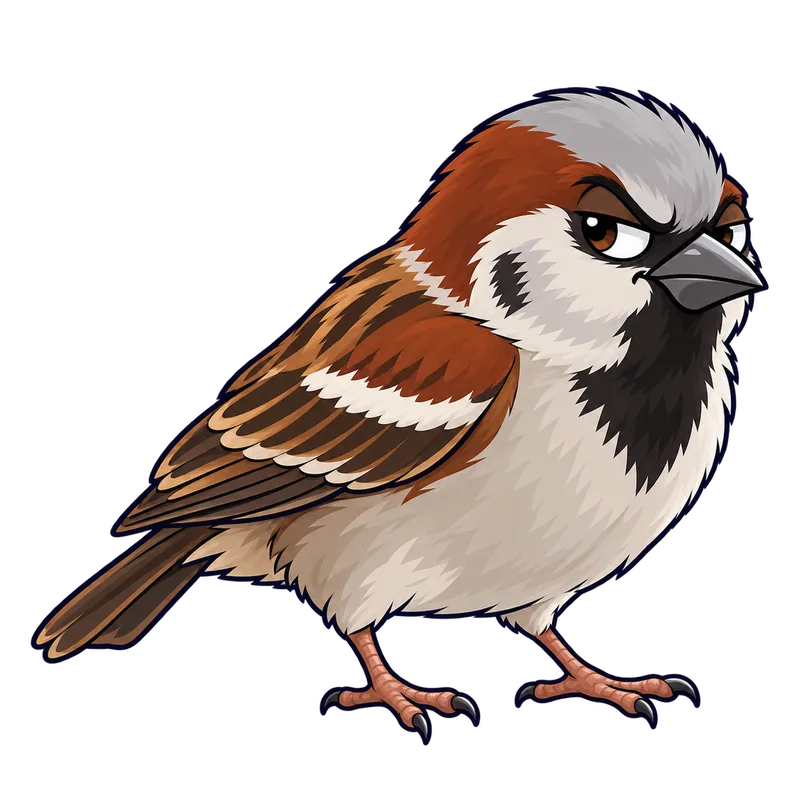
No, you generally cannot legally remove a native bird nest containing eggs or brooding young due to strict federal and state wildlife protection laws in the United States. However, nests belonging to non-native pests like house sparrows, European starlings, and feral rock pigeons are legally exempt from federal protection.
What is actually going on
Picture stepping out onto your front porch on a mild spring morning to flick on the porch light, only to find a robin has built a neat little bowl of twigs and mud right over the fixture. A couple of days ago it was just a few loose bits of grass you could have brushed away with a broom, but now there are bright blue eggs nestled inside. Suddenly, your front entryway is an off-limits nursery, and you are left wondering whether you can just move the whole setup to a nearby tree before things get out of hand.
The short answer is no, you generally cannot legally remove, destroy, or relocate an active bird nest containing eggs or brooding young. Federal and state wildlife protection laws across the United States treat native bird nests as protected property once the eggs are laid. Disturbing them without a specific government permit is a violation that can carry heavy administrative and criminal penalties.
This strict protection catches a lot of homeowners off guard because the nest is sitting right on private property, often tucked into a bathroom exhaust vent, an open chimney flue, or the corner of a residential deck. Wildlife conservation laws do not care whose porch the bird chose. Once an adult bird lays viable eggs, the structure changes legally from an annoying pile of yard debris into an active, protected nursery. The law draws a sharp line between an inactive nest containing no eggs or dependent young, which you can usually clear out once the birds leave, and an active nest, which is off-limits until the chicks fledge and the family moves on entirely.
How to tell for sure
Before you decide what to do next, you need to know what you are looking at, because not every bird nest falls under the same legal umbrella. Start by observing the site from a safe distance using a pair of binoculars rather than poking your head directly into the architectural void. Look closely at the adult birds returning to the nest, noting their beak shape, plumage, and size. If you are dealing with mud cup nests stuck under your eaves, those usually belong to swallows. If you spot a messy collection of straw and feathers shoved deep into a gable vent, you might be looking at starlings or house sparrows.
You also need to check whether the nest is actually active or just an abandoned leftover from last year. Look for visible eggs or listen for the faint chirping of nestlings, but never reach your hand blindly into a dark cavity.
This is usually where a common misconception trips people up. Many homeowners assume that any bird nesting on a house must be a protected native species, but that is not always true. Non-native pests like house sparrows, European starlings, and feral rock pigeons are legally exempt from federal protection in the United States. If you confirm that your unwelcome tenant is one of these three introduced species, the federal rules change, and physical nest and egg removal becomes permissible. Even then, local municipal bylaws or animal welfare standards still apply, so it pays to check your local ordinances before taking action.
What usually comes next
When you face a protected native species and the nest holds eggs, your options disappear until the young hatch, grow up, and fly away, which generally takes a few weeks. Trying to move the nest to a nearby branch with good intentions almost always backfires because the parents will not track it down, leaving the eggs to perish.
Instead of fighting an established nest, your best strategy is waiting it out and then blocking the spot for next year. Plunking a plastic owl on your deck railing to scare away birds works about as well as setting up a cardboard cutout of a guard on your lawn. Birds might stay away for a few hours, but by the third day, they realize it never blinks and start using it as a resting spot. Scare tactics only succeed if you constantly shift their position, and even then, they cannot replace physical barriers.
Think of putting a proper chimney cap or screening your vents in late winter as paying for a sturdy lock before trouble arrives. A thirty-dollar cap installed in February stops a major headache in May when a pair decides your flue looks like an inviting cavity. If you catch birds during the early gathering stage before an egg drops, you can clear out the loose twigs and immediately install exclusion mesh to seal the area permanently.
When to get help
Sometimes a nesting situation gets complicated enough that you should step back and let someone else handle it. If an active nest sits in a hazardous spot like a steep roof edge, a shaky ladder setup, or right against outdoor electrical panels, walk away to prevent a bad fall or an accident.
You also need to contact a professional wildlife removal specialist or state conservation agency if you find a protected species stuck in a tricky structural nook, or if you simply cannot tell what kind of bird is nesting there. Licensed operators carry the training and specific permits required to resolve wildlife conflicts within the bounds of the law.
Keep safety in mind once the nesting season wraps up and cleanup finally begins. Abandoned nests and the mess beneath them often harbor mites, ticks, fungal spores, and bacteria that you do not want floating into your lungs. Slip on disposable gloves and an N95 respirator mask before touching any debris, and mist the dry material with water to keep dust down.
Bag the waste securely in double-sealed heavy-duty plastic garbage bags. When it is time to sanitize the surfaces left behind, skip standard household bleach. Bleach mostly acts like a cleaner, washing away dirt and loosening sticky residue, but it fails to destroy hardy parasite eggs. You need thermal methods, such as pouring boiling water over the affected ledge or using a steam cleaner, to make the space truly clean. If the contamination is heavy or you suspect larger animals shared the space, call public health authorities or professional cleaners to handle the disinfection safely.