
How are termites inside a wall inspected and treated?
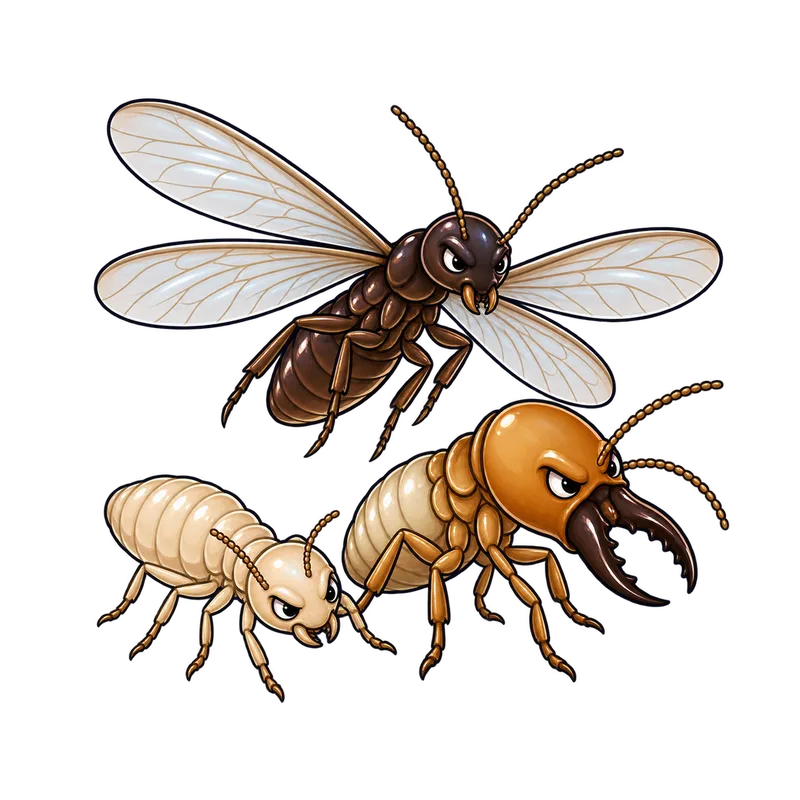
Inspecting and treating termites inside a wall relies on diagnostic tools like moisture meters and acoustic sensors to find the hidden insects before technicians use targeted methods such as expanding foams, localized wood injections, or baits. The exact approach depends on whether you are dealing with a drywood colony or a subterranean infestation.
What is actually going on
You are standing in the hallway, staring at a slightly bowed baseboard and a patch of wall paint that looks blistered and damp, even though the plumbing behind that partition was checked last year. When you press a finger against the bulging drywall, it gives way with a soft, papery crunch, revealing a hollowed-out mess of timber studs covered in a thin layer of mud. That quiet crumbling is usually your first real clue that termites have set up camp inside the wall void, living entirely concealed from light, open air, and your everyday routine.
Inspecting and treating termites hidden inside a wall requires moving past what you can see on the surface. Because these insects seal themselves inside wood galleries and mud tunnels to stay humid and safe from predators, a standard visual glance at the room rarely tells the whole story. Technicians do not just guess where the bugs are hiding. They rely on a combination of non-destructive diagnostic tools and targeted physical checks to figure out the extent of the damage before deciding on a plan of attack.
Once the hidden extent is mapped out, the treatment has to match the specific habits of the termite species living behind your drywall. Subterranean termites need a continuous link to moisture, often building earthen tubes up from the soil through concrete slab cracks or hollow foundation blocks. Drywood termites, on the other hand, need zero ground contact and nest directly inside sound, dry wood framing, kicking their tiny droppings out through microscopic pinholes. Treating an interstud wall void means using methods that reach deep inside the cavity without turning your living room into a construction site, whether that involves expanding foams, localized wood injections, or slow-acting baits.
Before anyone starts drilling holes or pumping chemicals into a partition, you have to be certain you are dealing with termites and not moisture rot or wood-boring beetles. Inspectors usually start with a few reliable detection tools that do not require tearing down your drywall. Sounding is the classic method, where the technician taps along baseboards and door casings with a solid tool or a screwdriver handle. Solid wood gives back a firm, resonant ring, while timber eaten down to a thin shell produces a dull, hollow thud that gives the game away immediately.
Electronic moisture meters are another frontline tool. Termites bring moisture with them and create humid microclimates inside their galleries, causing drywall or timber to register unusually high dampness even when there is no active plumbing leak nearby. When those moisture readings or hollow sounds point to hidden activity, technicians often use acoustic sensors or stethoscopes pressed against the wall to listen for the faint ticking or rustling of worker ants and soldiers moving around. If the acoustic and moisture signs are strong enough, they will drill small test holes and slide in a flexible borescope, which is a tiny lighted camera on a long tube, to look directly at the framing studs inside.
You can also look for distinct physical clues depending on the culprit. Subterranean species usually leave behind mud tracks, which look like narrow earthen tubes made of soil, saliva, and digested wood crawling up from the floor or emerging from expansion joints. Drywood species take a very different approach. They carve clean galleries across the wood grain and push out hard, six-sided concave fecal pellets that look like tiny mounds of coarse sand sitting right below a round kickout hole. If you find winged insects swarming indoors, you can tell them apart from flying ants by looking closely at their shape. Termites usually have straight antennae, broad waists, and four wings of equal length, whereas flying ants have elbowed antennae, pinched waists, and front wings that are noticeably larger than their back wings.
How to tell for sure
When you are facing confirmed termite activity inside a wall, your main practical decision is choosing between a localized fix and a whole-house defensive strategy, and that choice depends entirely on whether you are dealing with a drywood colony nesting in the studs or a subterranean colony invading from the ground up. If an inspection confirms a localized drywood infestation tucked inside a single wall frame, a professional can often perform a drill-and-treat procedure. This involves boring quarter-inch holes into the infested studs at roughly one-foot intervals and injecting liquid termiticides or insecticidal dusts directly into the galleries before sealing the holes back up. For broader protection across an entire wall cavity, technicians sometimes blow inorganic silica aerogel dust into the interstud spaces through small holes drilled near the middle of the wall, creating a permanent barrier that causes the insects to dry out.
If the diagnosis points to subterranean termites, however, treating just the inside of that single wall is usually a short-term band-aid. Because those insects travel back and forth to a parent nest in the soil or through hollow foundation blocks, treatment has to break that connection. Technicians often inject specialized termiticide foam into the hollow block voids or interstud spaces. The foam expands in three dimensions, wrapping around studs, pipes, and electrical wires before collapsing into a uniform liquid film. That step is paired with exterior perimeter treatments, such as trenching and treating the soil around the foundation, drilling through concrete slabs, or installing in-ground bait stations filled with slow-acting transfer toxicants that foraging workers carry back to wipe out the main colony. Your best move is to have a licensed pest management professional assess whether your wall void is an isolated drywood pocket or just a convenient highway for a much larger subterranean threat.
What usually comes next
Dealing with termites inside a structural wall is not a suitable weekend do-it-yourself project. Wall void pressure foaming, sub-slab concrete drilling, and interior desiccant dusting require specialized equipment, precise calibration, and professional handling to avoid structural damage or chemical misuse. More importantly, drilling blindly into an interior wall carries a severe risk of striking concealed electrical wiring, plumbing supply lines, or gas pipes. Leave the invasive probing, boring, and chemical applications to certified, licensed pest management applicators who understand local building codes and product label restrictions.
When to get help
There are also health and safety situations that call for immediate outside intervention. While termites do not bite humans or spread diseases directly, the chronic moisture required to sustain them inside wall voids frequently encourages the growth of wood-decay fungi and mold spores. If residents experience severe respiratory irritation, allergic reactions, or asthma flare-ups from contaminated wall dust, consult a clinician or healthcare provider right away.
In the event of an accidental pesticide spill, exposure, or ingestion during amateur treatment attempts, contact poison control or emergency medical services immediately. Finally, if your inspection of a dark subfloor or wall void reveals unexpected wildlife, such as roosting bats or protected bird species, federal and state laws forbid disturbing them. You must halt work immediately and contact your local wildlife protection agency for guidance before any pest control procedures resume.