
Are drywood termites common in Florida?
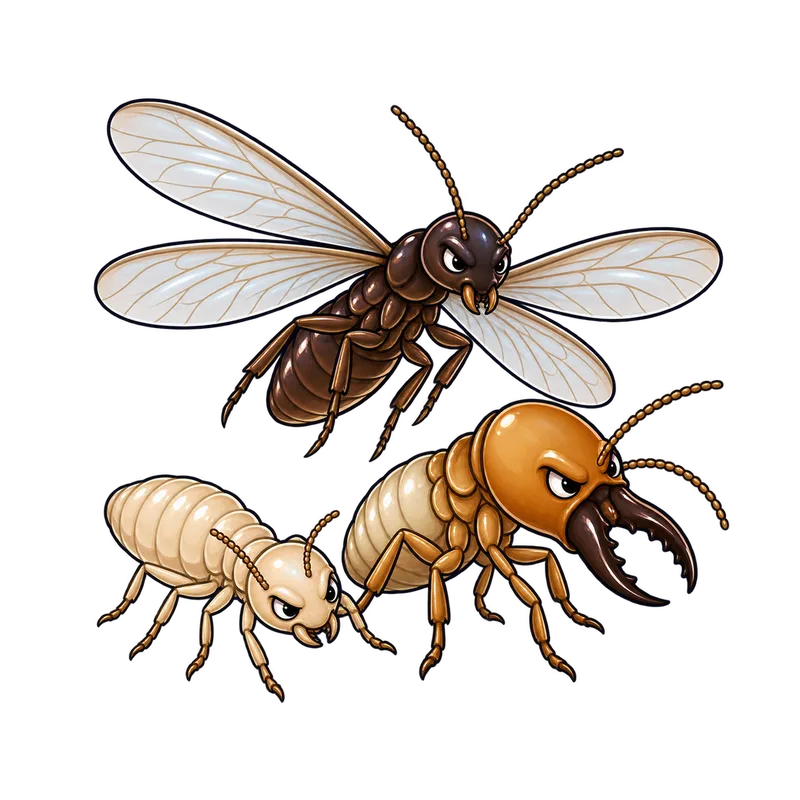
Yes, drywood termites are remarkably common across the entire state of Florida. The subtropical climate is tailor-made for native species and introduced travelers that fly straight into upper building levels to colonize dry wood. They leave behind small piles of hard, six-sided fecal pellets that look like dark coarse sand.
What is actually going on
Picture walking into your sunlit Florida living room on a quiet Tuesday afternoon, only to notice a tiny, suspicious pile of what looks like dark coarse sand sitting right on the windowsill. You sweep it away, figuring it is just dirt blown in from the open lanai, but by Thursday morning, the pile is back. If you live in Florida, that little mound of grit is rarely just dust. It is very likely the calling card of drywood termites, and yes, they are remarkably common across the entire state.
People often assume that all termites live underground and need to crawl up through the foundation to cause trouble, but drywood termites play by an entirely different set of rules. They do not need soil contact, they do not build mud tunnels, and they do not care about your perimeter liquid pesticide barrier. These insects fly straight from an established nest into the upper levels of a building, landing on roof rafters, attic joists, window frames, or antique furniture. Once they find a suitable piece of dry wood, they chew their way inside and set up housekeeping.
In Florida's subtropical climate, conditions are practically tailor-made for them. The state hosts native species like the southeastern drywood termite, alongside introduced travelers like the West Indian drywood termite, which thrives almost exclusively inside man-made wooden structures. Because they extract all the moisture they need directly from digesting wood cellulose, they can comfortably colonize the highest points of your house, far away from any ground moisture or plumbing leaks.
How to tell for sure
Finding out whether you actually have drywood termites usually comes down to looking for their waste, which pest control folks call frass. Those little piles of sand or poppy seeds you find on windowsills or carpet edges are actually collections of hard, six-sided fecal pellets that the termites push out of tiny pinhead-sized openings known as kickout holes. If you grab a magnifying glass and look closely at the individual pellets, you will usually see distinct longitudinal ridges running along their concave sides.
Trying to spot the insects themselves is harder because they spend nearly their entire lives hidden inside the timber. Sometimes you might catch winged reproductives, called swarmers, during their mating flights, which often happen around nightfall in the warmer months. It helps to know what you are looking at, since flying ants get confused with termites all the time. Termites have straight, bead-like antennae and thick waists, while flying ants have bent, elbowed antennae and narrow, pinched waists.
One common doubt people raise is whether sawdust under a beam always means termites. It usually does not. True powderpost beetles leave behind a very fine, flour-like dust instead of distinct pellets, and carpenter bees leave behind large, perfectly round holes alongside coarse wood shavings. If you only see smooth, oval pellets with ridged sides, you are almost certainly dealing with drywood termites rather than beetles or ants.
What usually comes next
When homeowners spot those telltale pellet piles, the first instinct is often to call for a whole-house tent fumigation, but that is not always the immediate answer. If the infestation is small and localized to a single piece of wooden trim or a standalone item like a bookshelf, a pest professional can often use localized treatments such as targeted drill-and-injection methods or localized heat.
The practical decision usually hinges on how widespread the activity is across the structure. If multiple rooms show signs of frass and inspections reveal colonies hiding in roof framing or hidden wall voids, localized spot treatments will only play a losing game with the population. That is when whole-building tent fumigation using a gas like sulfuryl fluoride becomes the logical choice because it permeates every piece of timber in the house to wipe out hidden nests at once.
Remember that fumigation acts only on the moment of treatment. It clears out every active colony inside the structure, but it leaves behind zero chemical residue once the gas is cleared and the house is aerated. That means a tented home is completely unprotected against new winged termites flying in next season, making vigilant monitoring a permanent part of homeownership in Florida.
When to get help
You should bring in a licensed professional as soon as you suspect drywood termites have moved beyond a single piece of movable furniture and into the actual framework of your house. Crawling around hot attics, probing load-bearing rafters, and figuring out whether a timber is structurally compromised requires specialized tools and experience that go well beyond weekend DIY projects.
Never attempt chemical tenting, structural gas treatments, or major pesticide applications on your own. Pest control operators are bound by strict state regulations and product label laws that dictate how and where treatments can be applied safely. If you notice that wooden beams have become hollowed out or sag under pressure, you may also need a structural engineer or licensed contractor to evaluate whether those framing members need repair or replacement.