
Why do termite swarmers shed their wings near windows?
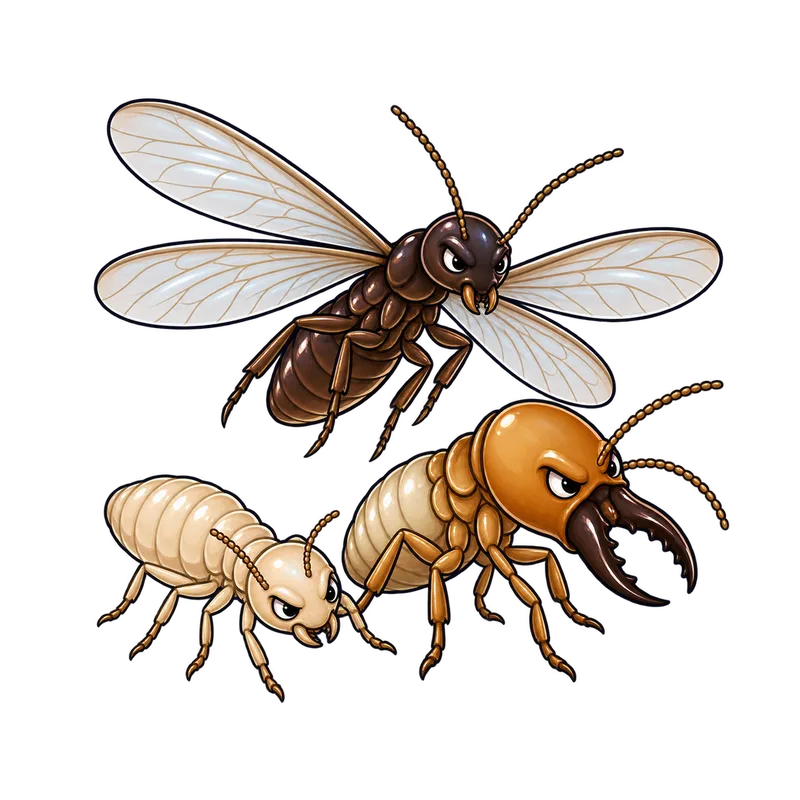
Termite primary reproductives shed their wings near windows because compound eyes drive an involuntary urge to move toward light. When the insects reach the transparent glass barrier, they flutter until exhausted, land on the sill, and snap their wings off to become wingless home hunters ready to start new families.
What is actually going on
Picture walking into your sunroom on a bright spring morning and noticing what looks like a dusting of translucent fish scales scattered across the windowsill. When you look closer, you realize they are thousands of tiny, detached wings. You might wonder how on earth a pile of insect parts ended up neatly lined up against the glass.
Termite primary reproductives, often called swarmers, shed their wings near windows because they possess compound eyes that drive an involuntary urge to move toward light. When a mature colony decides to send out its winged members to start new families, those insects head straight for daylight. If the swarm originates inside a wall void or if the bugs manage to slip into the house from outside, they fly right toward the windows, treating the glass like an open highway to the sun.
Because windowpanes present a solid, transparent barrier that the insects cannot comprehend, the swarmers flutter against the glass until they tire out and drop onto the sill or frame below. Once they land, they use physical contact with the wood or flex their bodies to snap their wings off cleanly at a built-in fracture line near the body. This turns a winged flier into a wingless home-hunter ready to find a dark crevice and start a new colony.
It is easy to assume that these winged visitors are the ones chewing through your structural lumber, but that is actually a common misconception. The swarmers themselves do not eat wood because their sole evolutionary purpose is dispersal and reproduction. Once they drop their wings, the males and females pair up in tandem, scurrying along the baseboards and window frames like newlyweds looking for a place to settle down, while the hidden worker caste back in the nest handles the structural damage.
How to tell for sure
Telling a termite swarmer or its shed wings apart from other winged insects usually comes down to a few distinct physical traits. Termite alates have broad, straight waists, straight beadlike antennae, and four wings of equal length that are much longer than their bodies. If you find shed wings indoors, they usually look like tiny, uniform slivers of cellophane piled in corners or along window tracks.
A common objection is that people often confuse these insects with flying ants, which also gather at windows when looking to start new colonies. Ants usually have pinched, narrow waists, elbowed antennae, and forewings that are noticeably larger than their hindwings. Furthermore, ants do not typically drop their wings in neat, isolated piles on a windowsill the way termites do after a flight.
If you want to know what you are looking at beyond the naked eye, a ten times magnification hand lens usually helps you examine wing venation or tiny body hairs, though confirming an exact species often requires a specialist with a microscope. You usually want to check whether those wings are sitting on the inside sill or the outside ledge, because finding them exclusively inside usually points to an active infestation hidden within the building envelope, while outdoor wings might just be local bugs caught by a porch light.
What usually comes next
Finding a pile of discarded wings on an indoor windowsill calls for a practical response rather than a frantic dash to the hardware store for bug spray. Aerosols only kill the visible fliers sitting on the glass, leaving the actual colony deep inside the walls or soil completely untouched, and they can sometimes cause hidden workers to change their foraging routes.
Your best first step is to preserve a few of the intact wings or bodies in a sealed container or a small glass vial, or press them gently onto a piece of clear sticky tape so an inspector can look at them later. Take a few minutes to check the surrounding wood trim, baseboards, and window joints for small kickout holes, blistered paint, or tiny piles of hard, six sided fecal pellets that might indicate drywood termites, or thin mud shelter tubes for subterranean ones.
Once you have gathered your physical evidence and noted exactly where the wings were discovered, you have the baseline information needed to decide your next move. Avoid applying do it yourself chemical treatments without knowing the extent of the problem, and prepare to bring in someone who can properly diagnose the source of the swarm.
When to get help
Termites do not sting, bite humans defensively, or transmit infectious diseases, so finding them does not constitute a medical emergency. However, because structural damage can compound over time, you should involve a licensed pest management professional to conduct a thorough inspection of the property as soon as you confirm an indoor emergence.
A professional can determine whether the swarm came from an established colony within the framing or if it was an outdoor ingress event blown in by the wind. Decisions regarding structural treatments, such as applying specific soil barriers or undertaking tent fumigation, belong exclusively to licensed applicators who follow exact product label guidelines and local building regulations.
If you or anyone in your household experiences unexplained skin irritation, respiratory issues, or symptoms related to pesticide exposure during clean up efforts, seek advice immediately from a licensed clinician, an urgent care facility, or poison control. For those in regions with regulated timber pest reporting standards, a formal inspection report provides the reliable assessment needed to protect the structural integrity of your home.