
How should termite treatment options be compared by species?
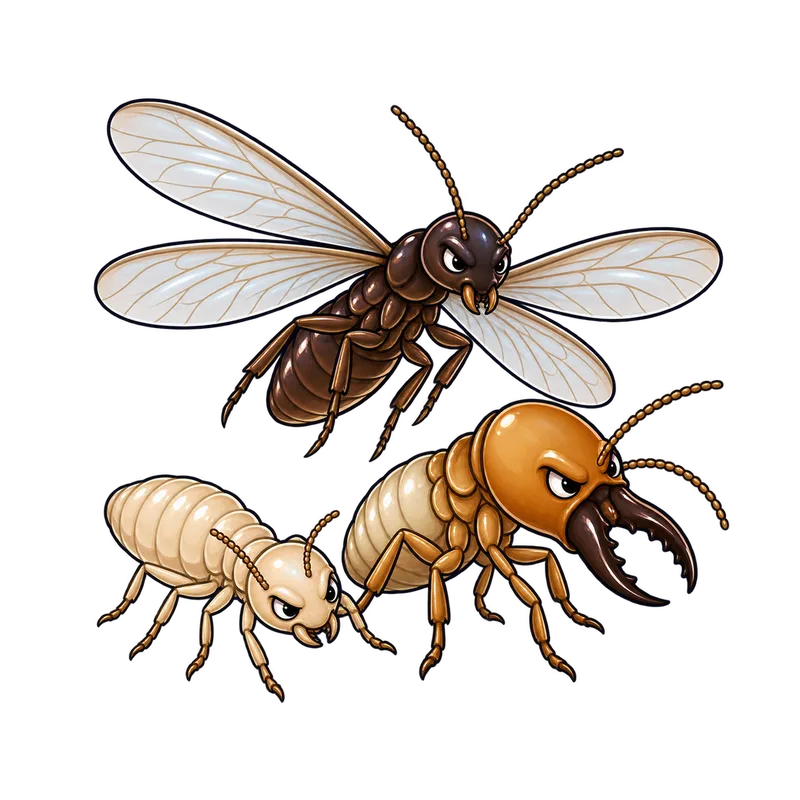
Termite treatment options must be compared based on the specific pest species and its nesting biology. A soil barrier meant for subterranean termites will not work against drywood termites living in attic rafters, because each group requires an entirely different strategy matched to where they live.
What is actually going on
Picture walking into the sunlit guest bedroom on a Saturday morning and noticing a tiny pile of what looks like coarse pepper scattered on the windowsill. Naturally, you brush it away, assume it is just grit blown in through the screen, and forget about it. Two days later, the pile is back, and looking closer, you see it is actually a heap of identical little wooden footballs with six flat sides. You start wondering what kind of pest you are dealing with and how to pick the right fix without wasting money on a treatment that treats the wrong bug entirely.
The short answer is that termite treatment options cannot be compared in a vacuum because different species live in completely different worlds. A liquid chemical barrier meant to stop subterranean termites crawling up from the dirt will do zero good against drywood termites living in your attic roof rafters, and dumping poison on dry timber will not touch a subterranean colony anchored two feet beneath your concrete patio slab. Identifying the exact pest species and its nesting biology comes first, because matching the remedy to the insect is the only way to get a permanent result.
To make sense of the choices, pest control professionals divide termites into three main groups based on where they live and how they get their moisture. Subterranean termites nest in the ground and need constant soil contact, drywood termites live entirely inside dry structural wood without touching the earth at all, and dampwood termites target water-logged or decaying timbers. Each group demands an entirely different strategy, and confusing them usually leads to an expensive mistake.
How to tell for sure
Figuring out which termite group you are dealing with usually comes down to looking at the debris they leave behind and where the damage sits in the house. Subterranean termites build mud shelter tubes out of soil and saliva to cross concrete or brick foundations, protecting their soft bodies from drying out in the open air. If you break open one of those pencil-thick mud tracks on a basement wall, you will usually see pale, wingless workers and soldiers moving around inside.
Drywood termites take a different approach because they do not need soil contact. They nest inside sound, dry wood and kick their waste out through tiny circular holes known as kickout holes. Those tiny pellets are the definitive giveaway. Under magnification, drywood fecal pellets are hard, elongated, and have six distinct concave sides with rounded ends, looking something like miniature poppy seeds or coarse ground pepper. If you sweep them up and fresh piles appear a week later, you have an active drywood infestation.
Dampwood termites usually show up in entirely different spots, typically in crawl spaces, near leaking plumbing, or around rotting deck posts where wood stays persistently wet. They are much larger than other termites, but they leave behind galleries packed with damp, mastic-like frass rather than dry, six-sided pellets.
You also want to rule out impostors before calling for quotes. Winged ants are frequently mistaken for swarming termites, but ants have elbowed antennae, narrow wasp waists, and front wings that are longer than their back wings. Termites have straight, bead-like antennae, thick waists without any pinch in the middle, and four wings of equal length. Wood-boring beetles also get confused with termites, but true powderpost beetles leave behind very fine, flour-like talcum powder, unlike the hard pellets of drywood termites.
What usually comes next
Once you have a reliable identification, the practical decision boils down to choosing the control method designed for that specific nesting habit. For subterranean species, you generally choose between soil-applied liquid termiticides and in-ground baiting systems. Liquid treatments can be repellent, acting like a chemical wall that termites avoid, or non-repellent, which allows foraging workers to walk through the treated soil unnoticed, pick up the active ingredient on their bodies, and share it back at the nest through grooming and food sharing.
Bait stations rely on a different logic, using slow-acting insect growth regulators that disrupt molting over several weeks or months, eventually wiping out the entire underground colony without soaking your foundation in liquid chemicals.
When dealing with drywood termites that live entirely inside dry framing members, soil treatments and bait stations are useless because they never touch the earth. Widespread drywood infestations usually require whole-structure gas fumigation, where a professional tenting crew seals the house and introduces a gas that penetrates every piece of timber to reach hidden galleries. For localized drywood spots, a technician might use direct gallery injection, thermal eradication, or local borate applications.
Dampwood termites require a completely different operational sequence focused on home maintenance rather than heavy chemicals. Fixing leaky roof plumbing, diverting air conditioner condensation away from the foundation, and replacing rotted timber usually resolves the issue because dampwood termites cannot survive once you take away their moisture source.
When to get help
Applying soil termiticides, drilling through concrete slabs, operating high-pressure injection equipment, or handling restricted-use gas fumigants involves severe occupational risks and should be left strictly to licensed pest control professionals. A homeowner can safely handle visual inspections, clear away debris from foundation walls, and monitor pellet piles, but heavy chemical applications require professional training and protective gear.
You also need professional help immediately if you spot signs of advanced structural compromise, such as sagging floor joists, springy floorboards, bulging drywall plaster, or hollow-sounding wall studs where galleries have eaten away the internal load-bearing wood. A licensed structural engineer or building contractor must evaluate those damaged members before any treatment begins.
Finally, if you find yourself near domestic water wells, cisterns, or shallow water tables, standard soil rodding for subterranean termites risks contaminating your drinking water, requiring specialized excavation or baiting alternatives. In certain jurisdictions, discovering specific quarantine pests triggers a strict statutory obligation to notify local agricultural or biosecurity authorities by law.